OpenAI has officially unveiled its latest and most advanced artificial intelligence model, GPT-5.5, marking a significant stride towards the company’s ambitious vision of an AI ‘super app’. This new iteration is hailed as the ‘smartest and most intuitive to use model’ yet, promising enhanced capabilities across a multitude of applications for both businesses and consumers. The release underscores OpenAI’s relentless pursuit of innovation, bringing the prospect of a unified, multi-purpose AI service closer to reality.
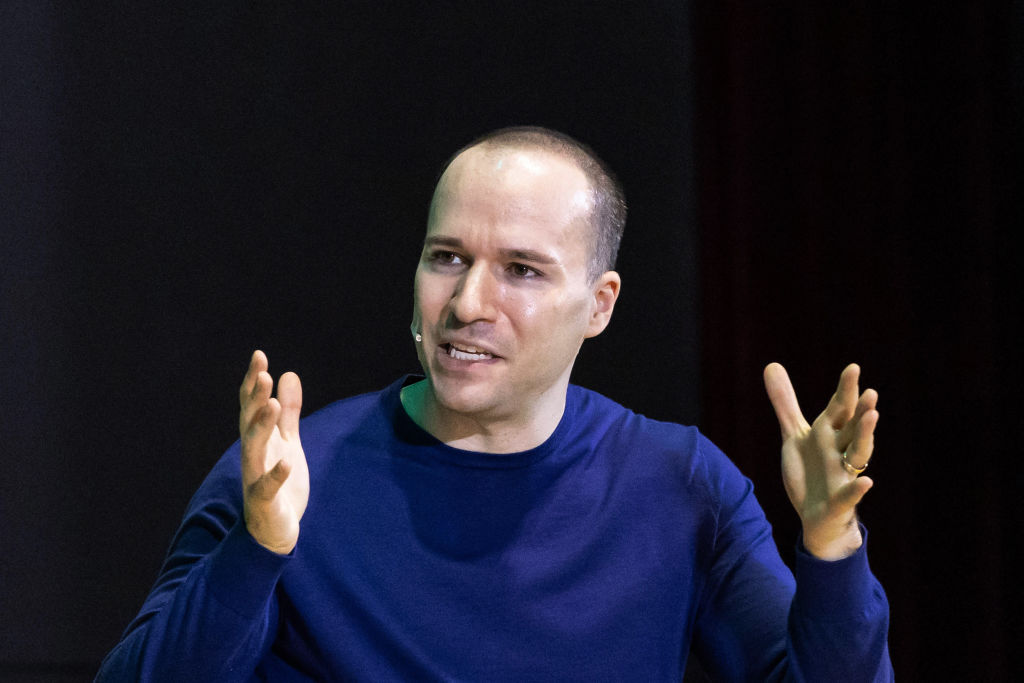
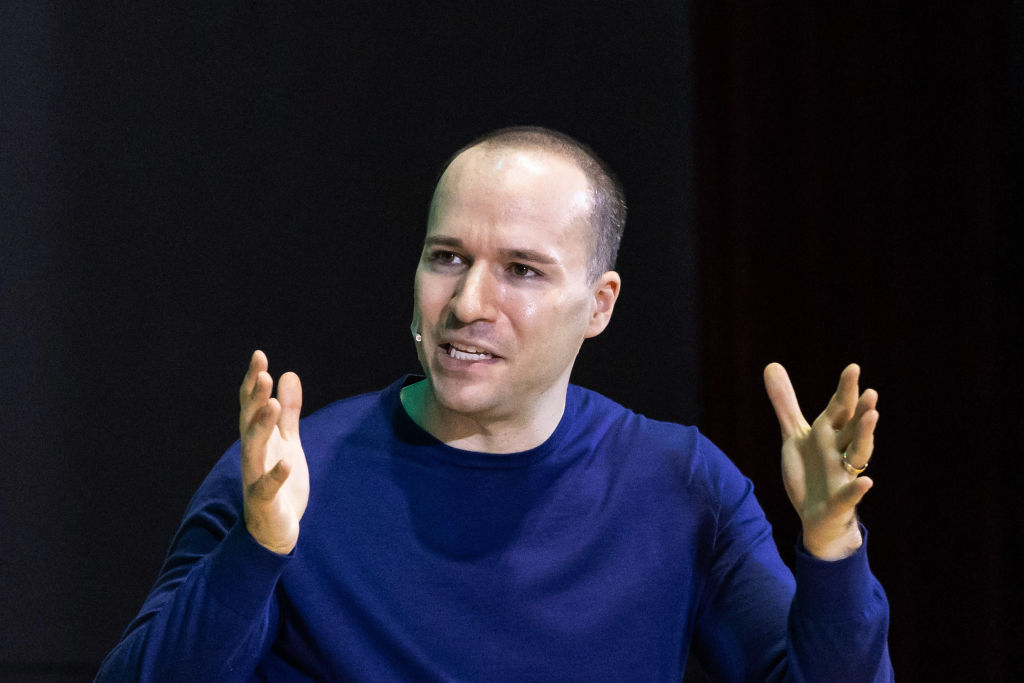
Greg Brockman, OpenAI President, discussing the future of AI. Image Credits: Jean Chung/Bloomberg / Getty Images
The Evolution of OpenAI’s Models
OpenAI’s pace of innovation has been nothing short of remarkable. The release of GPT-5.5 follows closely on the heels of its predecessor, GPT-5.4, which was introduced just last month. This rapid development cycle, with previous models also launched in quick succession in December and November, highlights the company’s commitment to continuous improvement. Jakub Pachocki, OpenAI’s chief scientist, noted the accelerated progress, stating, “We see pretty significant improvements in the short term, extremely significant improvements in the medium term… In fact, I would say, like, I think the last two years have been surprisingly slow.” This sentiment reflects the dynamic and competitive landscape of AI development, where each new model pushes the boundaries of what’s possible.
GPT-5.5: Enhanced Capabilities and Performance
GPT-5.5 is engineered to deliver superior performance across a broad spectrum of tasks. Its increased capabilities are particularly evident in foundational enterprise areas such as agentic coding and knowledge work, making it a powerful tool for complex business operations. Beyond enterprise applications, the model also shows significant promise in experimental AI fields like advanced mathematics and scientific research. OpenAI’s internal data reveals that GPT-5.5 consistently outperforms its previous models, as well as competing offerings like Google’s Gemini 3.1 Pro and Anthropic’s Claude Opus 4.5, across various benchmarks. Greg Brockman, OpenAI co-founder and president, emphasized that the new model is a “faster, sharper thinker for fewer tokens,” signifying greater efficiency and precision in its operations.
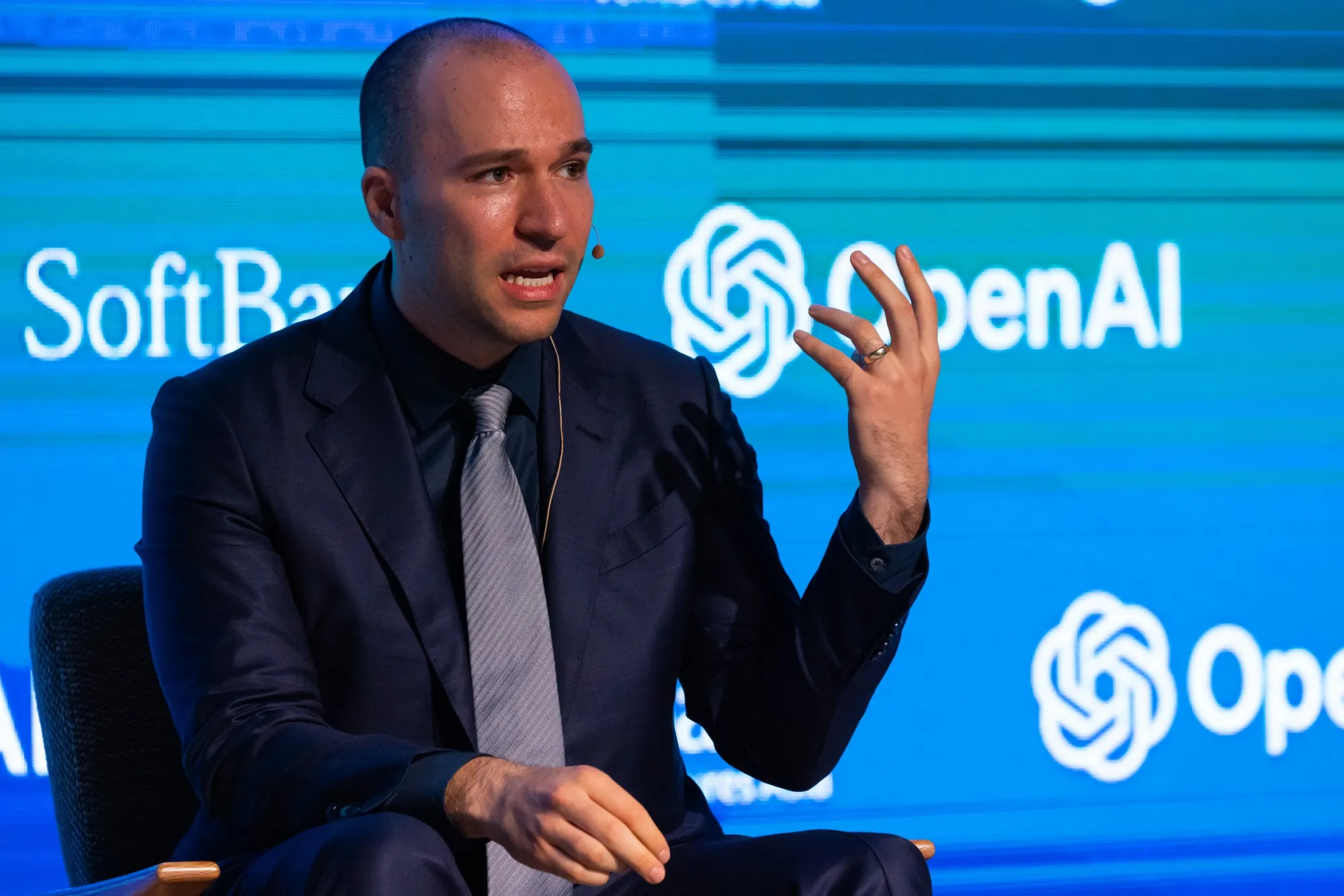
Greg Brockman presenting at an OpenAI event.
The Vision of an AI ‘Super App’
Central to OpenAI’s long-term strategy is the development of an AI ‘super app’ – a comprehensive, multi-purpose program designed to integrate various AI functionalities into a single, seamless service. Brockman and co-founder Sam Altman have frequently discussed this ambitious goal, envisioning a platform that combines the strengths of ChatGPT, Codex, and an AI browser. Such a unified service would significantly streamline workflows for enterprise customers and offer a more cohesive user experience. This concept resonates with similar aspirations from other tech leaders, including Elon Musk, who has expressed his desire to transform X (formerly Twitter) into its own version of a ‘super app’, highlighting a broader industry trend towards integrated AI ecosystems.
Addressing Cybersecurity and Safety Concerns
In the highly competitive and rapidly evolving AI landscape, discussions around cybersecurity and safety are paramount. OpenAI’s ongoing rivalry with Anthropic, another prominent AI research company, often brings these concerns to the forefront. The recent controversy surrounding Anthropic’s Mythos tool, which faced reports of unauthorized access, underscores the critical need for robust security measures in AI deployment. Mia Glaese, a member of OpenAI’s technical staff, addressed these concerns, stating that GPT-5.5 would significantly enhance the company’s approach to digital defense. She affirmed OpenAI’s “strong and longstanding strategy for our approach to cyber,” emphasizing a refined and durable method for safely rolling out models.
The distinctive OpenAI logo, symbolizing innovation in artificial intelligence.
Impact on Industry and Research
Mark Chen, OpenAI’s chief research officer, highlighted GPT-5.5’s superior ability to navigate complex computer tasks compared to its predecessors. He also noted the model’s “meaningful gains on scientific and technical research workflows,” suggesting its potential to significantly aid expert scientists in their endeavors. The model’s advanced analytical capabilities could accelerate progress in various scientific fields, including drug discovery, an area that has garnered increased industry interest in recent years. This indicates a future where AI models like GPT-5.5 become indispensable tools for groundbreaking research and development.
Availability and Future Outlook
GPT-5.5 is now widely available, according to OpenAI. The model is being rolled out to Plus, Pro, Business, and Enterprise users within ChatGPT, with GPT-5.5 Pro specifically targeting Pro, Business, and Enterprise subscribers. This broad accessibility ensures that a wide range of users can leverage the advanced capabilities of the new model. The company anticipates continued significant improvements in AI technology, promising an exciting future where AI plays an even more integral role in daily life and industry.