While the smartphone world continues its steady evolution, the broader technology landscape in March 2026 is undergoing a radical transformation. The focus has shifted from the palm of our hands to the massive data centers powering the AI revolution and the physical robots beginning to inhabit our world. From NVIDIA’s groundbreaking “Rubin” architecture to the experimental robotics showcased at MWC 2026, we are witnessing the dawn of a new era in computing and automation.
NVIDIA Rubin: The New Standard for AI Supercomputing
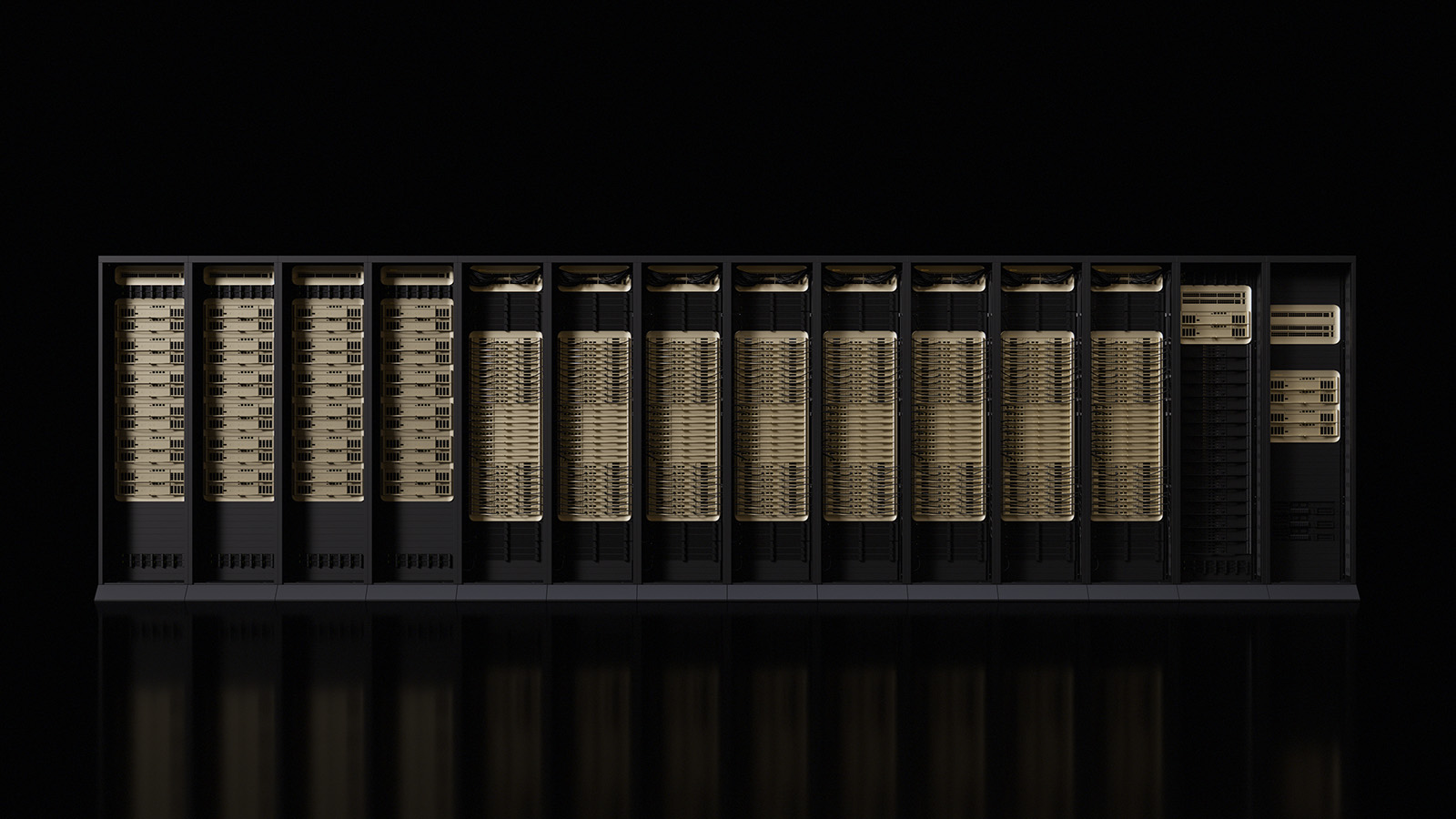
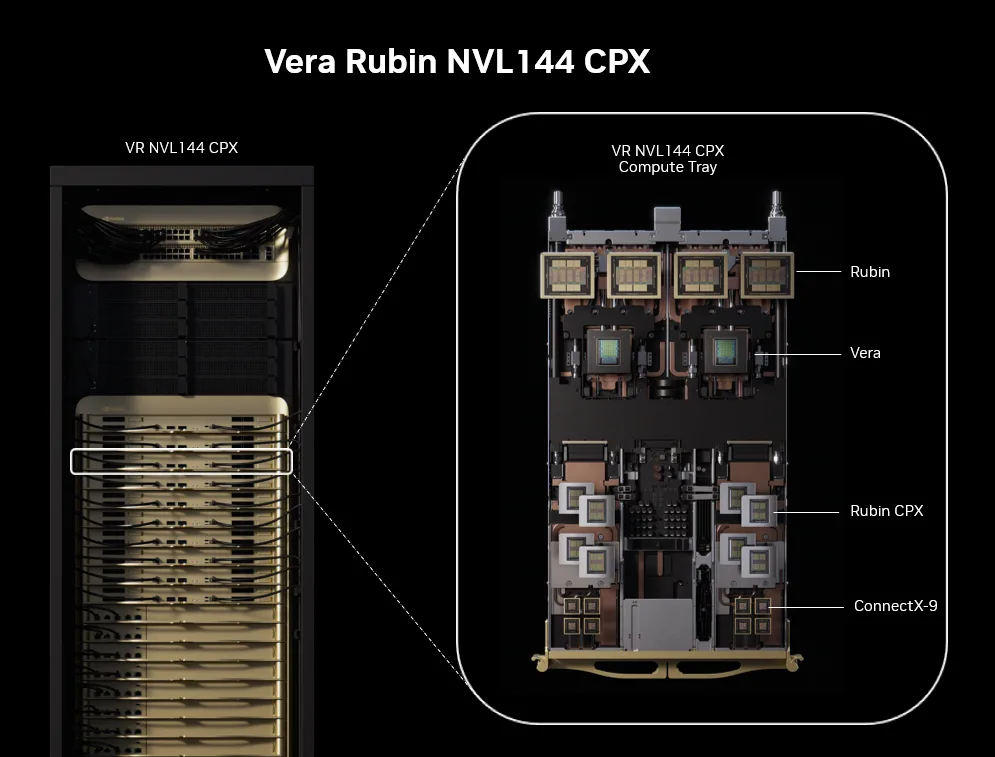
NVIDIA has officially unveiled its next-generation AI platform, Rubin, named after the legendary astronomer Vera Rubin. This isn’t just a new chip; it’s a complete architectural overhaul designed to accelerate “agentic AI”—AI that can reason, plan, and act autonomously. The Rubin platform introduces six new chips, including the Vera CPU and the Rubin GPU, which together deliver a staggering 10x reduction in inference costs compared to the previous Blackwell generation.
Key innovations include the sixth-generation NVLink, which provides 3.6TB/s of GPU-to-GPU bandwidth, and the Vera CPU’s 88 custom Olympus cores. These advancements are specifically engineered to handle massive-scale Mixture-of-Experts (MoE) models, which are becoming the backbone of advanced reasoning AI. As NVIDIA CEO Jensen Huang noted, this platform is designed to scale intelligence at the lowest possible cost, making sophisticated AI more accessible to mainstream industries. For more technical details, visit the official NVIDIA press release.
MWC 2026: Beyond the Smartphone
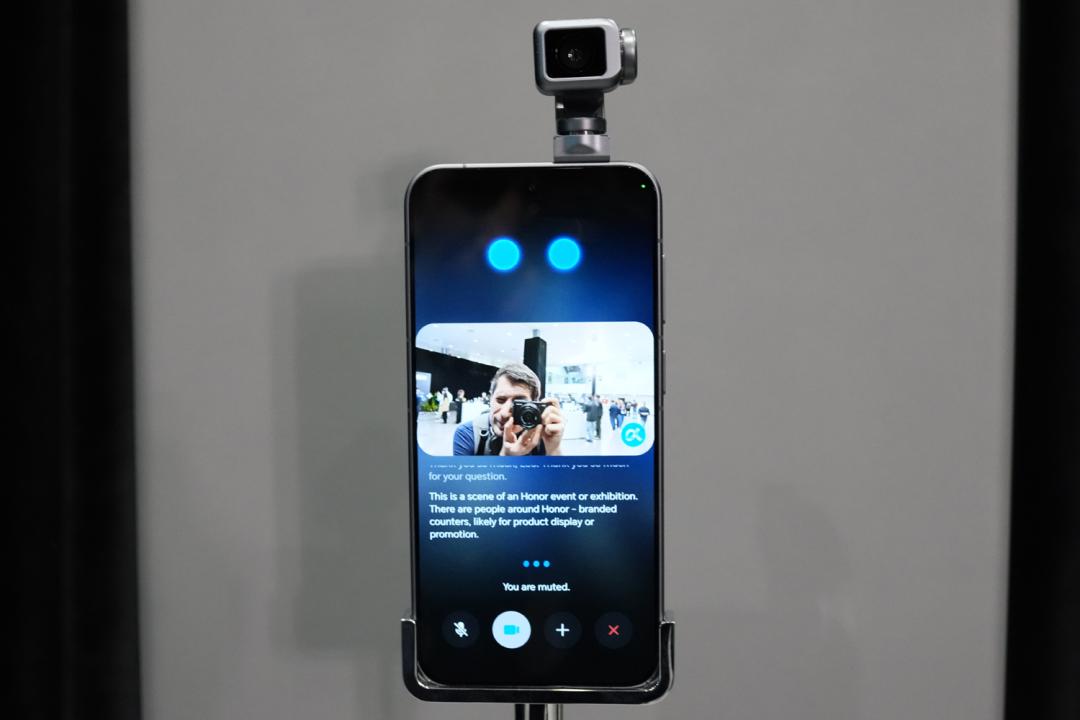
At the Mobile World Congress in Barcelona, the conversation has moved far beyond mobile phones. This year, the spotlight was stolen by robotics and concept mobility. Honor, for instance, showcased its Robot Phone—a device equipped with a robotic arm and gimbal that can track users and interact with its environment. While its practical utility is still being debated, it represents a bold step toward making our devices more physically interactive.
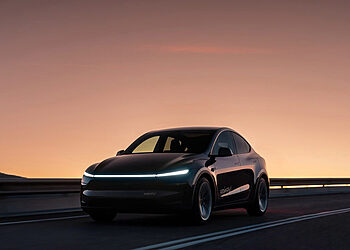
Xiaomi also surprised the crowd with the Vision Gran Turismo, a concept hypercar that looks more like a spaceship than a traditional vehicle. Meanwhile, Lenovo continued its tradition of playing with form factors, presenting modular AI laptops and glasses-free 3D displays. These concepts highlight a future where our technology is not just smarter, but more adaptable and physically present in our daily lives. According to Mashable, MWC 2026 has been a “wild” showcase of AI-integrated hardware.
Tech Breakthroughs: March 2026 Comparison
| Innovation | Category | Key Feature | Market Impact |
|---|---|---|---|
| NVIDIA Rubin | AI Infrastructure | 10x Lower Inference Cost | Enables autonomous agentic AI at scale |
| Honor Robot Phone | Personal Robotics | Integrated Robotic Gimbal | Explores physical interaction in mobile tech |
| Xiaomi Vision GT | Concept Mobility | Hypercar Design Program | Showcases future automotive AI and aerodynamics |
| Lenovo Modular AI PC | Computing | Swappable Hardware Modules | Extends device lifespan and customization |
Conclusion: The Future is Agentic and Autonomous
The announcements this month signal a clear trend: the next phase of the digital age will be defined by autonomy. Whether it’s AI models that can reason like humans or robots that can move and interact in our physical space, the boundaries between the digital and physical worlds are blurring. As we move further into 2026, the focus will continue to shift toward how these technologies can be integrated into our lives in meaningful, efficient, and cost-effective ways.