


The first quarter of 2026 has been a whirlwind of innovation, regulatory discussions, and groundbreaking product announcements in the technology sector. From the continued dominance of artificial intelligence to the evolution of smartphone design, the tech landscape is rapidly reshaping our digital future. This report delves into the most significant developments, highlighting key players and their contributions to the ongoing technological revolution.
AI Dominance and Innovation: The Factory of the Future
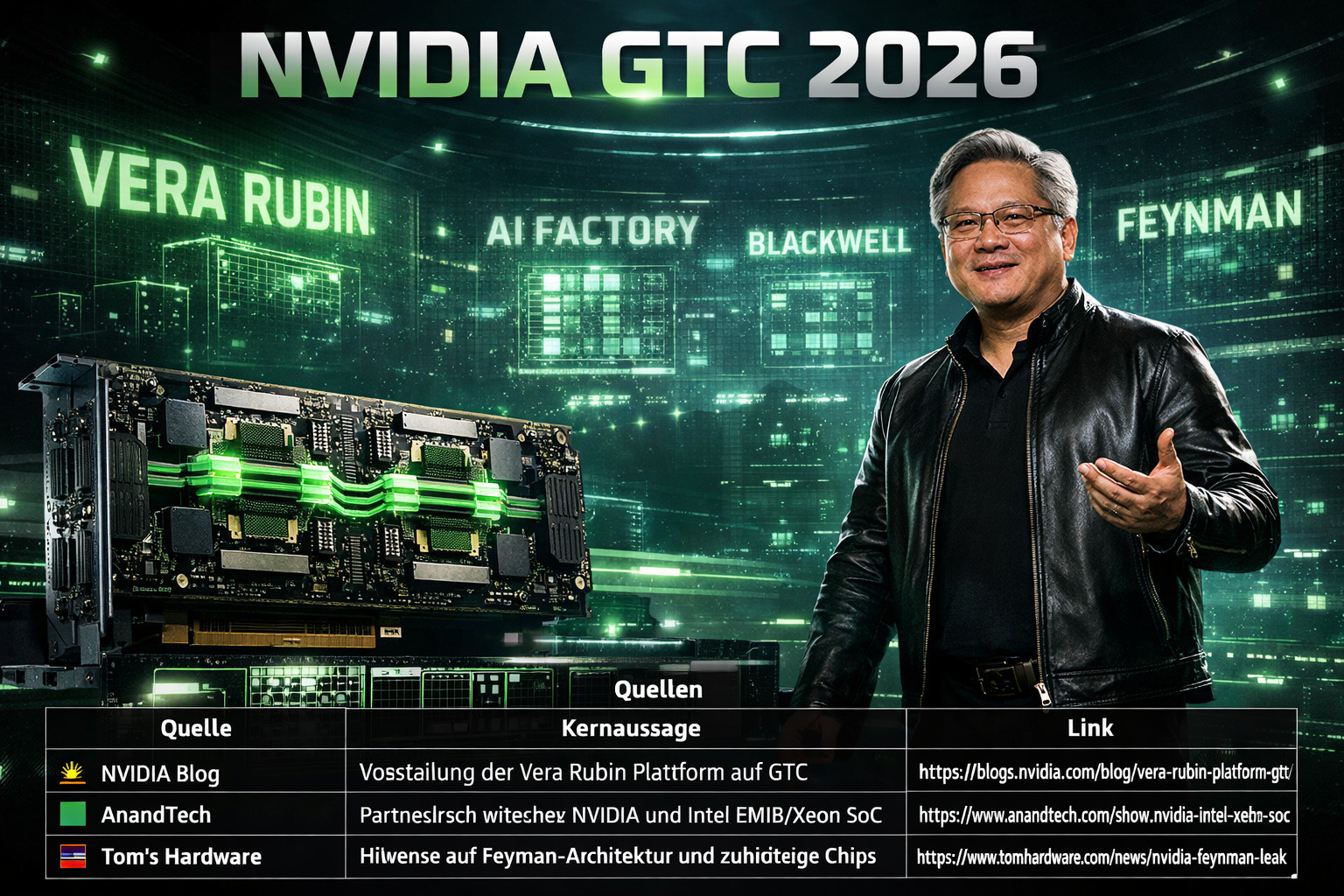
Artificial Intelligence remains at the forefront of technological advancement, with major players pushing the boundaries of what’s possible. Nvidia, under the leadership of CEO Jensen Huang, is aggressively pursuing the concept of an “AI factory stack,” aiming to provide comprehensive solutions for AI development and deployment. This integrated approach, encompassing hardware, software, and services, positions Nvidia as a pivotal force in the AI ecosystem.
Meanwhile, OpenAI continues to expand its influence beyond large language models. The planned acquisition of Astral, a startup specializing in Python tools for developers, signifies OpenAI’s strategic move to deepen its coding capabilities and integrate AI more seamlessly into developer workflows. This initiative, bolstering the Codex effort, aims to make AI development more accessible and efficient for a broader range of applications.
Microsoft is also making significant strides with the introduction of MAI-Image-2, enhancing its generative AI capabilities within Copilot and Bing Image Creator. These advancements underscore the industry’s commitment to making sophisticated AI tools available to a wider audience, fostering creativity and productivity.

Smartphone Evolution: The Rise of AI and Robotics
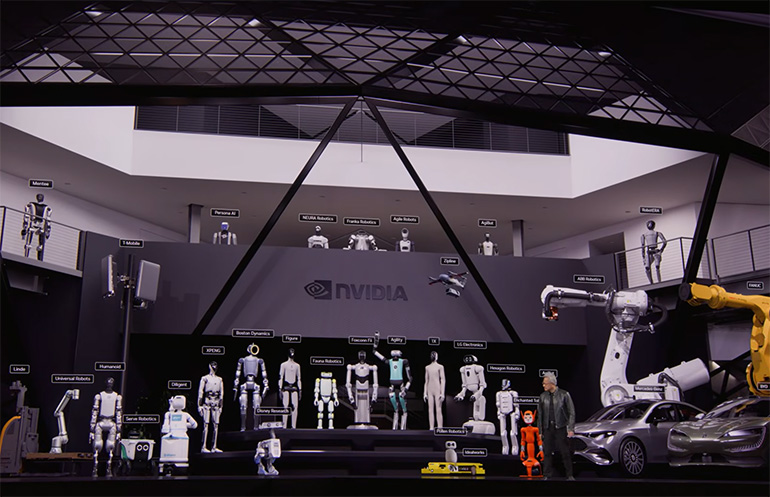
The Mobile World Congress (MWC) 2026 showcased a fascinating array of smartphone innovations, with a particular emphasis on integrating AI and robotics into mobile devices. Honor captured significant attention with its “Robot Phone,” a device that hints at a future where smartphones are not just communication tools but intelligent, interactive companions. While specific details are still emerging, the concept points towards advanced AI capabilities and potentially robotic elements that enhance user interaction and functionality.
Other notable announcements from MWC 2026 included Xiaomi’s Leitzphone, Honor Magic V6, Motorola Razr Fold, ZTE Nubia Neo 5 GT, and the Tecno Modular Phone, each bringing unique features and design philosophies to the competitive smartphone market. These devices collectively demonstrate a trend towards more specialized, powerful, and AI-driven mobile experiences.
Apple is also rumored to be preparing for the launch of its iPhone 17e, which is expected to introduce further advancements in mobile processing power, camera technology, and potentially new AI-driven features that will continue to set industry benchmarks.

The Regulatory Landscape and Cybersecurity Challenges
As technology progresses, so does the need for robust regulation and cybersecurity measures. The White House is actively working on a federal AI framework, aiming to address critical issues such as child safety, community impact, and censorship. This framework seeks to provide a national approach to AI governance, potentially overriding state-level laws and shaping how AI startups operate and how Big Tech deploys new products.
Cybersecurity remains a pressing concern, with recent reports highlighting significant threats. U.S. authorities successfully disrupted botnets that had infected millions of devices worldwide, underscoring the constant battle against cybercrime. Additionally, vulnerabilities in platforms like Microsoft Intune and SharePoint continue to be exploited, emphasizing the critical need for continuous vigilance and robust security protocols across all digital infrastructures.
Conclusion
The technology sector in early 2026 is characterized by rapid innovation, particularly in AI and mobile technology. While these advancements promise a more connected and intelligent future, they also bring challenges related to regulation and cybersecurity. The ongoing efforts to balance innovation with responsible development will be crucial in shaping the trajectory of technology for years to come.