





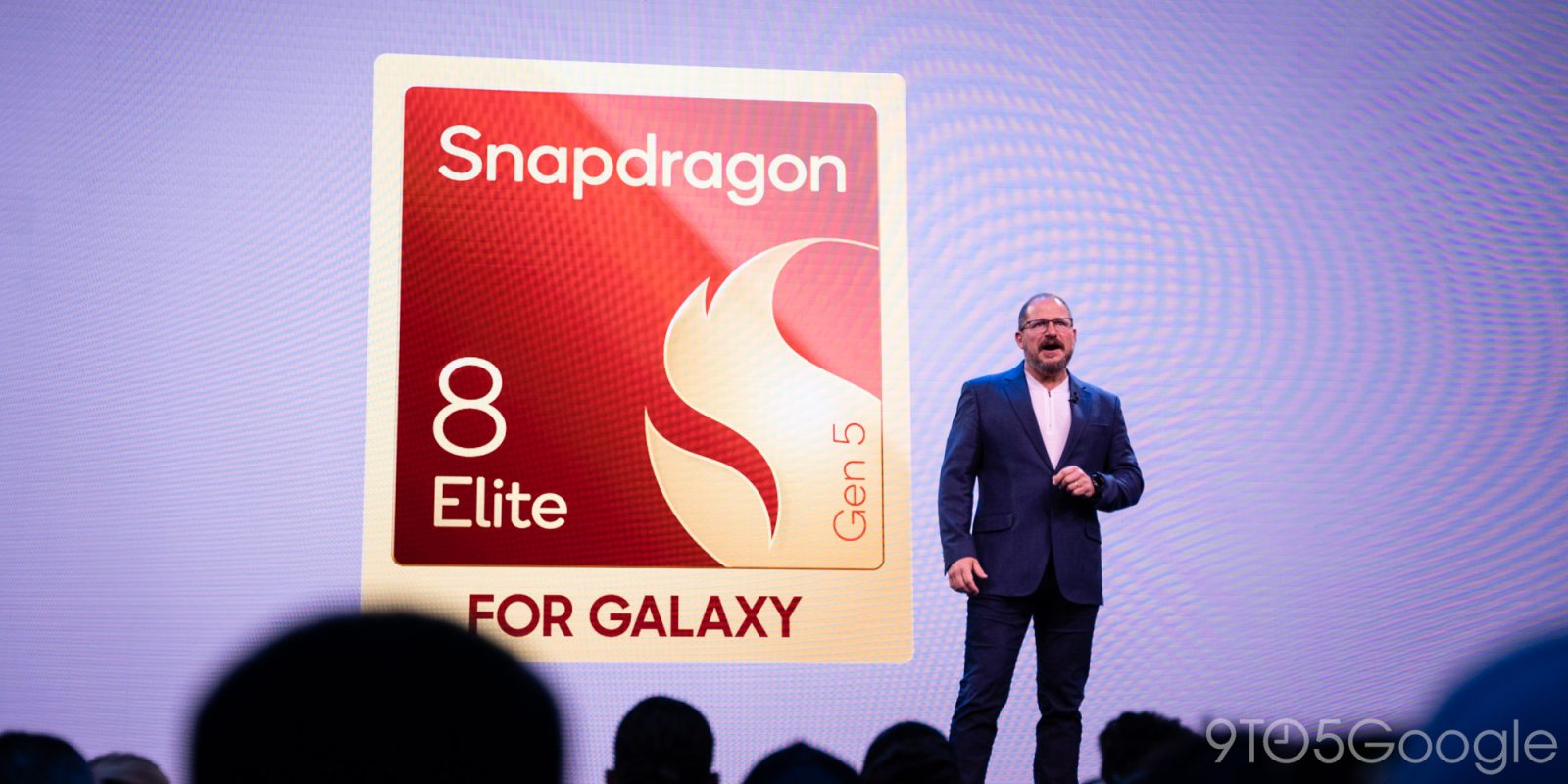
A reported Snapdragon price hike could make premium Android phones more expensive in the coming months. According to 9to5Google, citing Bloomberg, Qualcomm has told customers that Snapdragon chip prices will rise for chips shipped after September 1, with increases potentially reaching double-digit percentages.
The move matters because Snapdragon processors sit at the center of many Android flagships. A phone maker can change storage, memory, charging speeds, camera sensors or materials to control costs, but the main chipset is harder to replace without redesigning the product or accepting a different performance tier.
Why Snapdragon chips are becoming more expensive
The report says Qualcomm has exhausted its ability to absorb higher supplier costs. The exact component pressure behind the increase has not been fully detailed, but the broader electronics industry is already dealing with higher prices for memory and constrained semiconductor supply.
One major force is the AI infrastructure boom. Data centers require enormous volumes of chips, memory, networking hardware and related components. That demand can strain supplier capacity and raise costs across the wider electronics market, even for devices that are not sold as AI servers.
Qualcomm has reportedly looked for alternative component sources. Even so, the company now appears ready to pass more of the pressure to device manufacturers. If the increase is only ten percent, it is still significant in a market where flagship phones already face tight margins and high bill-of-material costs.
Android phone makers have limited options
Manufacturers can respond in several ways. They can raise retail prices, reduce margins, shift some models to cheaper chips, cut costs in other hardware areas or create more visible gaps between standard and premium versions. None of those choices is painless.
Premium Android phones depend heavily on flagship Snapdragon branding. Customers expect top performance, strong gaming results, efficient image processing and long-term software support. Moving a high-end model to a lower-tier chip can change how the product is perceived, especially when rival devices keep the latest silicon.
Some brands may reserve the most expensive Snapdragon platform for Ultra models while using slightly cheaper chips in standard flagships. Others may increase prices quietly by reducing launch discounts, lowering trade-in values or charging more for higher storage configurations.
The price pressure is bigger than Qualcomm
The Snapdragon report arrived alongside other consumer-tech price increases. 9to5Google also pointed to Google confirming Pixel 11 price increases, Roku raising streaming hardware prices and an Android Auto adapter receiving a smaller increase. The pattern suggests a wider cost reset rather than a single company decision.
Memory prices are especially important for smartphones. Modern Android flagships increasingly ship with more RAM to support multitasking, on-device AI features, camera processing and longer update windows. If memory and processors both become more expensive, phone makers have fewer places to hide the added cost.
What buyers should watch next
The first clear signs may appear in late-2026 and early-2027 flagship launches. Buyers should compare launch prices, storage tiers, preorder bonuses and trade-in values rather than looking only at headline specifications. A phone may keep the same starting price while offering weaker incentives or a less generous base configuration.
The reported increase also makes midrange devices more important. If flagship prices climb again, phones using upper-midrange chips could become more attractive for users who want strong battery life and acceptable performance without paying for the newest Snapdragon platform.
For Android fans, the concern is clear: the AI hardware race is not staying inside data centers. It is beginning to influence the cost of everyday consumer devices.
Source: 9to5Google