


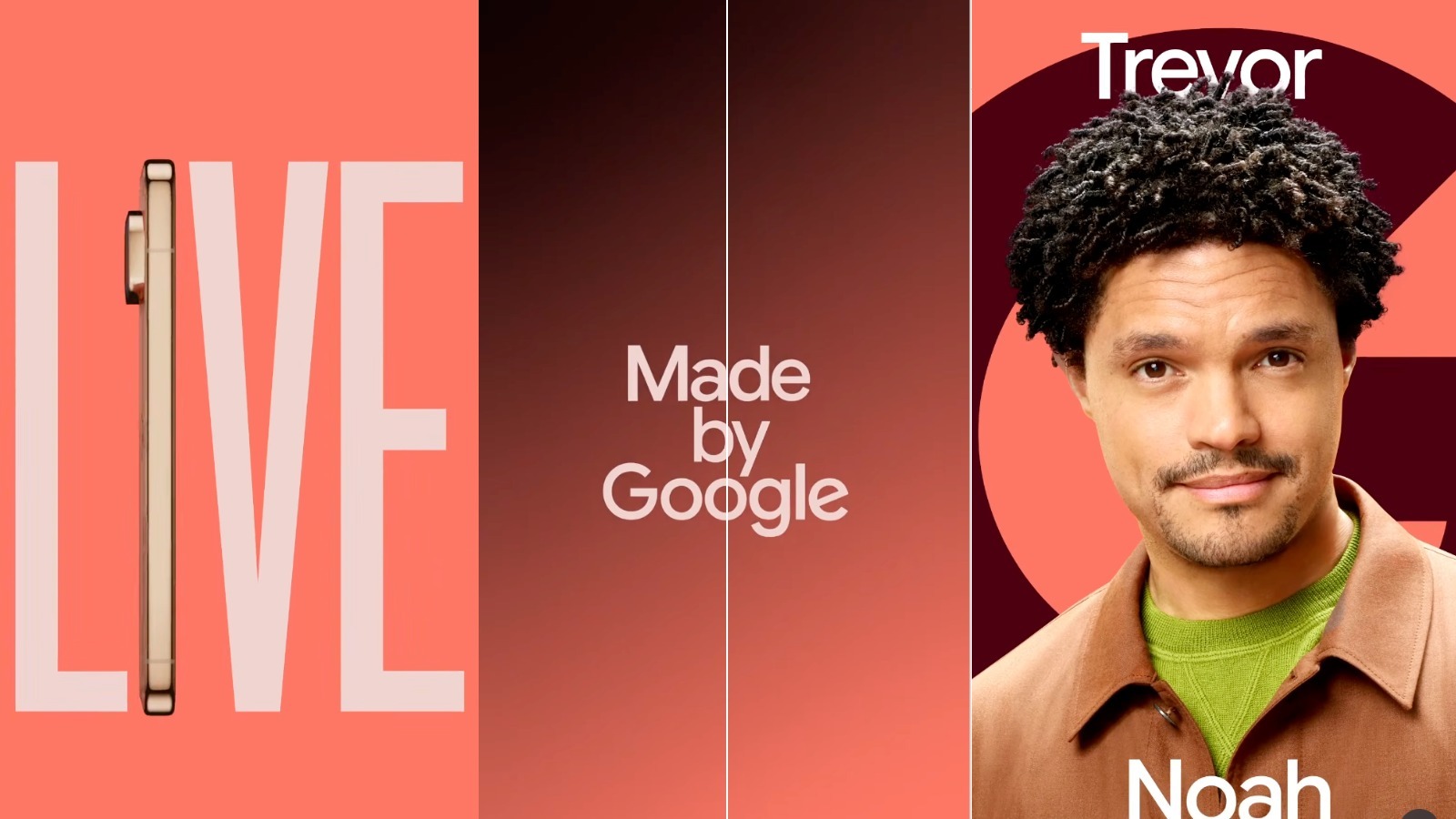
Google Pixel 11 launch day has arrived, giving Google its biggest hardware moment of the year. The company used its August 12 event cycle to put the Pixel 11 family, Pixel 11 Pro models, Pixel 11 Pro Fold, and Pixel Watch 5 in front of buyers, with AI once again sitting at the center of the pitch.
The timing matters because Google is no longer treating Pixel as a small Android showcase. Pixel is now the public face of Google’s consumer AI strategy, the place where Gemini, camera intelligence, health features, and Android automation are meant to feel like finished products rather than demos.
Pixel 11 is now Google’s AI phone test
The Google Pixel 11 launch is expected to be judged less by raw specifications and more by how useful Google’s AI features feel in everyday use. The company has spent the past several years pushing Pixel phones as the best place to try Android’s newest intelligence features, from call tools and photo editing to Gemini-powered assistance.
That strategy gives Google a clear advantage over many Android rivals. It controls the operating system, the AI models, key cloud services, and the phone experience. If those pieces work together smoothly, Pixel can feel more coherent than a phone that simply adds AI branding on top of standard Android.
The risk is that users are becoming more skeptical of AI promises. Buyers want battery life, camera quality, performance, long software support, and a fair price. AI can help sell the phone only if it removes real friction. Google needs Pixel 11 to show that Gemini and on-device intelligence can make a daily phone better, not just more complicated.
Pixel 11 Pro Fold raises the premium stakes
The foldable is the most strategically important part of the lineup. Foldables remain expensive and relatively niche, but they are where phone makers prove engineering ambition. A stronger Pixel 11 Pro Fold gives Google a direct answer to Samsung’s Galaxy Z Fold series and a way to keep Pixel visible in the ultra-premium tier.
Foldables also create a better stage for AI. Larger screens make multitasking, live translation, document work, image editing, and Gemini side-by-side interactions more useful. If Google can make those features feel natural on the Fold, the device becomes more than a luxury screen experiment.
Price will be the harder question. Foldables still ask customers to pay more while accepting tradeoffs in durability, thickness, battery size, and repair cost. Google has to prove that the foldable Pixel experience is strong enough to justify the premium.
Pixel Watch 5 expands Google’s ecosystem play
The Pixel Watch 5 gives the launch a broader ecosystem story. Google has been trying to turn Pixel into a family of devices instead of a single phone brand. A watch matters because health, fitness, notifications, payments, and voice controls all create daily lock-in that a phone alone cannot provide.
Engadget’s launch coverage highlighted interest around Google’s health and workout claims, including watch features connected to Gemini and fitness tracking. That is important because wearables are judged by trust. Step counts, GPS, battery estimates, heart-rate tracking, and workout guidance must work consistently before users rely on more advanced intelligence.
If Pixel Watch 5 improves health tracking while making Gemini more useful on the wrist, Google can strengthen the value of buying into the full Pixel ecosystem. If it falls short, many Android users may continue pairing their phones with Samsung, Garmin, or other wearable brands.
Why the launch matters beyond Pixel fans
The Google Pixel 11 launch also matters for the wider Android market. Pixel phones often preview where Android is going next. Features that start on Pixel can later appear across other phones, either through Android updates, Google apps, or pressure on manufacturers to match Google’s approach.
That makes today’s launch a signal for 2026’s second half. If Google emphasizes better AI automation, stronger camera tools, improved foldable software, and tighter watch integration, other Android makers will follow quickly. Samsung, OnePlus, Xiaomi, Honor, and Motorola will all watch how customers respond.
For buyers, the practical advice is simple: wait for full reviews before upgrading. Launch events show ambition, but battery life, thermal performance, camera reliability, modem quality, and software bugs only become clear after real use. Pixel phones have had brilliant features and uneven launches before, so careful testing still matters.
Still, Google’s direction is clear. Pixel 11 is not just another Android phone cycle. It is Google’s attempt to make AI, hardware, and services feel like one product. That is why this launch deserves close attention, even from users who may not plan to buy a Pixel this year.
Sources: Engadget, 9to5Google