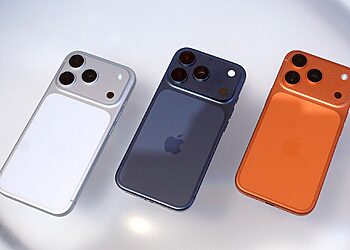





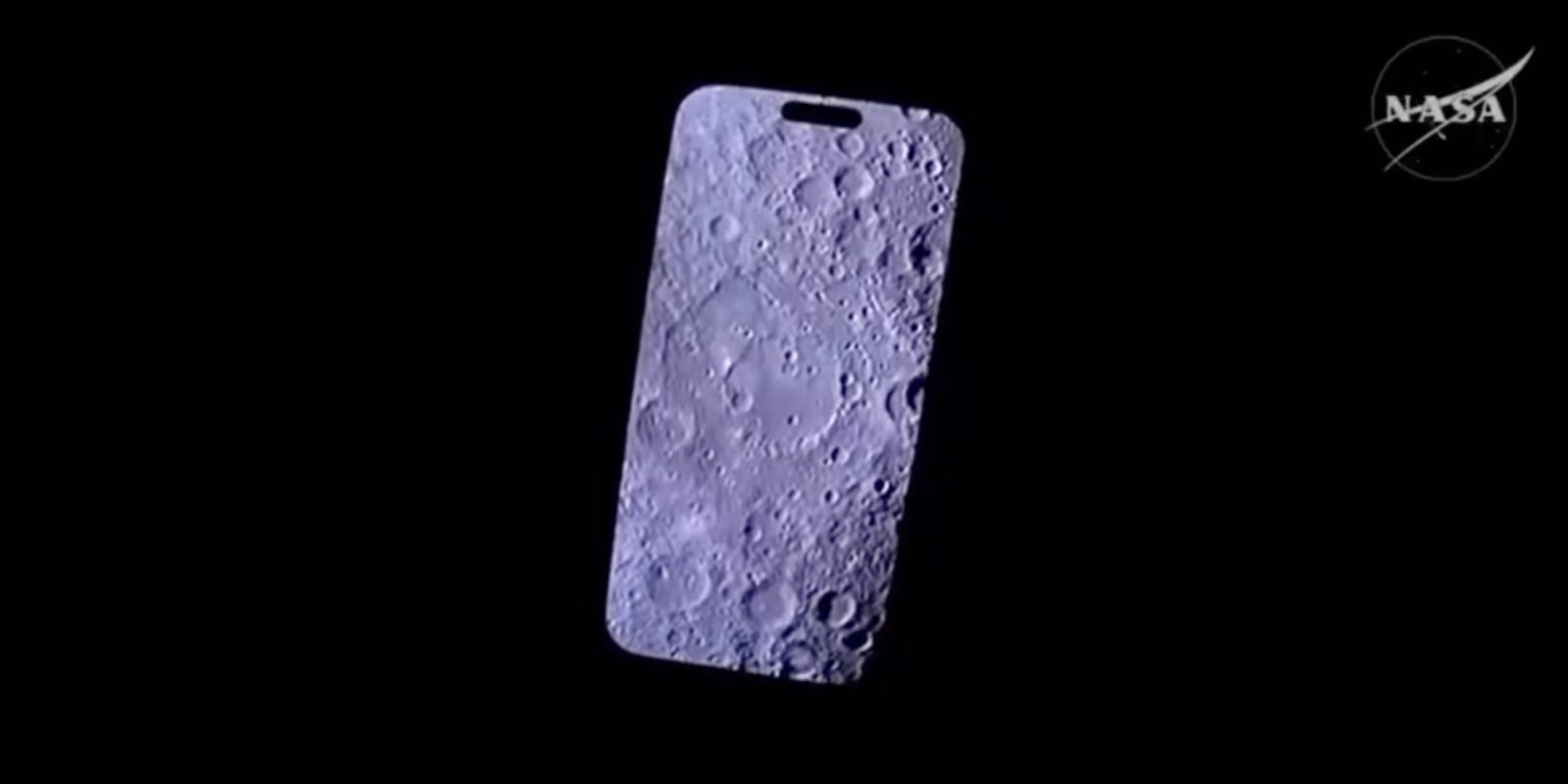
NASA’s Artemis II mission has delivered another striking reminder of how far smartphone cameras have come. During the spacecraft’s historic lunar flyby, Commander Reid Wiseman showed off an impressive image of the Moon’s surface taken with an iPhone 17 Pro Max from inside the Orion capsule.
A Moon photo taken on an iPhone

According to 9to5Mac, Wiseman captured the image during Artemis II’s final approach before the flyby that will send the spacecraft back toward Earth. On the livestream, NASA officials explained that the crew had turned off cabin lights to improve visibility for photography through Orion’s windows.
Wiseman later confirmed that he took the image using his iPhone 17 Pro Max at 8x zoom. Mission Control said the shot showed the Chebyshev crater, offering a dramatic glimpse of the lunar terrain from a crewed mission in deep space.
NASA’s first iPhone mission

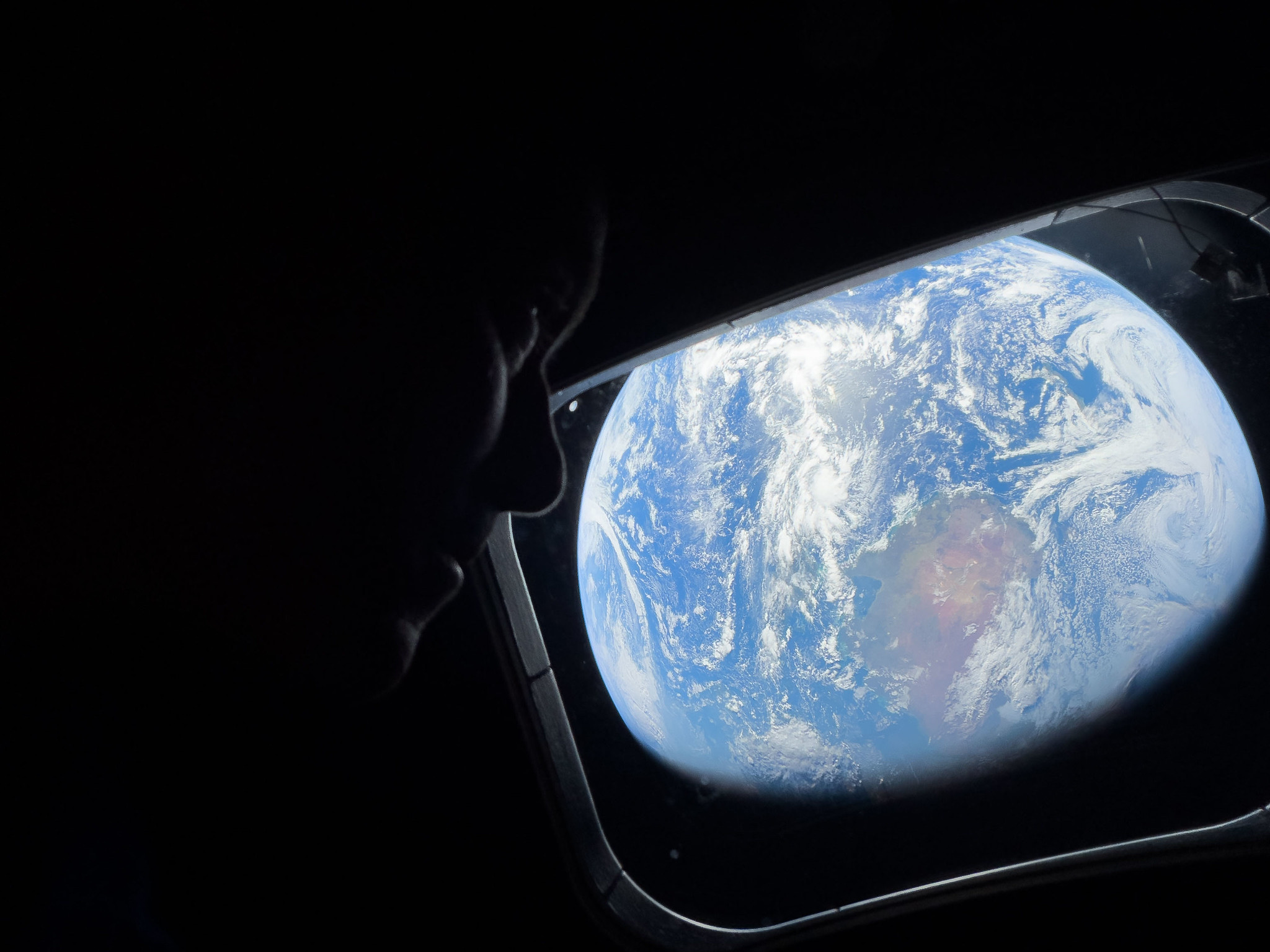
The Artemis II crew has been documenting the mission with multiple cameras, including iPhone 17 Pro Max units, a GoPro HERO 4 Black, a Nikon D5, and a Nikon Z9. NASA recently approved the use of the latest iPhones for extended spaceflight photography, making this the first mission in which astronauts have flown with current-generation smartphones for personal imaging.
That detail makes Wiseman’s photo especially notable. While professional cameras remain onboard for mission documentation, the iPhone image highlights how capable mobile imaging systems have become, even in one of the most demanding environments imaginable.
Why this matters


The image is more than just a viral moment for Apple or NASA. It captures the growing overlap between consumer technology and space exploration, where devices designed for everyday use are now proving capable of producing meaningful results far beyond Earth.
As Artemis II continues its journey, NASA is expected to upload more high-resolution images from the mission to its Flickr account. If Wiseman’s moon shot is released in full resolution, it may become one of the most widely shared smartphone photos ever taken in space.
Source: 9to5Mac