




The smartphone landscape is constantly evolving, with tech giants Samsung and Apple consistently pushing the boundaries of innovation. In March 2026, the release of the Samsung Galaxy S26 Ultra and the Apple iPhone 17 Pro Max has once again ignited the fierce rivalry between these two titans. Both devices promise cutting-edge technology, superior performance, and enhanced user experiences. This in-depth comparison delves into their features, performance, and overall value to help you decide which flagship reigns supreme.
Design and Display: A Battle of Aesthetics and Visual Brilliance
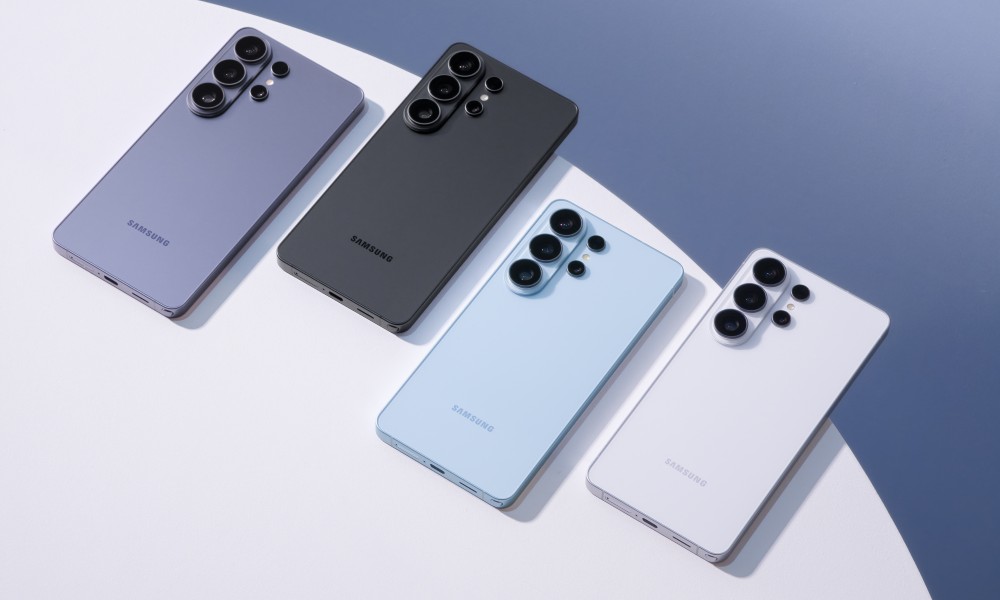
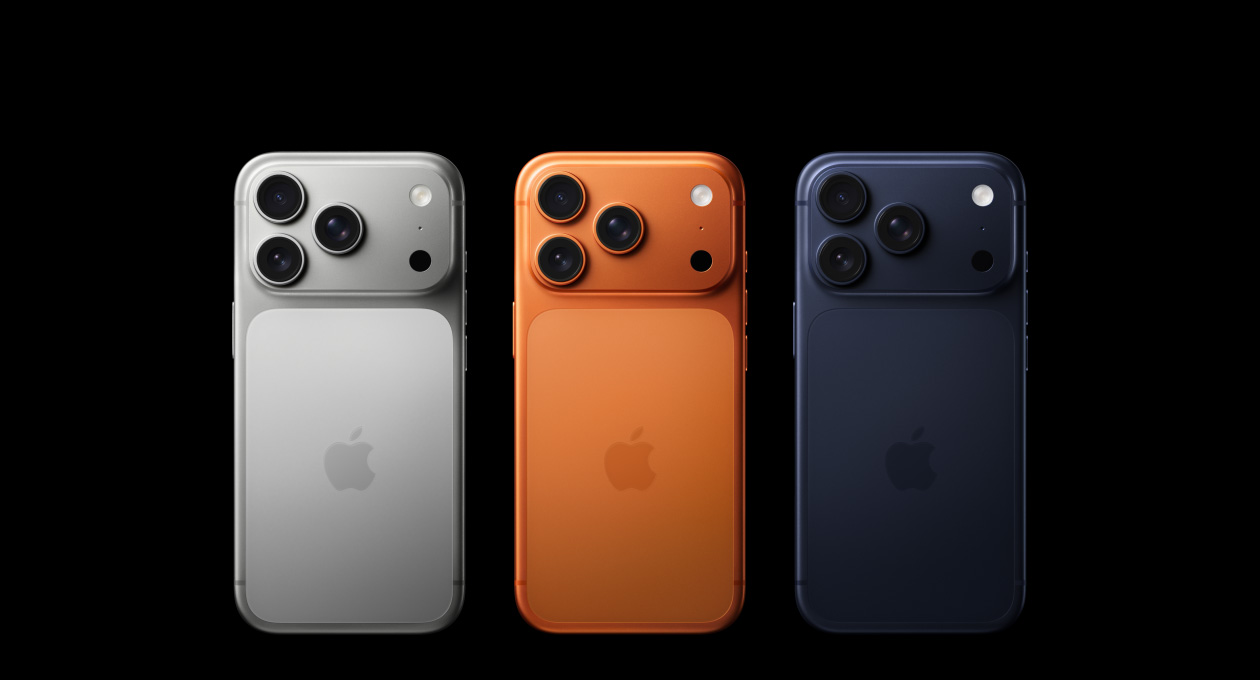
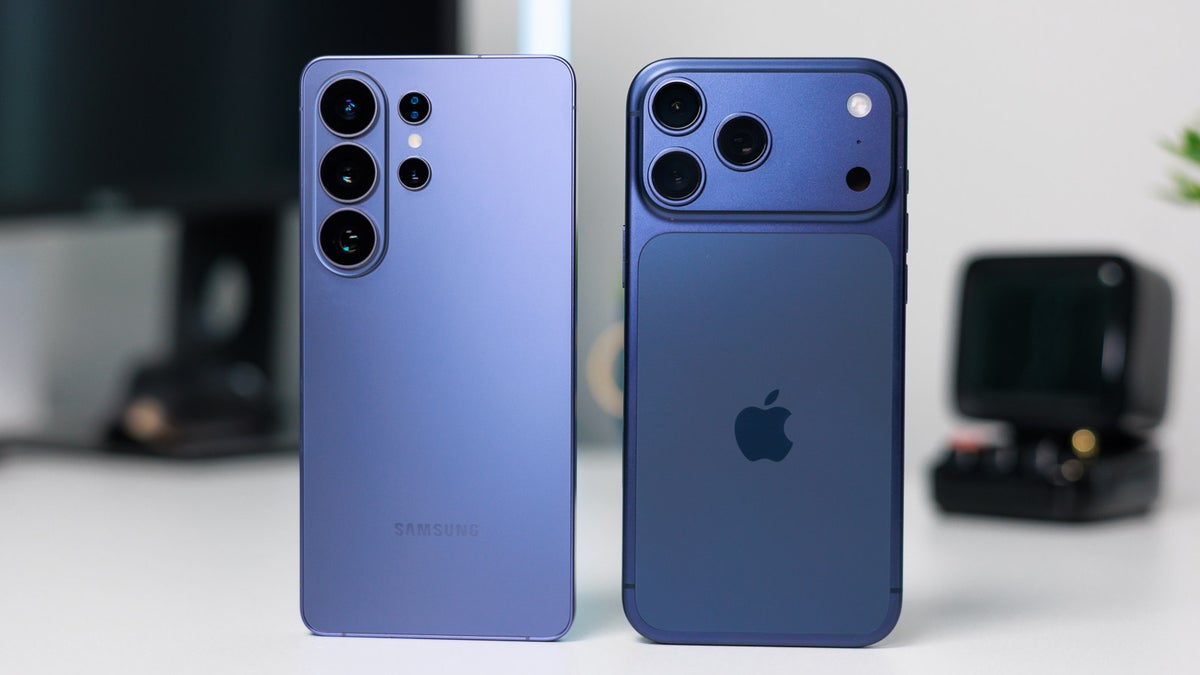
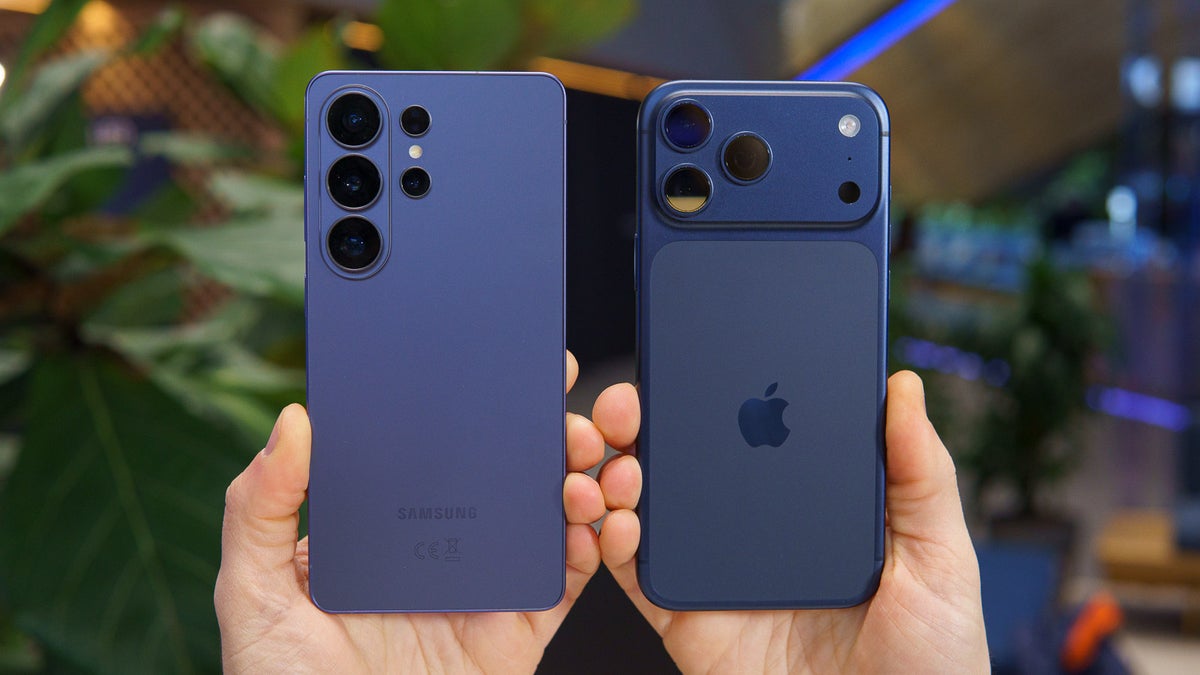
Both the Galaxy S26 Ultra and the iPhone 17 Pro Max boast premium designs and stunning displays. Samsung has refined the S26 Ultra with a slightly slimmer and lighter profile, offering a sleek feel in hand. The device features a vibrant 6.9-inch display, known for its exceptional brightness and color accuracy. Apple, on the other hand, continues its tradition of excellence with the iPhone 17 Pro Max, also sporting a 6.9-inch display that delivers equally vibrant visuals and consistent quality.

Performance: Raw Power and Seamless Experience
Under the hood, the Galaxy S26 Ultra is powered by the Snapdragon 8 Elite Gen 5 chipset, while the iPhone 17 Pro Max features Apple’s A19 Pro chip. In terms of raw processing power and everyday usage, both phones offer a remarkably similar, high-performance experience. The Snapdragon 8 Elite Gen 5 is a formidable SoC, handling demanding applications and multitasking with ease. Apple’s A19 Pro chip, lauded for its efficiency and power, chews through any task thrown its way, maintaining Apple’s reputation for superior silicon. Samsung’s One UI 8.5, running on the S26 Ultra, has shown significant improvements in stability and offers a feature-rich Android experience that is both smooth and reliable.

Camera Capabilities: Capturing Every Moment
Photography is a key battleground for flagship smartphones, and both devices bring impressive camera systems to the table. The Galaxy S26 Ultra features a 200MP primary camera with a wider aperture, suggesting enhanced low-light performance. While overall photo quality can often come down to personal preference, the iPhone 17 Pro Max continues to excel in video recording, offering a smoothness and depth that many find unmatched in the Android ecosystem.
Battery Life and Charging: Endurance and Speed
Battery performance is crucial for modern smartphone users. The Galaxy S26 Ultra is equipped with a 5,000mAh battery and supports 60W fast charging, significantly outpacing the iPhone 17 Pro Max’s charging speeds. The iPhone 17 Pro Max, despite having a roughly 5,000mAh cell, is optimized for efficiency, offering up to 39 hours of video playback. However, the S26 Ultra does not yet have full Qi2 compatibility out of the box.
Comparison Table: Samsung Galaxy S26 Ultra vs. iPhone 17 Pro Max
| Feature | Samsung Galaxy S26 Ultra | iPhone 17 Pro Max |
|---|---|---|
| Processor | Snapdragon 8 Elite Gen 5 | Apple A19 Pro |
| Display Size | 6.9-inch | 6.9-inch |
| Primary Camera | 200MP (wider aperture) | Advanced Camera System |
| Battery Capacity | 5,000mAh | ~5,000mAh |
| Charging Speed | 60W Fast Charging | Slower than S26 Ultra |
| Operating System | Android (One UI 8.5) | iOS |
| Design | Slightly slimmer, lighter | Premium, consistent quality |
Conclusion: A Tight Race at the Top
Both the Samsung Galaxy S26 Ultra and the iPhone 17 Pro Max represent the pinnacle of smartphone technology in March 2026. The choice between them largely depends on user preference for operating systems and specific feature priorities. The S26 Ultra offers faster charging and a refined Android experience, while the iPhone 17 Pro Max excels in video recording and the seamless iOS ecosystem. Regardless of your choice, both devices promise an exceptional smartphone experience.
Focus Keyphrase: Samsung Galaxy S26 Ultra vs iPhone 17 Pro Max
Meta Description: Compare the Samsung Galaxy S26 Ultra and iPhone 17 Pro Max: features, performance, camera, battery, and design in this in-depth review of the 2026 flagship smartphones.