




Summary
John Ternus product design priorities are becoming one of the first clear signals of Apple’s new leadership era. According to MacRumors, citing Bloomberg’s Mark Gurman, Ternus has made product design a major priority since becoming Apple’s CEO last month.
That matters because Apple has spent years being viewed through the lens of operational excellence, supply-chain control, and steady iteration. Ternus comes from a different background. Before becoming CEO, he led hardware engineering, a role that sits close to the physical realities of Apple products.
The reported shift does not mean Apple is abandoning financial discipline or manufacturing strength. It does suggest that the company’s next chapter may be shaped more directly by industrial design, interface design, and hardware engineering decisions.
A more hands-on design culture

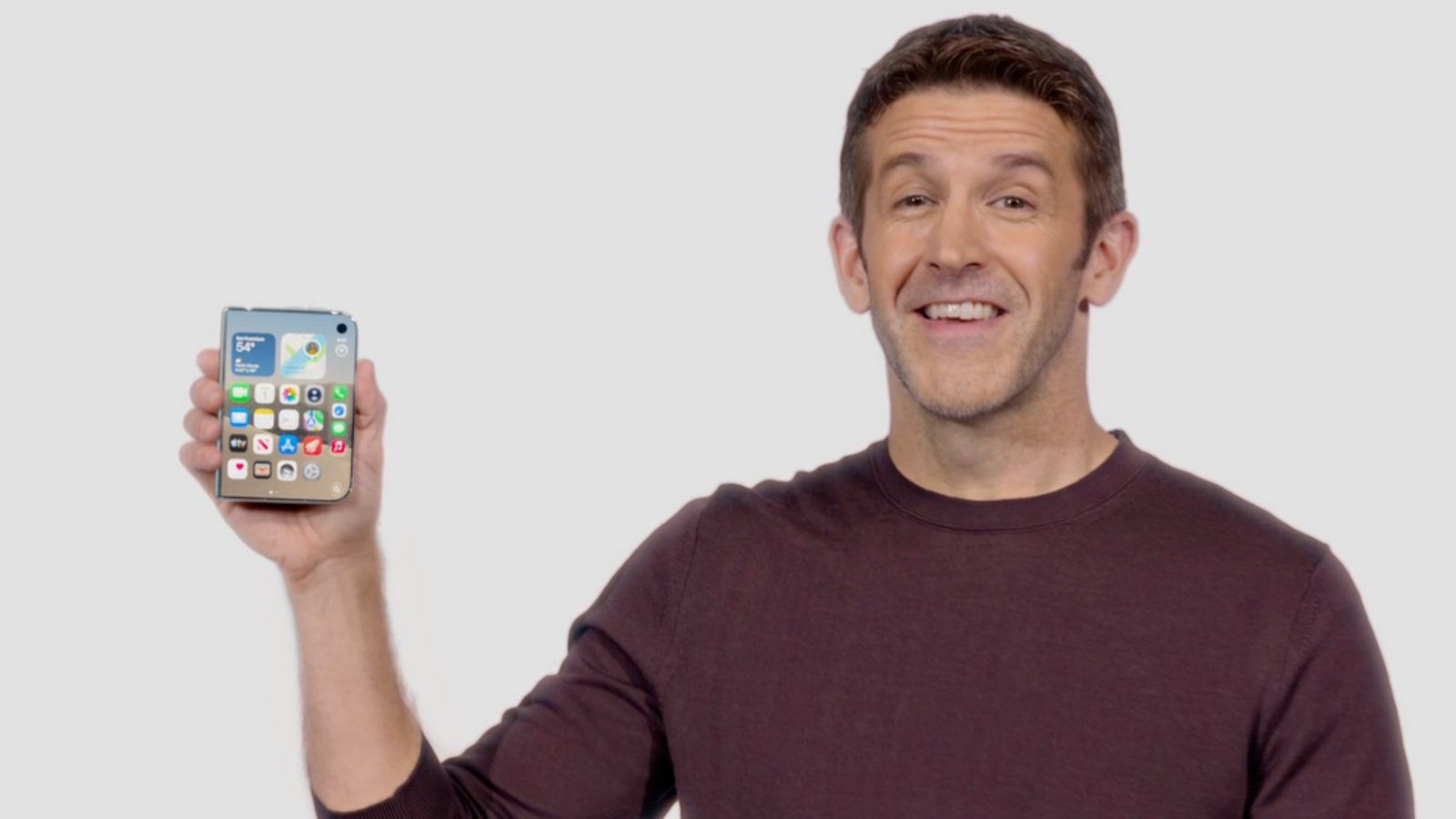
MacRumors reports that Ternus has become more deeply involved with Apple’s industrial design and human interface teams. Gurman’s reporting describes him as visiting Apple’s design studio several times a week, sometimes more than once in a day.
That is a meaningful change in style. Former CEO Tim Cook was known primarily as a supply-chain and operations leader. He protected Apple’s margins, logistics, services expansion, and manufacturing scale. Ternus, by contrast, is being framed as a product person.
A product-led CEO can change how trade-offs are settled inside a company. Thickness, weight, thermals, battery size, repairability, materials, ports, software affordances, and price all compete against each other. When the CEO spends more time in design reviews, those choices can move differently.
Why this timing matters
Apple is entering a period where design decisions may become more important than routine specification upgrades. Foldable devices, AI-first interfaces, wearables, smart home hardware, and thinner Macs all require the company to rethink familiar product categories.
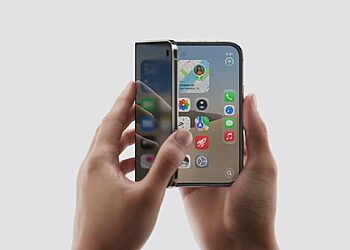
The iPhone Duo is one example. A foldable iPhone is not only a screen-size story. It changes one-handed use, multitasking, durability, software layout, hinge engineering, and the way customers understand the iPhone line.
The same applies to rumored touchscreen OLED MacBook Pro models and new smart home products. Apple cannot simply add faster chips and expect every category to feel new. It needs strong design judgment around how people actually use these devices.
This is where Ternus’s hardware background could matter. A CEO who understands the engineering cost of a hinge, display stack, thermal system, or battery layout may be more willing to push ambitious designs while still asking whether they can ship at scale.
Cook’s Apple versus Ternus’s Apple
Cook’s Apple became the most disciplined consumer technology company in the world. It expanded services, built an enormous wearables business, protected the iPhone, and turned supply-chain execution into a competitive weapon.
But critics have also argued that Apple became more cautious, with fewer radical product changes and more predictable yearly upgrades. A Ternus-led Apple could answer that criticism if design and engineering regain more visible influence.
There is a risk, too. Product ambition can become expensive, and not every design-led idea becomes a successful product. Apple’s challenge is to bring back more excitement without weakening the operational machine that made it so profitable.
Apple also has to protect trust. Customers may want bolder products, but they still expect durability, long software support, strong resale value, and a polished ecosystem. A more design-led Apple cannot afford to feel experimental in the wrong places.
What users should watch next
The clearest evidence will come from the next few hardware cycles. Watch whether Apple takes bigger swings on iPhone form factors, MacBook input methods, Home devices, and Apple Watch health hardware.
Also watch software. Human interface design is just as important as industrial design. If Ternus is spending more time with Apple’s interface teams, future iOS, macOS, and visionOS updates may show stronger alignment between hardware and software.
For customers, the hope is simple: Apple products should feel less like annual spec refreshes and more like carefully rethought tools. If Ternus can deliver that while keeping Apple’s quality standards intact, this leadership shift may become more than an internal culture story.
The first year of Ternus’s leadership will therefore be judged less by speeches and more by product behavior: whether Apple makes clearer design bets, whether those bets improve daily use, and whether the company can make new categories feel inevitable rather than forced.
Source: MacRumors.