# AI Takes Center Stage: Meta, Google, and OpenAI Unveil Groundbreaking Innovations
The artificial intelligence landscape is buzzing with activity this April, as tech giants Meta, Google, and OpenAI each rolled out significant advancements set to reshape the industry. From Meta’s ambitious new AI model challenging established leaders to Google’s efficiency-boosting algorithm and OpenAI’s dual focus on child safety and enterprise solutions, the pace of innovation is accelerating. This article delves into these pivotal developments, exploring their implications for businesses, developers, and the future of AI.
## Meta Unleashes Muse Spark: A New Contender in the AI Race
Meta has officially launched Muse Spark, its first major AI model since the high-profile recruitment of Alexandr Wang from Scale AI. This move signals Meta’s direct intent to challenge the dominance of OpenAI’s GPT series and Google’s Gemini models. Muse Spark is reported to emphasize multimodal capabilities and agentic behavior, positioning it for a wide array of applications, from consumer-facing apps to complex business integrations. The rapid nine-month development cycle underscores Meta’s aggressive resource allocation and strategic talent acquisition in the AI domain [1] [2] [3].
## Google’s TurboQuant: Revolutionizing LLM Efficiency
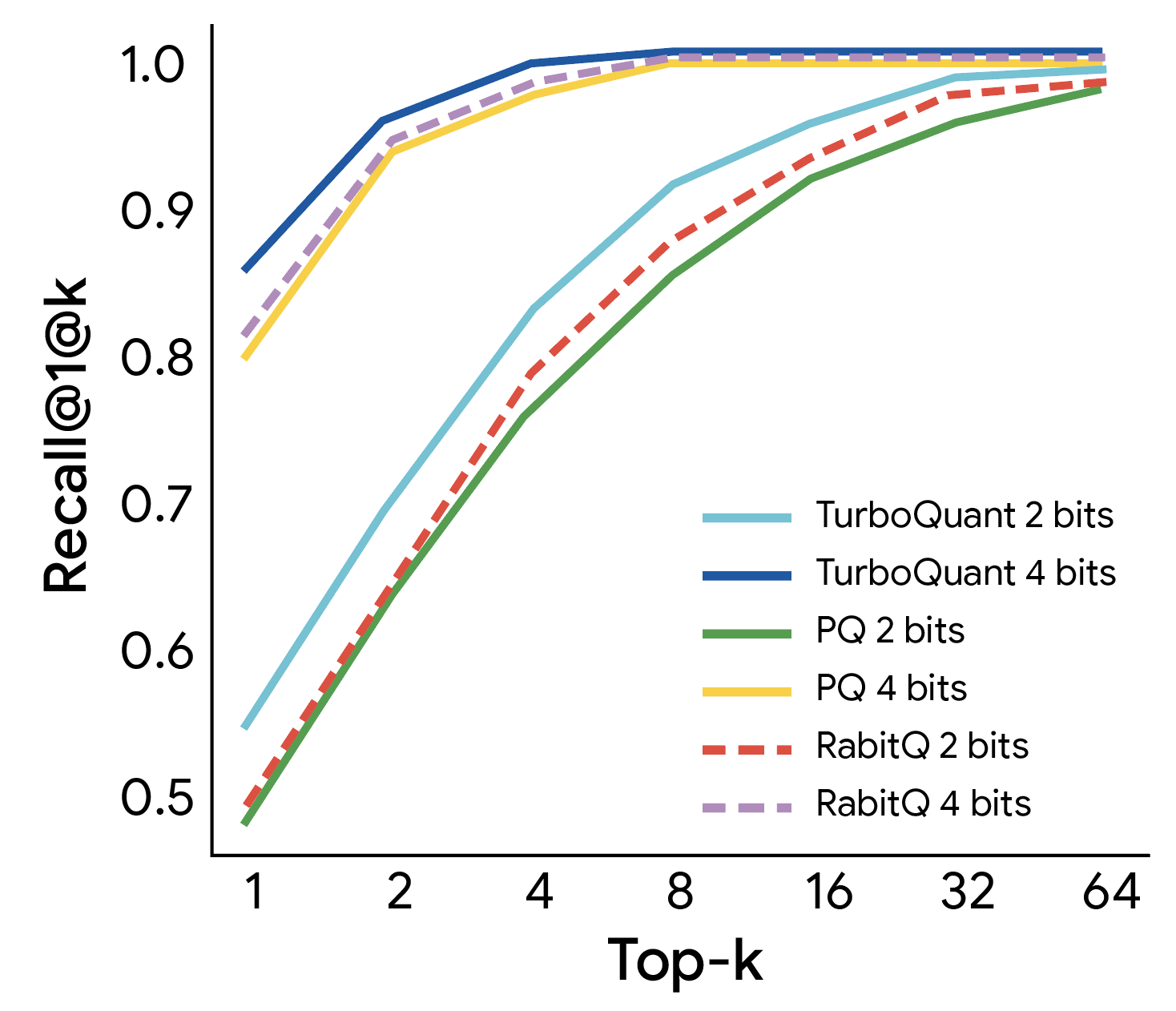
Google introduced the groundbreaking TurboQuant algorithm at ICLR 2026, directly addressing a critical bottleneck in Large Language Models (LLMs): the KV cache memory overhead. The KV cache stores previous token computations to prevent redundant processing, but it consumes vast amounts of memory, especially with longer context windows. TurboQuant employs a novel quantization technique that drastically compresses this cache without significant performance degradation. This innovation promises to substantially reduce operating costs for LLM inference and enables the use of longer context windows on existing hardware infrastructure [4] [5] [6].
## OpenAI’s Dual Focus: Child Safety Blueprint and Enterprise Expansion
OpenAI made a dual announcement, releasing a comprehensive Child Safety Blueprint alongside expanded enterprise AI solutions. The Child Safety Blueprint meticulously outlines technical safeguards and policy measures designed to prevent misuse, including advanced content filters, robust age verification tools, and clear developer guidelines. Concurrently, their enterprise solutions likely include sophisticated fine-tuning APIs, secure private deployment options, and specialized industry-specific modules. This integrated approach aims to build public trust and address regulatory concerns while simultaneously capturing a larger share of the burgeoning business demand for advanced AI [7] [8] [9].
## Comparative Overview of AI Innovations
| Innovation | Company | Key Feature | Primary Impact |
|—|—|—|—|
| Muse Spark | Meta | Multimodal, agentic AI model | Challenges existing AI leaders, diverse applications |
| TurboQuant | Google | KV cache memory reduction | Reduces LLM inference costs, enables longer context windows |
| Child Safety Blueprint & Enterprise Solutions | OpenAI | Technical safeguards, policy measures, enterprise APIs | Builds trust, addresses regulatory concerns, expands business reach |
## Conclusion
April 2026 marks a pivotal moment in AI development, with Meta, Google, and OpenAI pushing the boundaries of what’s possible. These innovations highlight a future where AI is not only more powerful and efficient but also more responsibly integrated into our daily lives and business operations. As these technologies continue to evolve, staying informed about their capabilities and ethical considerations will be crucial for navigating the rapidly changing tech landscape.
## References
* [1] Meta debuts new AI model, attempting to catch Google … – CNBC: https://www.cnbc.com/2026/04/08/meta-debuts-first-major-ai-model-since-14-billion-deal-to-bring-in-alexandr-wang.html
* [2] Meta debuts Muse Spark, first AI model under Alexandr Wang – Axios: https://www.axios.com/2026/04/08/meta-muse-alexandr-wang
* [3] Meta Unveils New A.I. Model, Its First From … – The New York Times: https://www.nytimes.com/2026/04/08/technology/meta-muse-spark-ai-model.html
* [4] TurboQuant: Redefining AI efficiency with extreme compression – Google Research: https://research.google/blog/turboquant-redefining-ai-efficiency-with-extreme-compression/
* [5] TurboQuant: The Math Behind Google’s AI Leap – Medium: https://medium.com/data-science-collective/turboquant-how-google-made-it-possible-to-run-huge-models-locally-099b6b501517
* [6] How I Ran 128K Context on 8GB RAM with TurboQuant – Towards AI: https://pub.towardsai.net/from-whiteboard-to-ide-implementing-googles-turboquant-kv-cache-compression-in-python-0e02b53a4640
* [7] Introducing the Child Safety Blueprint | OpenAI: https://openai.com/index/introducing-child-safety-blueprint/
* [8] OpenAI releases a new safety blueprint to address the rise … – TechCrunch: https://techcrunch.com/2026/04/08/openai-releases-a-new-safety-blueprint-to-address-the-rise-in-child-sexual-exploitation/
* [9] OpenAI releases its framework for AI child safety policies. – The Verge: https://www.theverge.com/ai-artificial-intelligence/908833/openai-releases-a-framework-for-child-safety