


Alibaba’s HappyHorse 1.0: The New King of AI Video Generation
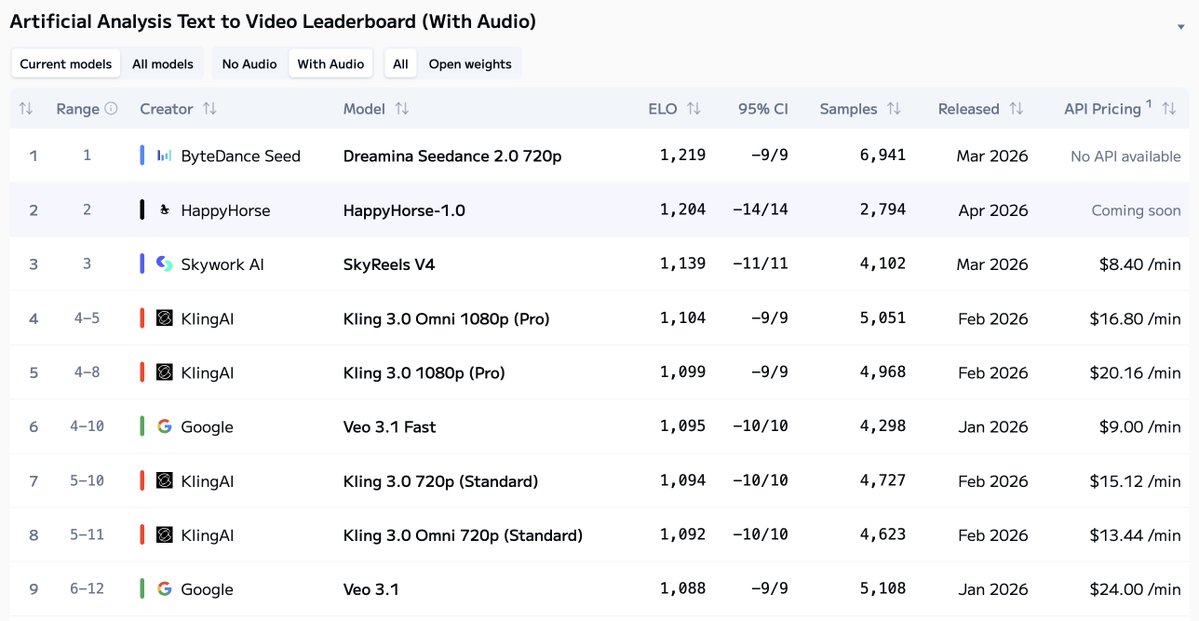
The landscape of artificial intelligence is constantly evolving, and the realm of video generation is no exception. A new contender has emerged, shaking up the industry and claiming the top spot on global benchmarks: Alibaba’s HappyHorse 1.0. This advanced AI model, initially shrouded in mystery, has now been confirmed as an Alibaba innovation, demonstrating remarkable capabilities in creating high-definition, coherent video content from text and images. Its rise signifies a pivotal moment in AI-driven creativity and production.
Unveiling HappyHorse 1.0: Technical Prowess and Key Features
HappyHorse 1.0 has quickly garnered attention for its superior performance, particularly its ability to generate 1080p high-definition videos with exceptional clarity and natural motion transitions. This 15-billion-parameter model is designed for both text-to-video and image-to-video generation, offering a versatile tool for creators and businesses alike. Its technical specifications highlight a focus on visual fidelity and consistency, addressing common challenges in AI video synthesis.
Performance Benchmarks: Leading the Pack
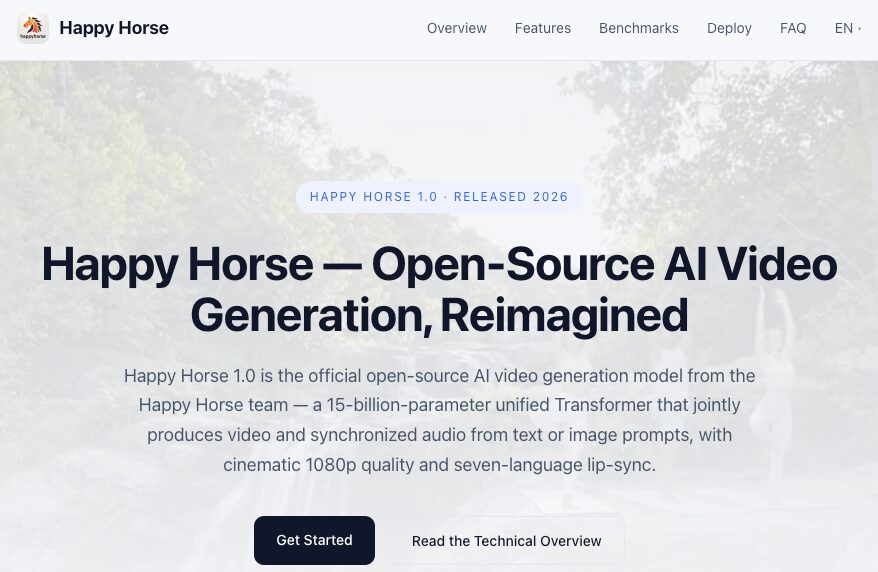
According to Artificial Analysis’ global leaderboard, HappyHorse 1.0 has surpassed established models like Seedance 2.0, securing the #1 position. This achievement is based on blind comparisons across thousands of user evaluations, underscoring its perceived quality and realism. The model’s efficiency is also noteworthy, with inference speeds capable of generating a 5-second clip at 256p in approximately 2 seconds, and a 1080p video in about 38 seconds on an H100 GPU. This blend of quality and speed positions HappyHorse 1.0 as a formidable tool in the competitive AI video market.
HappyHorse 1.0 vs. The Competition: A Comparative Look
To truly appreciate HappyHorse 1.0’s impact, it’s essential to compare it with other leading AI video generation models. While detailed public specifications for all models can vary, the Artificial Analysis leaderboard provides a clear indication of performance. Below is a simplified comparison based on available information and reported benchmarks:
| Feature/Model | HappyHorse 1.0 (Alibaba) | Sora 2 (OpenAI) | Kling 3.0 (Kuaishou) | Seedance 2.0 (ByteDance) | Google Veo 3.1 |
|---|---|---|---|---|---|
| Resolution | 1080p | Up to 1080p | Up to 1080p | Up to 1080p | Up to 1080p |
| Parameters | 15 Billion | Undisclosed | Undisclosed | Undisclosed | Undisclosed |
| Key Capabilities | Text-to-Video, Image-to-Video, Natural Motion | Highly Realistic, Complex Scenes, Long Duration | Advanced Physics, Realistic Motion | High-Quality, Diverse Styles | High Fidelity, Semantic Understanding |
| Artificial Analysis Ranking | #1 | Top Tier | Top Tier | #2 | Top Tier |
| Availability | Limited/API | Limited Access | Limited Access | Limited Access | Limited Access |
The Broader Implications for AI Video
Alibaba’s entry into the top tier of AI video generation with HappyHorse 1.0 underscores the rapid advancements in this field. This development is likely to intensify competition among tech giants, driving further innovation in areas such as video realism, duration, and control. For industries ranging from entertainment and marketing to education and content creation, the availability of increasingly sophisticated AI video tools promises to democratize high-quality video production and unlock new creative possibilities.
Conclusion
HappyHorse 1.0 represents a significant leap forward in AI video generation, solidifying Alibaba’s position as a key player in the global AI race. Its ability to produce high-resolution, coherent videos, combined with its top ranking on independent benchmarks, signals a new era for AI-powered creative tools. As these technologies continue to evolve, we can expect even more transformative applications and a blurring of lines between AI-generated and human-created content.