Bitcoin Core Node Stall: Which Versions Need an Update

Summary
The Bitcoin Core node stall vulnerability tracked as CVE-2026-117348 affects specific older releases, and fixes are available. Bitcoin Core’s November 20, 2026 advisory lists fixed versions 30.5, 31.3 and 32.1. The issue can temporarily prevent an affected node from processing blocks and transactions. For operators, checking the running version matters more than interpreting the story as a general failure of Bitcoin or a direct wallet-theft vulnerability.
Which Bitcoin Core node stall versions are affected?
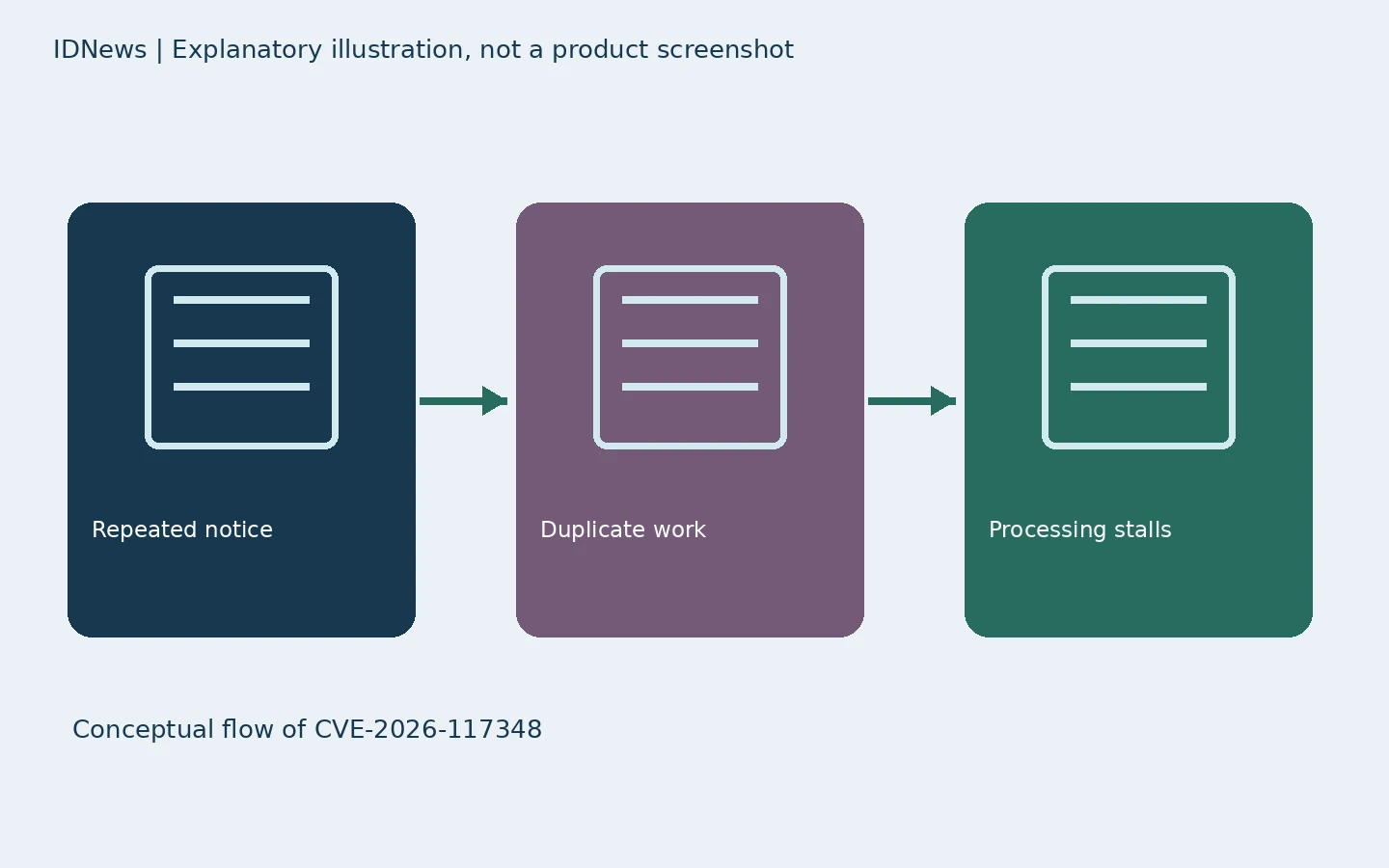
The official security advisory identifies affected versions as 29.0 through 29.5, 30.0 through 30.4, and 31.0 through 31.2. It names 30.5, 31.3 and 32.1 as fixed releases. The 29.x series has reached end of life and will not receive a fix. Operators still on that branch therefore need a supported upgrade path rather than waiting for a 29.x patch. These are the advisory’s named ranges as reviewed November 22, not a claim that every earlier or later build has been individually tested by this publication.
Why repeated announcements caused work to multiply
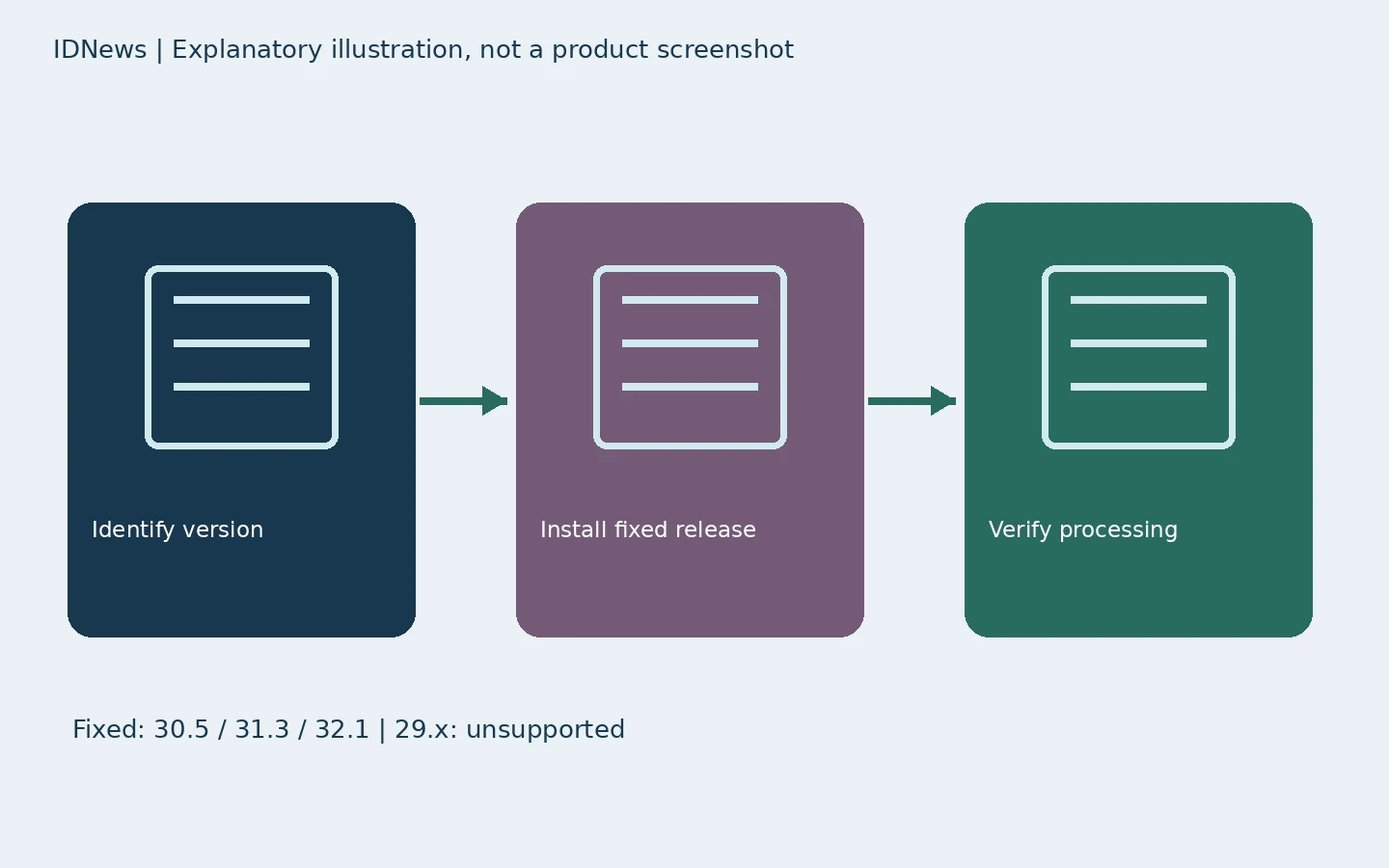
Bitcoin Core keeps transactions whose parent transactions have not yet been seen in an orphanage. When a peer announces one of those transactions, the node can inspect its missing parents to decide what to request. The advisory says duplicate entries in an inventory message were not skipped. Repeated announcements could therefore make the node perform the same parent-related work again and again. The fix processes each transaction announced in an inventory message only once. This explanation describes the defensive significance without providing an attack procedure or asking readers to reproduce the condition on a public node.
A stall is not the same as protocol-level coin theft
The maintainers classify this issue as Medium severity and easily discoverable. Their security policy distinguishes service degradation from critical vulnerabilities that threaten the network’s fundamental integrity, such as protocol-level theft or unintended coin creation. The current advisory describes temporary message-processing stalls, including delayed processing of blocks. It does not report that this bug creates coins or extracts private keys. That does not make the disruption harmless: a service relying on a node can be affected if the node stops making timely progress. The right operational response is to patch affected software and verify service health, not to infer consequences absent from the disclosure.
An operator checklist before and after maintenance
First identify the version of the process actually serving your workload. Do not assume that downloading a newer package changed a running service. Next, map that version to the affected ranges and select a supported fixed release appropriate to your deployment. Review the release notes and your existing backup and maintenance procedures before changing a production node. After maintenance, confirm the running version, peer connectivity and continued block processing. These are general operational checks, not commands tested against your infrastructure. If a third-party service operates the node, ask for its running version and remediation status rather than assuming the wallet application’s version answers the question.
What the AI discovery claim does and does not establish
The advisory attributes discovery to an automated LLM scan in Elias Rohrer’s Project Loupe at Spiral. Gregory Sanders validated the finding and surfaced it to the Bitcoin Core security team. The timeline also records an independent report by Stutxo. This is an example of automated analysis contributing to security research with human validation, not evidence that an AI independently patched the network or found every remaining bug. Our coverage of another AI security evaluation similarly separates a specific result from a universal security claim.
Use the disclosure timeline to judge patch availability
Project Loupe reported the issue July 8; the fix was merged August 6. Bitcoin Core 32.1 shipped with the fix October 27. The advisory records backports to the 30.x and 31.x branches on November 17, followed by releases 30.5 and 31.3 and public disclosure November 20. Announcement date, merge date and release date therefore mean different things. An operator should look for an installed fixed release, not merely a repository commit or a news headline. The central action remains straightforward: identify whether the running node is in an affected range, move unsupported 29.x installations to a supported branch, and verify normal processing after the update.
Featured visual: original iDigitalNews explanatory illustration, not a product screenshot.