




Major League Baseball (MLB) is stepping into a new era of precision and strategy with the official implementation of the Automated Ball-Strike (ABS) Challenge System, set to debut at the start of the 2026 season. This groundbreaking technological advancement, powered by T-Mobile’s 5G network, aims to revolutionize how ball and strike calls are made, blending human judgment with cutting-edge accuracy.

The Dawn of a New Era: How ABS Works
The ABS Challenge System is designed to be a strategic middle ground, avoiding the complete automation of “robot umps” while ensuring that high-leverage calls are accurate. The system monitors the exact location of each pitch relative to the specific batter’s strike zone. When a player feels an umpire has made an incorrect call, they can immediately request a challenge.
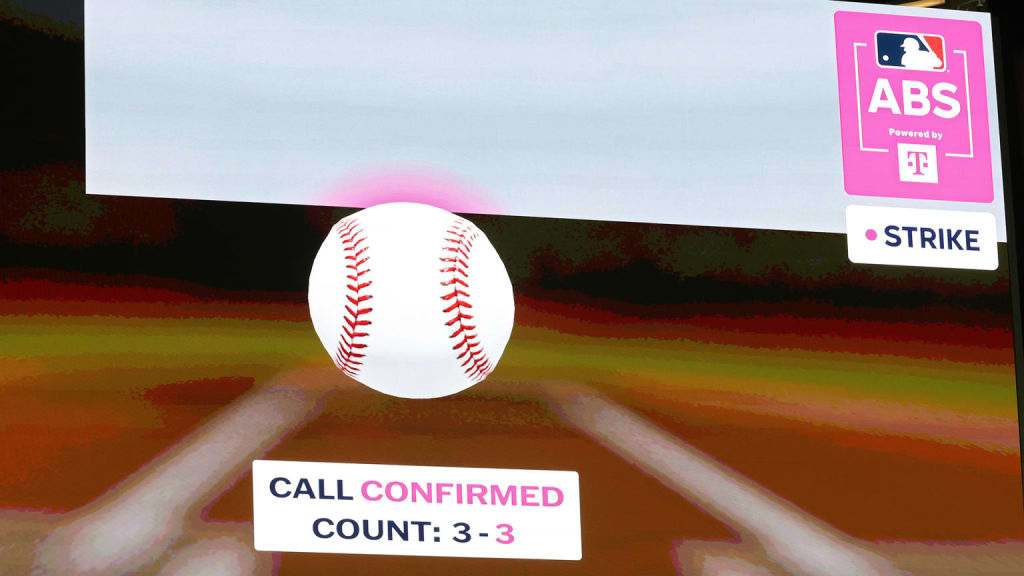
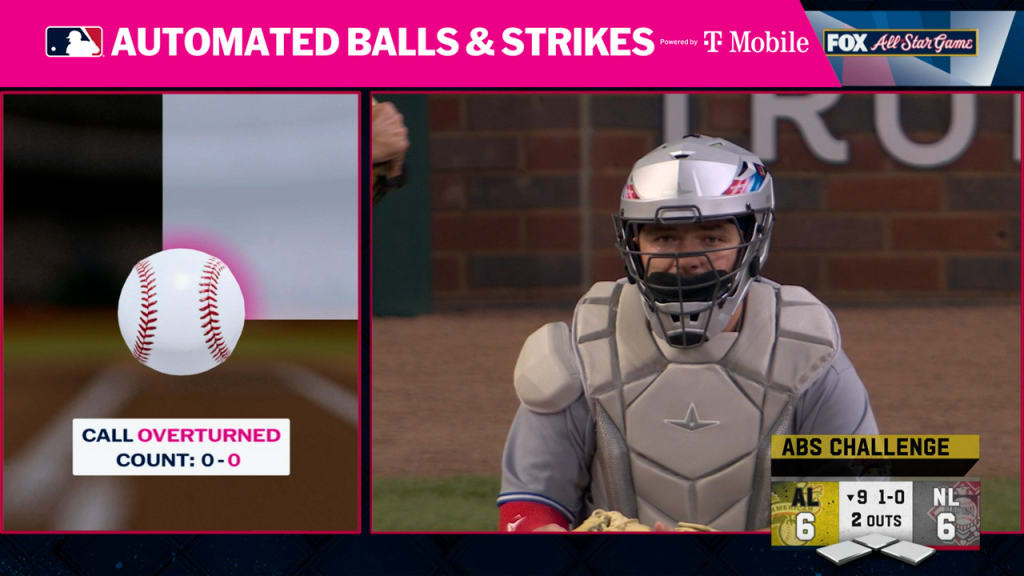
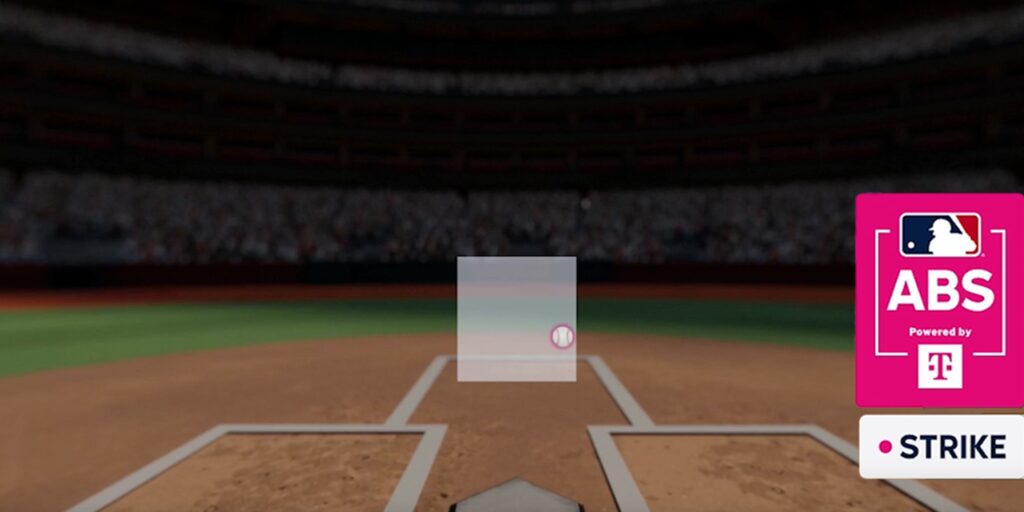
Crucially, only the batter, pitcher, or catcher can initiate a challenge, and they must do so within roughly two seconds of the pitch by tapping their cap or helmet. Managers are not permitted to challenge ball and strike calls. Once a challenge is issued, a graphic displaying the pitch’s location is transmitted over T-Mobile’s Advanced Network Solutions and shown nearly instantaneously on the stadium videoboard and television broadcasts.

Strategic Implications and Game Pace
The introduction of the ABS Challenge System adds a fascinating new layer of strategy to baseball. Each team begins the game with two challenges. If a challenge is successful and the umpire’s call is overturned, the team retains that challenge. However, if the call is confirmed, the challenge is lost. This dynamic forces players to be judicious, saving their challenges for critical, high-leverage situations rather than using them frivolously.
In the event a game goes into extra innings, teams that have exhausted their challenges will receive one additional challenge for the 10th inning, and another for each subsequent inning if they remain out of challenges. Despite concerns about game length, testing during the 2025 Spring Training revealed that the system only added an average of 57 seconds per game, with each challenge taking approximately 13.8 seconds to resolve.
Comparing Umpiring Systems
To understand the significance of this shift, it is helpful to compare the new ABS Challenge System with traditional umpiring and a fully automated approach.
| Feature | Traditional Umpiring | ABS Challenge System (2026) | Full ABS (Robot Umps) |
|---|---|---|---|
| Call Source | Human Home Plate Umpire | Human (with Tech Replay) | Computer/AI |
| Accuracy | Variable (Human Error) | High (on Challenges) | 100% (Technically) |
| Game Pace | Fastest | Minor Delay (~14s/challenge) | Potential Delay/Sync |
| Strategy | None | High (Challenge Management) | None |
| Human Element | Maximum | Balanced | Minimum |

Fan and Player Reception
The reception to the ABS Challenge System has been overwhelmingly positive. During Spring Training testing, 72% of surveyed fans reported that the system had a positive impact on their viewing experience. Furthermore, 69% of fans expressed a desire for the sport to adopt the system fully, compared to just 31% who preferred continuing solely with human umpires.
Players and coaches have also shown strong support. In a survey of Triple-A personnel, 60% preferred the game format with the Challenge System, highlighting its ability to correct egregious errors while maintaining the traditional flow and feel of the game.
Conclusion
As the 2026 MLB season kicks off, the Automated Ball-Strike Challenge System stands as the most significant technological integration in recent sports history. By successfully marrying the human element of baseball with the precision of modern 5G technology, MLB has created a system that enhances fairness, introduces new strategic depths, and ultimately improves the experience for players and fans alike.