



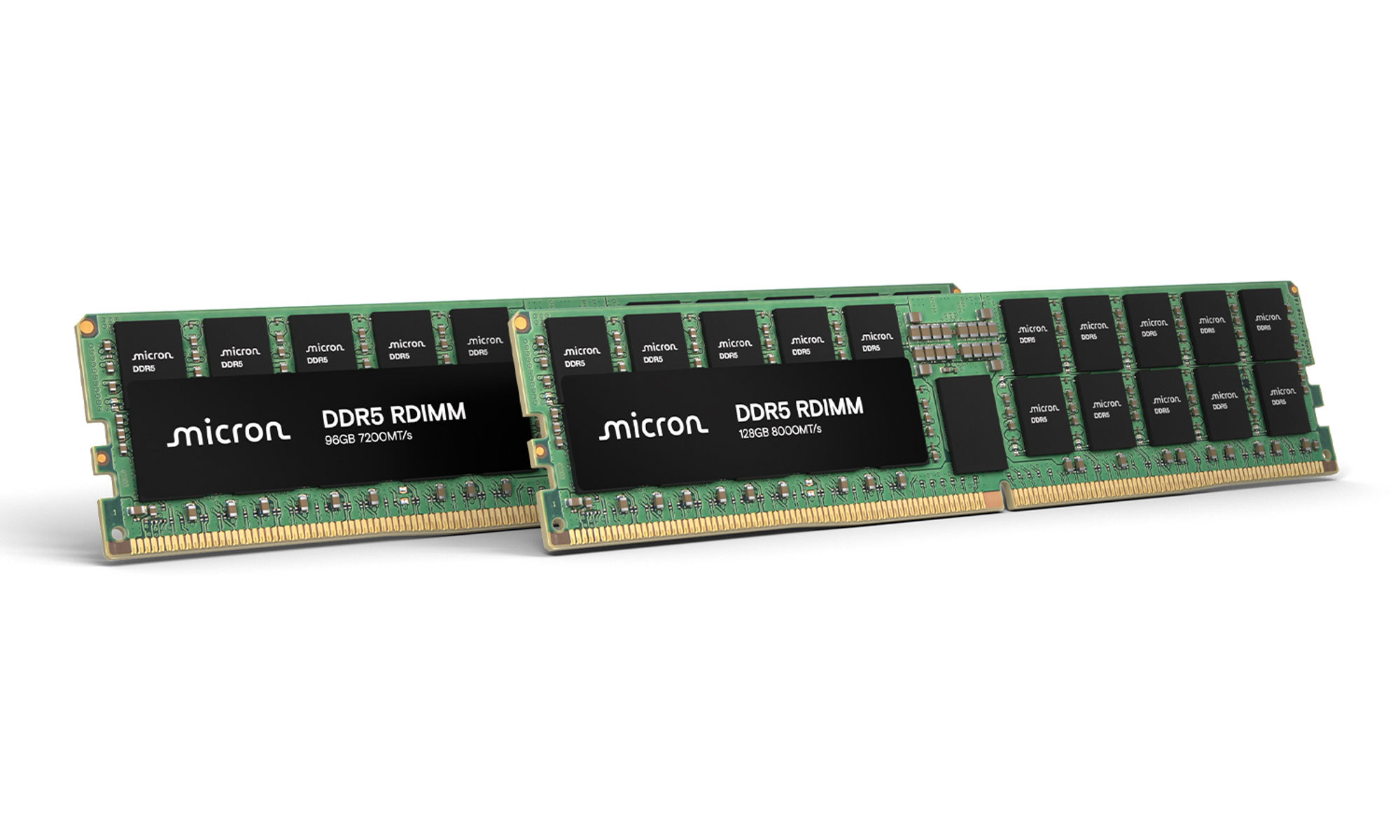
The tech world is currently grappling with a phenomenon dubbed “RAMageddon,” a severe global shortage of RAM and Solid State Drives (SSDs) that is sending shockwaves through the consumer electronics market. This scarcity, primarily fueled by the insatiable demand for high-bandwidth memory (HBM) chips in the burgeoning artificial intelligence (AI) sector, is leading to significant price hikes for everything from smartphones and laptops to next-generation gaming consoles. As 2026 unfolds, consumers are facing the reality of more expensive gadgets and potentially slower innovation in certain segments.
The Genesis of RAMageddon: AI’s Voracious Appetite

The root cause of RAMageddon lies squarely with the explosive growth of AI. Advanced AI models and data centers require immense processing power and, critically, vast amounts of high-speed memory to function efficiently. This has led to a dramatic shift in memory demand, moving away from the broad consumer market towards specialized HBM chips. Memory chip prices, particularly for DRAM and SSDs, have surged by as much as 130% by the end of 2026, with some reports indicating a doubling in the first quarter alone [1]. This unprecedented demand has created a bottleneck, as manufacturers struggle to ramp up production to meet both AI and consumer needs.
Impact on Consumer Electronics: A Pricey Future
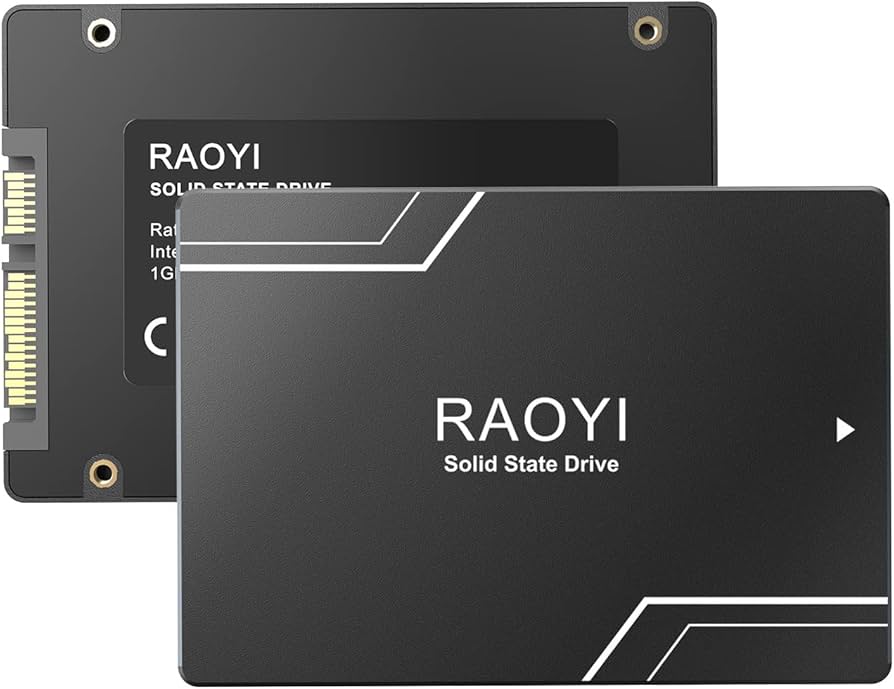
The most immediate and noticeable effect of RAMageddon is the escalating cost of consumer devices. PC prices are projected to increase by an average of 17% in 2026, making new computers less accessible for many [2]. The smartphone market is also feeling the pinch, with new flagship models in 2026 likely to forgo RAM upgrades, sticking to 12GB for Pro models instead of advancing to 16GB, as manufacturers try to mitigate rising costs [3]. Even the gaming industry is not immune; both Sony and Nintendo are grappling with surging memory prices, which could lead to higher prices for consoles like the PlayStation 5 and the eagerly anticipated Nintendo Switch 2 [4].
Beyond Price: Innovation and Market Shifts
Beyond the sticker shock, RAMageddon is also influencing innovation and market dynamics. Smaller tech companies and startups, which rely on affordable components, may find it harder to compete. The shift in manufacturing focus towards HBM for AI could also slow down advancements in conventional memory technologies used in consumer devices. Furthermore, the crisis has highlighted the fragility of the global supply chain and the interconnectedness of various tech sectors. Companies like Samsung, despite seeing a 48-fold increase in chip profit due to AI-fueled memory demand, are also bracing for potential losses in their smartphone business due to the overall memory crunch [5].
Navigating the Shortage: Strategies and Outlook
For consumers, navigating RAMageddon means making informed purchasing decisions. Delaying non-essential upgrades or opting for devices with slightly older specifications might be prudent. For manufacturers, the challenge lies in balancing AI demand with consumer needs, investing in new fabrication plants, and exploring alternative memory solutions. While some analysts predict the shortage could last well into 2027, others suggest that increased production capacity and potential breakthroughs in memory technology could eventually alleviate the pressure. However, the era of cheap, abundant memory chips appears to be temporarily on hold, ushering in a new phase for the tech industry.
For more insights into the evolving landscape of AI and its broader implications, you can read our article on AI Breakthroughs: Meta, Google, and OpenAI Unveil Future-Shaping Innovations.
References
- [1] Reuters. (2026, May 8). Sony, Nintendo grapple with memory price surge as AI boom constrains supply. https://www.reuters.com/world/asia-pacific/sony-nintendo-grapple-with-memory-price-surge-ai-boom-constrains-supply-2026-05-08/
- [2] Gartner. (2026, February 26). Gartner Says Surging Memory Costs Will Reduce Global PC and Smartphone Shipments in 2026. https://www.gartner.com/en/newsroom/press-releases/2026-02-26-gartner-says-surging-memory-costs-will-reduce-global-pc-and-smartphone-shipments-in-2026
- [3] IDC. (2025, December 18). Global Memory Shortage Crisis: Market Analysis and the Potential Impact on the Smartphone and PC Markets in 2026. https://www.idc.com/resource-center/blog/global-memory-shortage-crisis-market-analysis-and-the-potential-impact-on-the-smartphone-and-pc-markets-in-2026/
- [4] The Guardian. (2026, May 6). ‘RAMageddon’: is the era of cheap phones and laptops over? https://www.theguardian.com/business/2026/may/06/ramageddon-cheap-phones-laptops-macbooks-ps5s-ai-chips
- [5] Reddit. (2026, January 1). Samsung’s Chip Profit Soars 48-Fold on AI-Fueled Memory Demand. https://www.reddit.com/r/technology/comments/1szh9mq/samsungs_chip_profit_soars_48fold_on_aifueled/