


The idea of a refrigerator receiving a software update might still sound unusual to some, but Samsung is pushing the boundaries of smart home appliances with its latest AI-powered enhancements for the Bespoke line of fridges. This significant update, integrating Google Gemini, marks a pivotal moment in making kitchen appliances genuinely intelligent and helpful, moving beyond mere novelty to practical utility.
The Evolution of Bespoke AI: From Novelty to Necessity
For a couple of years, Samsung’s Bespoke refrigerators have offered AI-powered features such as automatic food recognition and meal planning. However, these initial capabilities, while promising, were often limited. The fridge could recognize only about 60 types of fresh foods and 50 packaged goods. Users frequently had to manually input additional data, making the AI-assisted grocery tracking more cumbersome than convenient. This new update directly addresses these limitations, aiming to transform the Bespoke AI from a work-in-progress into a truly indispensable kitchen assistant.
What’s New: Google Gemini Integration and Expanded Intelligence
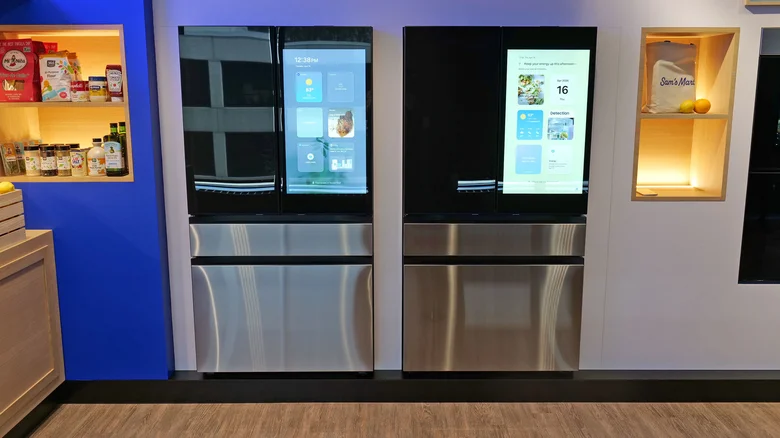
The most impactful change in this update is the integration of Google Gemini. This collaboration significantly expands the fridge’s intelligence. By combining Samsung’s existing on-device object recognition with Google’s powerful cloud-based models, the total number of identifiable foods has skyrocketed from just over 100 to more than 2,000. This means the fridge can now recognize a vast array of items, from common fruits and vegetables to niche ingredients like “Bull Head Shallot Sauce.” While this requires the fridge to be connected to Wi-Fi, it’s a small trade-off for the immense increase in functionality.
Beyond food recognition, Gemini also enhances voice controls. Users can now ask the fridge to adjust device settings, check details like water filter replacement dates, or even troubleshoot issues. In some cases, the fridge can play back a tutorial to guide users through solving a problem, making self-service more accessible and efficient.
Reliability AI: Proactive Maintenance and Remote Support
Another groundbreaking feature is the introduction of Reliability AI. This system is designed to monitor the fridge’s internal components and identify potential faults before they become serious problems. This proactive approach can prevent breakdowns and extend the appliance’s lifespan. In situations where servicing is required, the AI can provide detailed diagnostic information to repair agents, potentially allowing for remote fixes or significantly streamlining in-person repairs. For instance, if an icemaker is producing clumpy ice, Reliability AI could enable agents to remotely adjust water levels, saving a home visit. Samsung emphasizes that user consent is paramount, and owners must explicitly allow repair personnel to access their device health data.
Real-World Impact: A Glimpse into the Smart Kitchen of Tomorrow
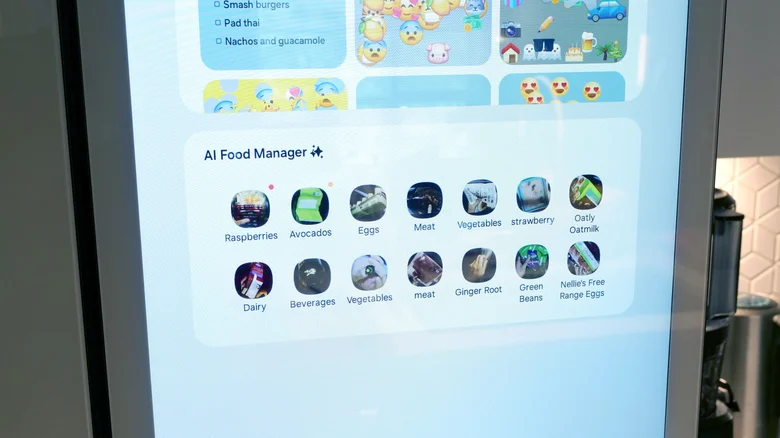
The real-world improvements are profound. The enhanced recognition capabilities mean the fridge can distinguish between different brands, like Diet Coke and Coke Zero, and accurately count multiple items. It even tracks the lifespan of fresh produce, like avocados, and sends notifications when they might be nearing expiration, serving as a helpful reminder to check on them. The system also learns user habits, suggesting items for a shopping list when frequently used staples are running low. This low-friction approach to grocery management means users can check their phone at the store instead of manually curating a list. Furthermore, with a more accurate inventory, the fridge can provide better recipe suggestions based on available ingredients.
Limitations and the Road Ahead
Despite these significant advancements, the new AI software isn’t without its quirks. Like many AI services today, it can occasionally be overconfident or prone to hallucinations. For example, it once misidentified a brightly colored bandage on a user’s finger as a vegetable. While these instances highlight areas for improvement, the leap from recognizing 100 items to over 2,000 is a substantial and welcome enhancement.
One interesting observation is that despite leveraging Google Gemini, Samsung has not explicitly branded the AI features with Gemini within the fridge interface. Bixby remains the primary digital assistant for direct interaction. This suggests a strategic decision by Samsung to maintain its own brand identity while integrating powerful third-party AI capabilities behind the scenes.
Conclusion
Samsung’s latest update to its Bespoke AI refrigerators represents a significant stride towards fulfilling the promise of truly smart home appliances. What once felt like a promising tech demo has evolved into a genuinely handy tool for grocery management, proactive maintenance, and enhanced kitchen convenience. While minor hiccups and areas for refinement remain, the integration of Google Gemini and the introduction of Reliability AI position Samsung at the forefront of intelligent kitchen technology, making the smart fridge an increasingly indispensable part of the modern home.
References
For more tech news and reviews, visit AI Breakthroughs: Meta, Google, and OpenAI on idigitalnews.com.