


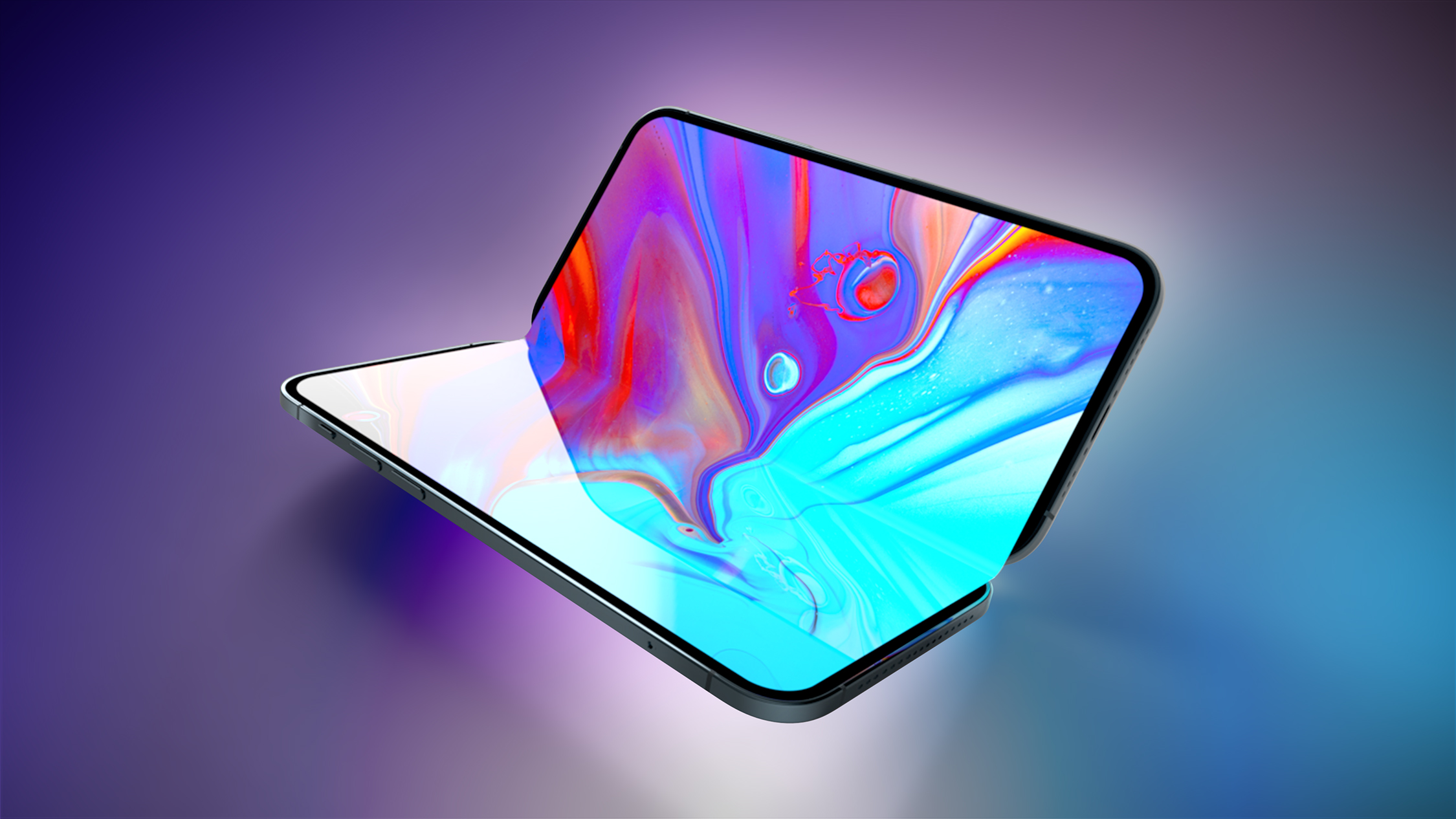
iPhone Ultra rumors are becoming more specific as Apple’s first foldable iPhone moves closer to launch. Two new MacRumors reports point to both internal naming chatter and leaked screen protector images that may reveal key parts of the device’s front design.
Bloomberg’s Mark Gurman reportedly said that “everyone” inside Apple refers to the foldable as iPhone Ultra internally, though he cautioned that this does not guarantee the final marketing name. Separately, leaker Ice Universe shared screen protector images that appear to show an unusual cover display shape for the foldable device.
Why the iPhone Ultra name matters
The iPhone Ultra name would carry a specific meaning in Apple’s lineup. The company already uses Ultra for products that sit above the normal premium tier, such as Apple Watch Ultra. Applying that label to a foldable iPhone would signal that Apple sees the device as more than another Pro model.
The naming is not without debate. MacRumors notes that Max Weinbach argued the Ultra name may not fit because Apple’s existing Ultra products usually represent the most capable version of a lineup. A foldable iPhone could be more expensive and more experimental without necessarily outperforming the iPhone Pro in every category.
That distinction is important. Foldables often trade simplicity for flexibility. They can offer a larger inner screen and new multitasking modes, but they may also have thicker bodies, higher repair costs, different camera compromises, and durability questions. Apple’s challenge is to make the Ultra label feel earned.
Screen protector leak points to asymmetric corners
The more visual rumor comes from leaked screen protectors. According to MacRumors, the accessory shows square corners on the side that would sit near the hinge and rounded corners on the opposite edge. That matches earlier rumors of a foldable design with a hinge on one side and a shorter, wider cover display.
Ice Universe later clarified that the protector may cover the entire glass panel rather than the exact active display area. The screen underneath is still expected to have symmetrical rounded corners and uniform bezels. Even with that caveat, the leaked shape gives one of the clearest hints yet at how Apple’s foldable cover display may be packaged.
The protector also reportedly includes a single punch-hole cutout for the front camera, positioned on the right side. If accurate, that would be a major break from Face ID-era iPhone design. MacRumors says the foldable is expected to use Touch ID rather than Face ID, clearing room for a smaller camera cutout.
Reported specifications suggest a true flagship price
Other rumors point to a 5.5-inch cover display, a 7.8-inch inner display, an A20 Pro chip, a 5,000mAh battery, dual 48-megapixel rear cameras, and 18-megapixel selfie cameras on both the inner and outer displays. None of those specifications are confirmed by Apple, but they show the expected ambition of the product.
The device is expected to debut alongside the iPhone 18 Pro lineup in mid-September, with a price of at least $2,000. That would make it one of Apple’s most expensive consumer devices outside the Mac and Vision Pro families. It would also place the foldable in direct competition with Samsung’s most premium foldables.
For Apple, the first foldable has to do more than prove that the company can bend a screen. It has to explain why iOS is better on a foldable canvas, why app developers should care, and why a buyer should choose it over a Pro Max or a tablet.
Apple enters foldables late but with leverage
Apple is arriving late to foldables compared with Samsung, Motorola, Honor, Oppo, and other Android manufacturers. That delay may frustrate some fans, but it also gives Apple time to learn from years of hinge failures, display creases, software problems, and durability complaints across the category.
The company also has enormous leverage with developers, accessory makers, carriers, and retail channels. If Apple launches a foldable, app support and mainstream awareness could improve quickly. The question is whether Apple can deliver enough polish in the first generation to avoid the rough edges that often affect new form factors.
The iPhone Ultra rumors now point to a device that is becoming less theoretical. The name may still change, and leaked accessories can be misleading, but the shape of Apple’s foldable strategy is coming into view: expensive, distinct, and positioned as a new top tier rather than a side experiment.