# Elon Musk vs. Sam Altman: The High-Stakes Trial That Could Reshape AI’s Future
The legal showdown between two of the tech world’s most influential figures, Elon Musk and Sam Altman, has reached its climactic phase. The highly anticipated trial, centered on the foundational mission of OpenAI, concluded its closing arguments this week, leaving a nine-person jury to deliberate on a verdict that could send seismic waves through the artificial intelligence industry. This article delves into the core allegations, the defense’s counterarguments, and the broader implications of this landmark case.
The Genesis of a Conflict: OpenAI’s Founding Principles
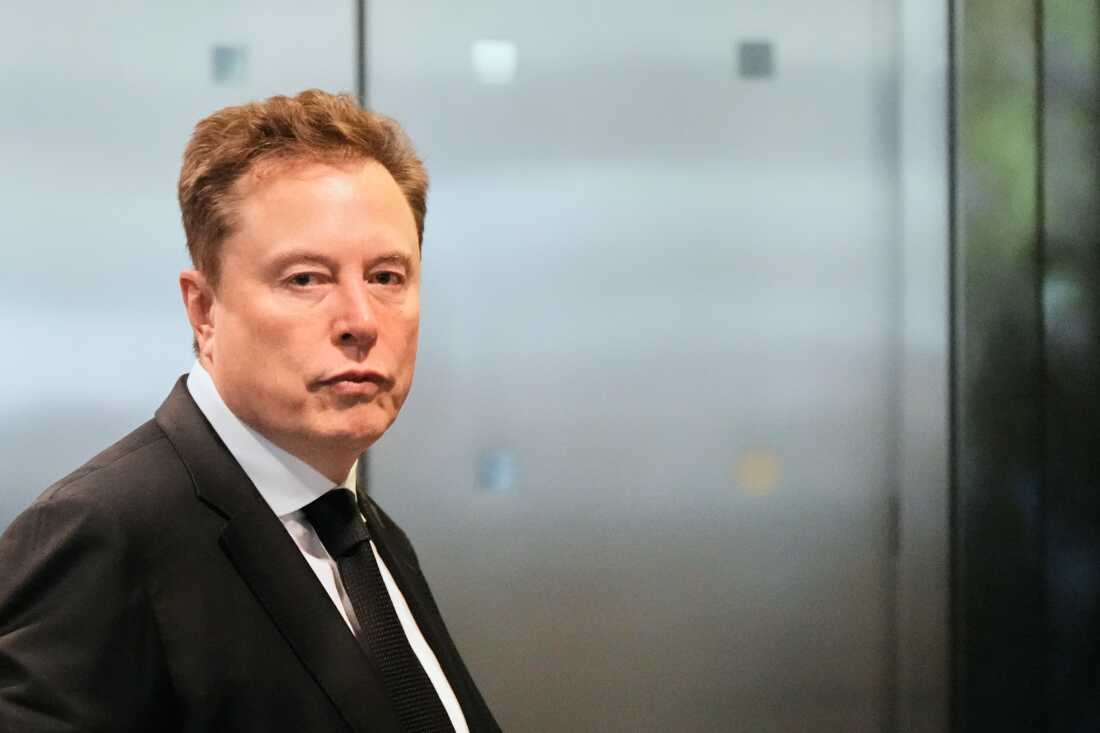
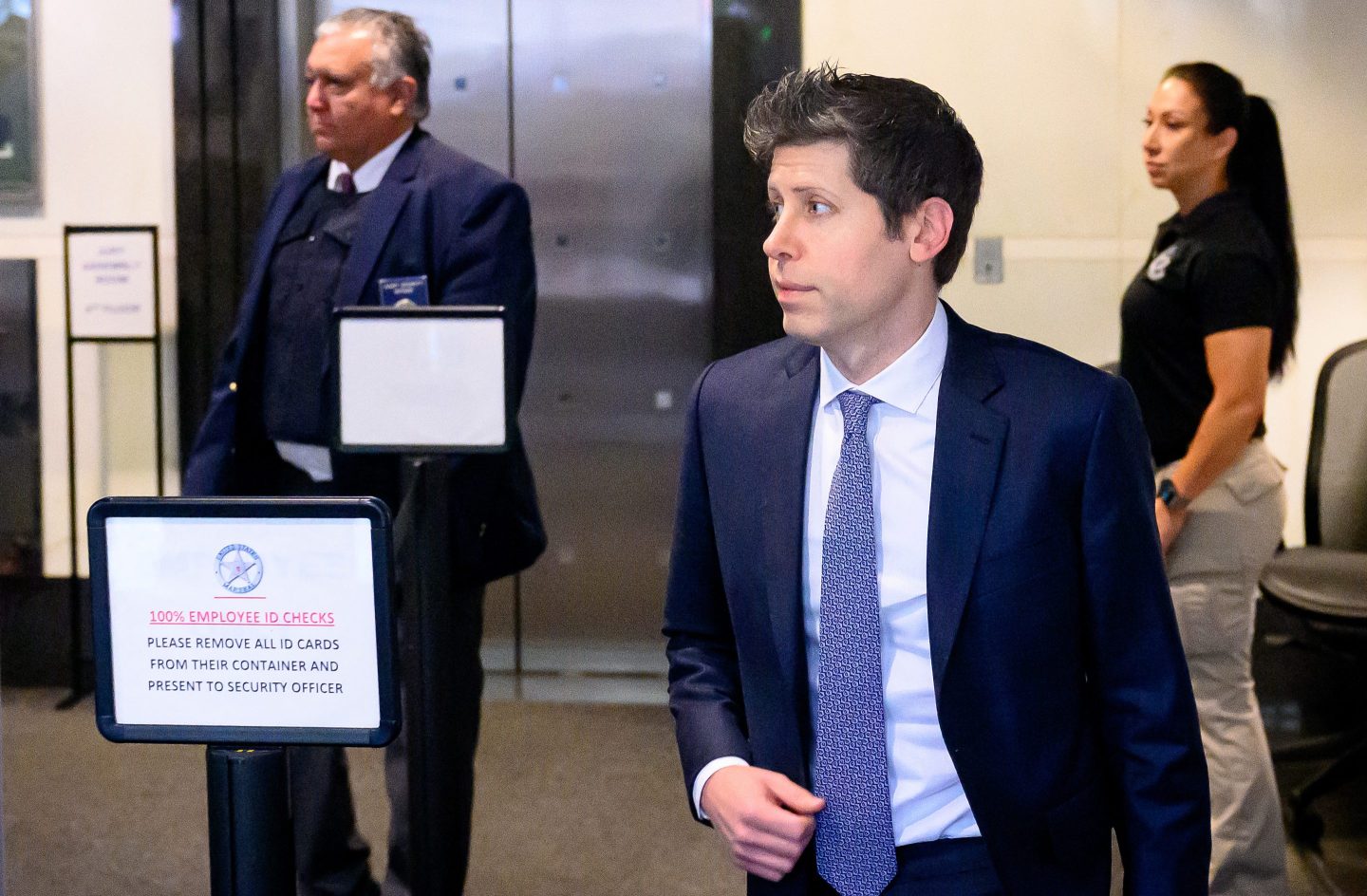
At the heart of the dispute is Elon Musk’s assertion that OpenAI, which he co-founded in 2015 with a significant financial contribution of approximately $38 million, has deviated from its original non-profit, open-source mission. Musk alleges that the company, under the leadership of CEO Sam Altman and President Greg Brockman, transformed into a for-profit entity, enriching its executives and investors, including Microsoft, at the expense of its charitable trust. The initial vision for OpenAI was to develop artificial general intelligence (AGI) for the benefit of humanity, free from corporate influence and proprietary restrictions [1].
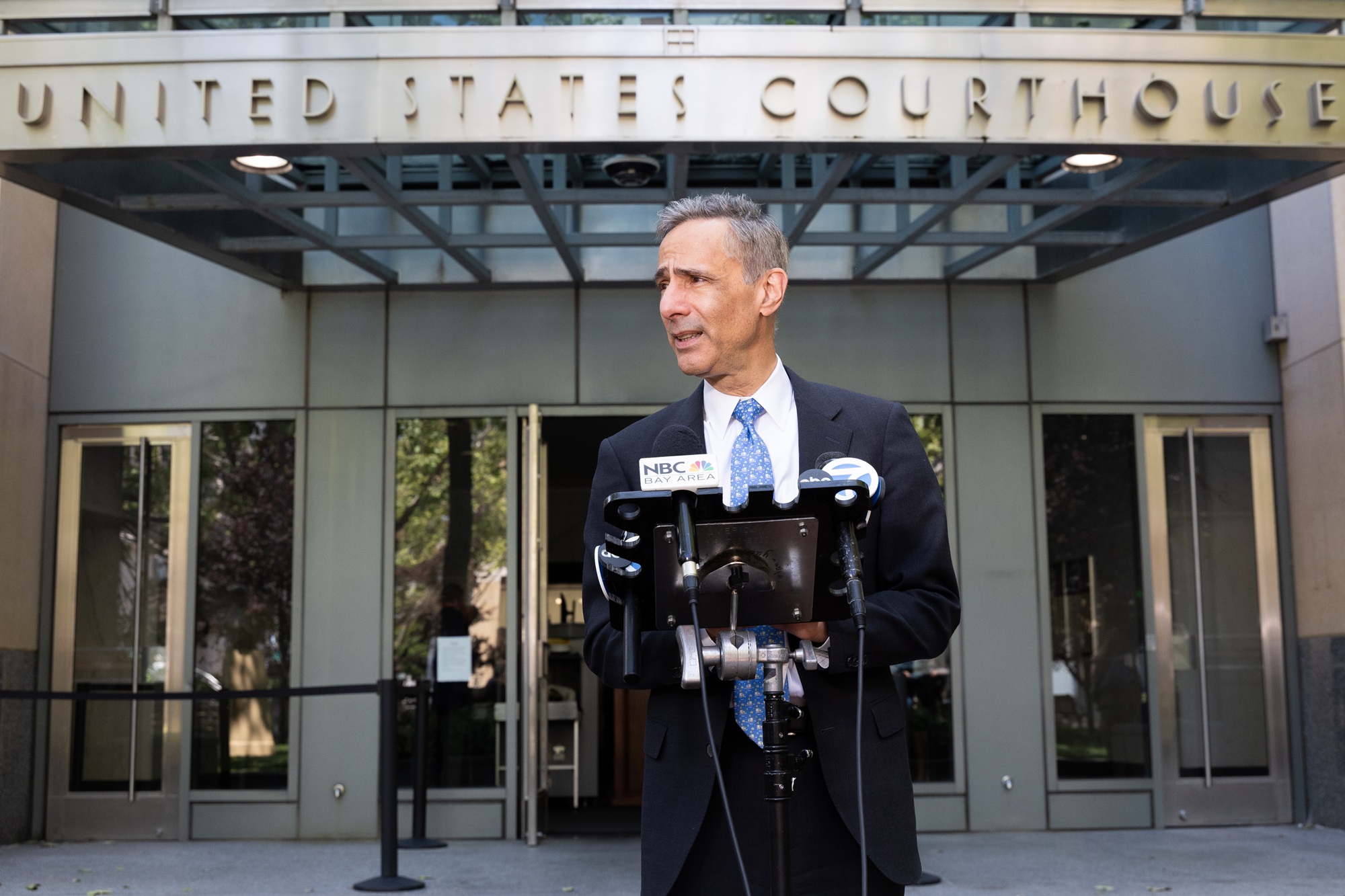
Musk’s legal team, led by Steven Molo, emphasized during closing arguments that OpenAI failed to uphold its commitment to open-sourcing its technology and prioritizing AI safety. They contended that the shift to a for-profit model was a betrayal of the founding principles and that the financial gains made by Altman, Brockman, and Microsoft were unauthorized and unjust [1].
OpenAI’s Defense: A Necessary Evolution for Survival
In response, OpenAI’s attorneys, Sarah Eddy and William Savitt, vehemently denied Musk’s claims. They argued that neither Altman nor Brockman ever made explicit commitments to Musk regarding OpenAI’s corporate structure that would preclude a for-profit transition. They maintained that Musk’s donations were appropriately utilized and that the lawsuit was primarily driven by Musk’s
jealousy after his failed attempt to take control of the AI lab and the subsequent launch of his competing AI startup, xAI [1].
OpenAI’s defense highlighted the necessity of securing substantial funding to compete in the rapidly evolving AI landscape. They argued that a purely non-profit model would have hindered their ability to attract top talent and acquire the computational resources required to develop advanced AI models. Attorney Sarah Eddy stated that the mission of OpenAI was larger than its initial structure, and without the necessary funds, the mission itself would have collapsed [2].
The Advisory Jury and Judge Gonzalez Rogers
The nine-person jury, composed of six women and three men, will deliver an advisory verdict to Judge Yvonne Gonzalez Rogers. This means that while the jury will weigh in on the liability, the final decision rests with the judge. Judge Gonzalez Rogers has a history of presiding over high-profile technology cases, including the antitrust dispute between Epic Games and Apple, which suggests her familiarity with complex tech-related legal battles [1].
The judge has maintained a firm stance throughout the trial, frequently admonishing lawyers for both sides when they strayed from the core arguments. Her decision to employ an advisory jury is seen by legal experts as a way to incorporate community judgment in a highly visible case, or to provide
“cover” for her final ruling [1].
Potential Outcomes and Industry Impact
The potential outcomes of this trial are vast and could significantly alter the trajectory of OpenAI and the broader AI industry. Musk has requested a range of remedies, including the removal of Altman and Brockman from their roles, the unwinding of OpenAI’s 2025 recapitalization, and the return of what he terms “ill-gotten gains” to the OpenAI foundation [1].
If the judge rules in Musk’s favor, it could force OpenAI to revert to its non-profit roots, potentially jeopardizing its $200 billion valuation and its ability to compete with tech giants like Google and Meta. Conversely, a victory for OpenAI would validate its current trajectory and solidify its position as a dominant force in the AI sector. Regardless of the outcome, the trial has exposed the deep ideological rifts within the AI community regarding the balance between rapid innovation and ethical responsibility [2].
As the jury deliberates, the tech world watches closely. The verdict in Musk v. Altman will not only determine the fate of OpenAI but also set a precedent for how AI companies balance their founding missions with the immense financial pressures of the industry. For more insights into the evolving landscape of AI, check out our recent coverage on AI Breakthroughs: Meta, Google, and OpenAI.
References
[1] CNBC. “Closing arguments conclude in Musk v. Altman, jury to deliberate next week.” https://www.cnbc.com/2026/05/14/closing-arguments-jury-openai-musk-altman.html
[2] Wired. “The Real Losers of the Musk v. Altman Trial.” https://www.wired.com/story/musk-v-altman-trial-closing-arguments/