




Summary
Gemini Notebook AI gardening assistant sounds like a small home experiment, but it points to a bigger shift in how personal AI tools may become useful.
Android Police writer Khumail Thakur described using Gemini Notebook as a gardening expert by uploading plant photos, asking Gemini to identify the plants, researching care requirements, and turning that information into a practical routine.
The idea is simple: instead of asking a chatbot one-off questions, build a notebook with the right sources, photos, local context, and follow-up tasks. That makes the AI more like a personal reference system than a search box.
Photos make the advice personal

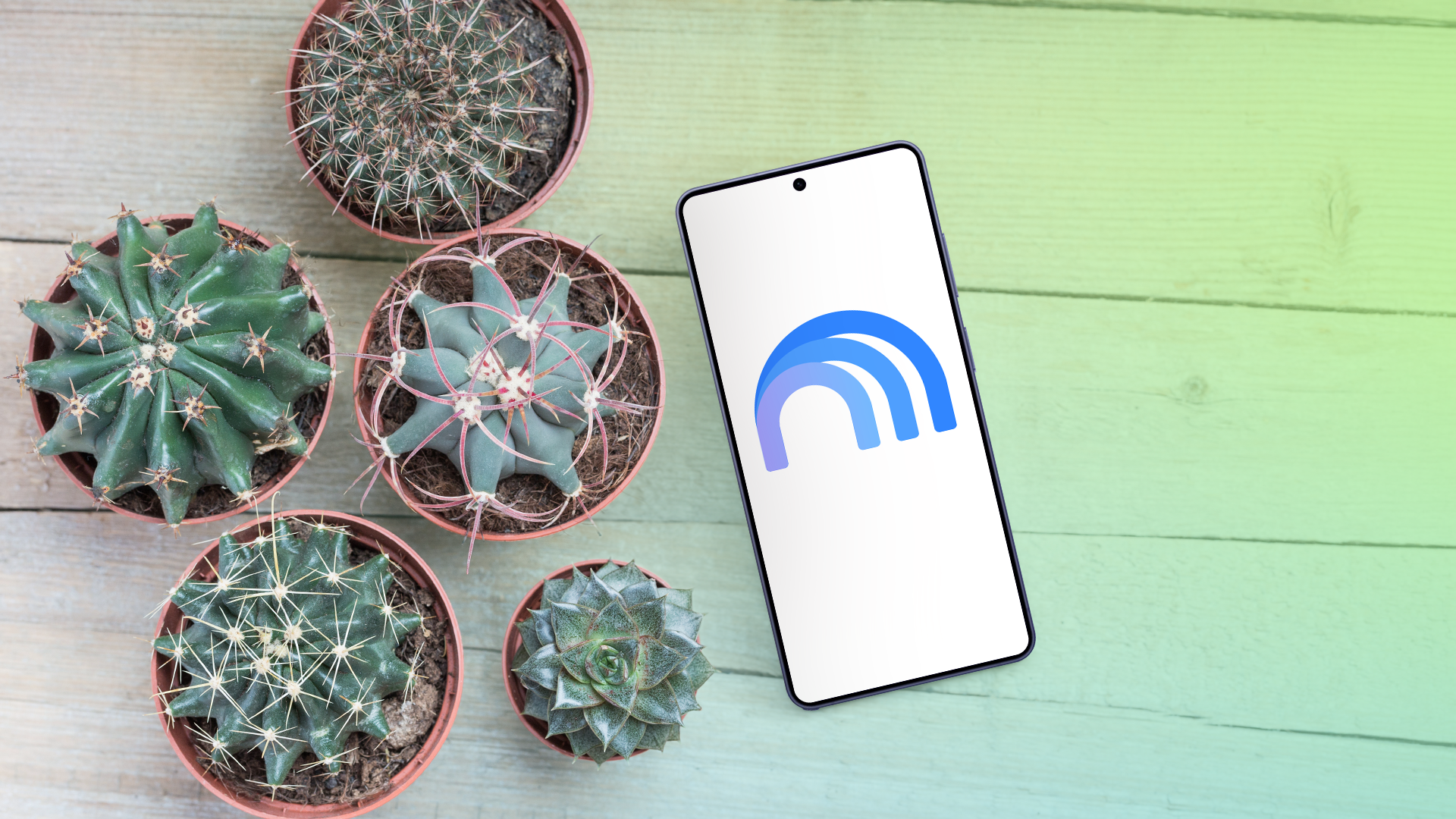
The workflow begins with photos. Thakur photographed plants clearly during the day, uploaded the images to Gemini Notebook, and used the AI to identify plant types and species.
That matters because plant care advice can be too generic. A watering schedule that works for one plant, room, or climate may damage another. A notebook grounded in actual plant photos can narrow the advice before deeper research begins.
Gemini Notebook was then used to collect relevant plant information as sources. This is an important safeguard. Instead of relying only on the model’s general memory, the notebook can refer back to selected material that the user has reviewed.
That source-first approach is especially useful for living things, where confident but wrong advice can cause damage. A plant-care notebook should not just identify a leaf shape; it should preserve the reason behind each recommendation so the user can check whether it fits the situation.
Context reduces bad advice
The strongest part of the Android Police example is not the AI identification. It is the added context. The user gave Gemini details about local climate, humidity, room temperature, sunlight, and plant position.
That is the difference between generic AI and useful personal AI. A plant in a humid tropical climate near an air conditioner faces different problems from a plant in a dry room beside a sunny window.
In one example, the notebook warned that soggy soil could lead to root rot and suggested drainage steps. In another, black margins and yellow halos on a Swiss Cheese Vine were linked to low humidity caused by air conditioning.
The task list is the real product
After the notebook understands the plants and the home environment, the next step is maintenance. Android Police notes that Gemini Notebook can produce daily, weekly, and monthly plant-care task lists, including watering, soil changes, fertilizing, and moving plants for sunlight.
That turns AI from advice into routine. Many people do not fail at plant care because they cannot find information. They fail because they forget timing, miss symptoms, or do not connect small changes to the right action.
There is still friction. The article notes that Gemini Notebook does not automatically create Google Tasks entries from the notebook, so users must manually move the schedule into a reminder app. That is a missing integration Google could improve.
That gap shows where personal AI still feels unfinished. The assistant can explain the plan, but the user still has to convert the plan into daily behavior. Stronger task integration would make the notebook feel less like advice and more like a household operating system.
Why this is bigger than gardening
Gardening is only the example. The same pattern can apply to pets, home maintenance, health routines, studying, travel planning, or managing a small business workflow.
A useful personal AI notebook needs four ingredients: real user data, trusted sources, local context, and repeatable actions. Without those, the experience becomes another chatbot session that may be forgotten after one answer.
The lesson for users is to treat AI notebooks as structured projects. Add photos, documents, locations, constraints, and verified sources. Then ask the AI to help maintain the routine, not just answer isolated questions.
Bottom line
Gemini Notebook as a gardening assistant shows how personal AI can become genuinely practical when it has memory, source material, and environmental context.
It will not magically save every plant, and users should still check the sources. But as a way to turn scattered plant-care advice into a living notebook and task routine, it is a strong example of where everyday AI is heading.
The best version of this workflow is not blind trust in AI. It is a loop: observe the plant, add fresh context, compare the advice with credible sources, take a small action, and record what changed. That loop is where personal AI becomes genuinely helpful.
Source: Android Police.