


Summary
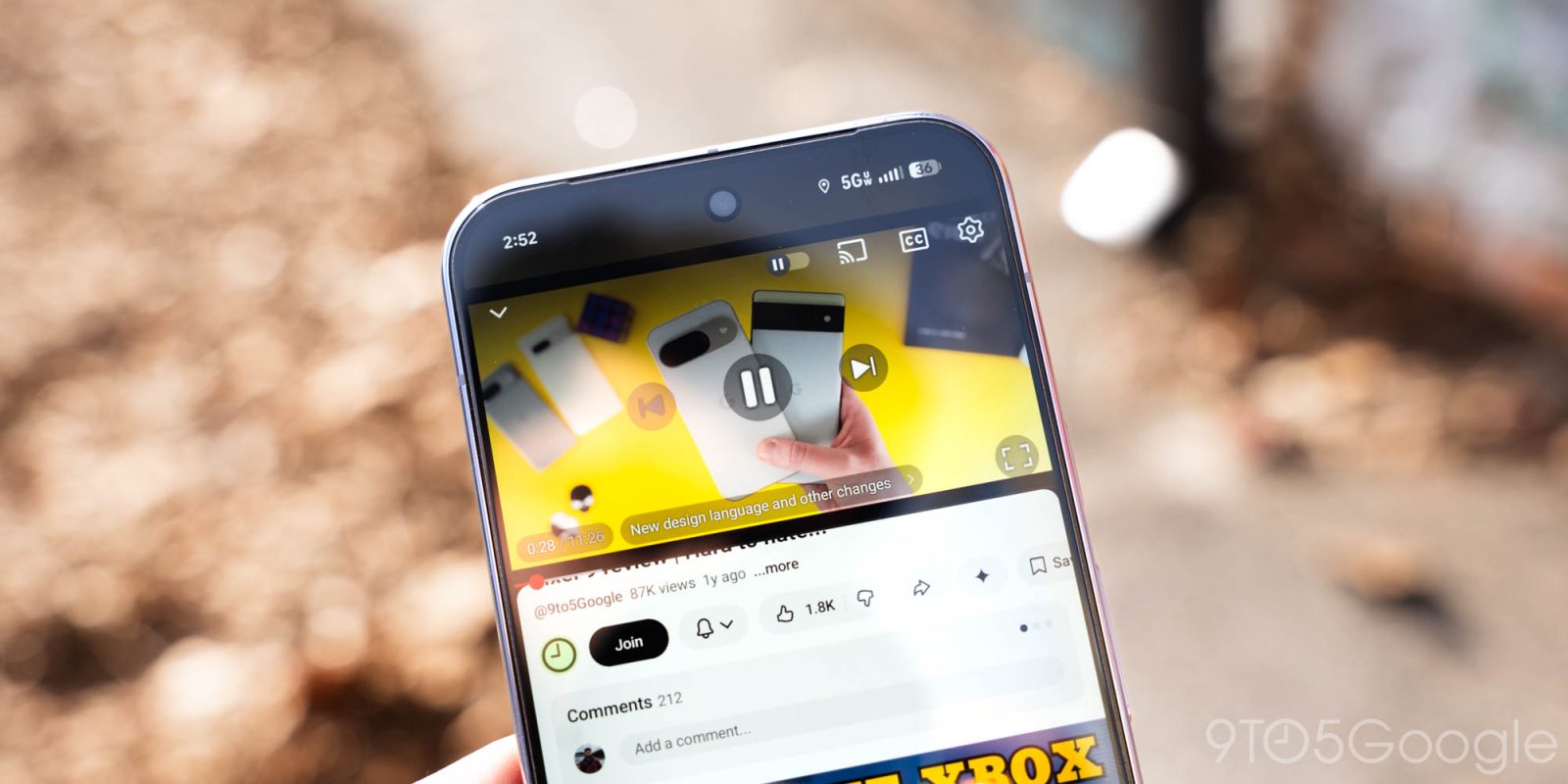
YouTube app-to-TV casting is getting a major refresh as Google changes how phones connect to televisions. According to 9to5Google, YouTube is moving toward a companion-device model that no longer requires both devices to be on the same Wi-Fi network. Instead, users need to be signed in to the same account on both devices.
That sounds like a small technical change, but it could reshape how people use YouTube in the living room. Casting has traditionally depended on local network discovery. If the phone and TV were on the same Wi-Fi network, the Cast icon made it easy to send a video across. The new account-based approach reduces that local-network friction and makes the phone feel more like a signed-in remote control.
What is changing in YouTube app-to-TV casting
The update includes several practical changes. 9to5Google reports that users will be able to cast without a shared Wi-Fi network when both devices are signed in to the same account. Users can also like videos, comment and subscribe while video continues playing in the background on the television.
YouTube is also adding a “Play on different device” option from the menu on videos in the home feed. This should make it easier to send a video to a TV without first starting playback on the phone. For people who browse on mobile but watch longer content on a larger screen, that reduces a familiar bit of friction.
Another change reflects modern viewing habits: users can watch Shorts on the phone while a different full-length video plays on the TV. That sounds busy, but it shows how YouTube is treating the phone as a second-screen companion rather than just a remote control.
Why Google is moving away from Wi-Fi discovery
Shared Wi-Fi discovery works well at home, but it can be inconsistent. Different networks, guest Wi-Fi, router settings, hotel connections, dorms and office networks can all make casting less reliable. Account-based pairing gives Google a more predictable way to connect devices because identity replaces local network proximity.
For private use, that can be better. If a user owns the TV, signs in on both devices, and wants a smooth living-room experience, YouTube app-to-TV pairing through the account may feel more modern than waiting for a Cast target to appear. It also makes YouTube’s TV experience more closely tied to profiles, watch history and recommendations.
The change also fits Google’s larger strategy. YouTube is not just a video site. It is a TV platform, a music platform, a Shorts platform and a subscription business. The more tightly YouTube connects phone and TV behavior, the more control it has over the full viewing session.
The caveat is shared viewing
The main concern is group use. Traditional casting is useful when multiple people in the same room want to send videos to one screen. A guest can join the Wi-Fi network and cast without signing into the owner’s account. If YouTube shifts too strongly toward account-based control, that social use case may become less convenient.
9to5Google notes that it is not fully clear whether generic Wi-Fi casting will remain available in the same way. That uncertainty matters because YouTube on TV is often a shared experience. People use it at parties, family gatherings, classrooms, meetings and casual hangouts. Account-based pairing is cleaner for personal viewing, but shared spaces need flexibility.
There is also a privacy angle. If the same account controls both devices, users may need to think more carefully about watch history, recommendations and subscriptions. A video sent to a family TV may influence the account’s recommendations later, unless profile management is clear.
A more modern second-screen experience
Despite the caveats, the update points in a sensible direction. People already browse on phones while watching television. YouTube is formalizing that behavior by letting the phone remain active while the TV continues playback. Likes, comments, subscriptions and Shorts browsing can happen without interrupting the main screen.
For creators, this could improve engagement from TV viewers. Watching on television has often been more passive than watching on mobile. If the phone becomes a companion surface, users may interact with videos more often while still enjoying the larger screen.
The rollout does not yet have a precise public timetable, but 9to5Google says the announcement suggests it is coming soon. The practical takeaway is clear: YouTube app-to-TV casting is becoming less about local Wi-Fi and more about account identity. That should make personal viewing smoother, but Google needs to preserve easy shared-room casting if it wants the new system to feel like an upgrade for everyone.
Source: 9to5Google