




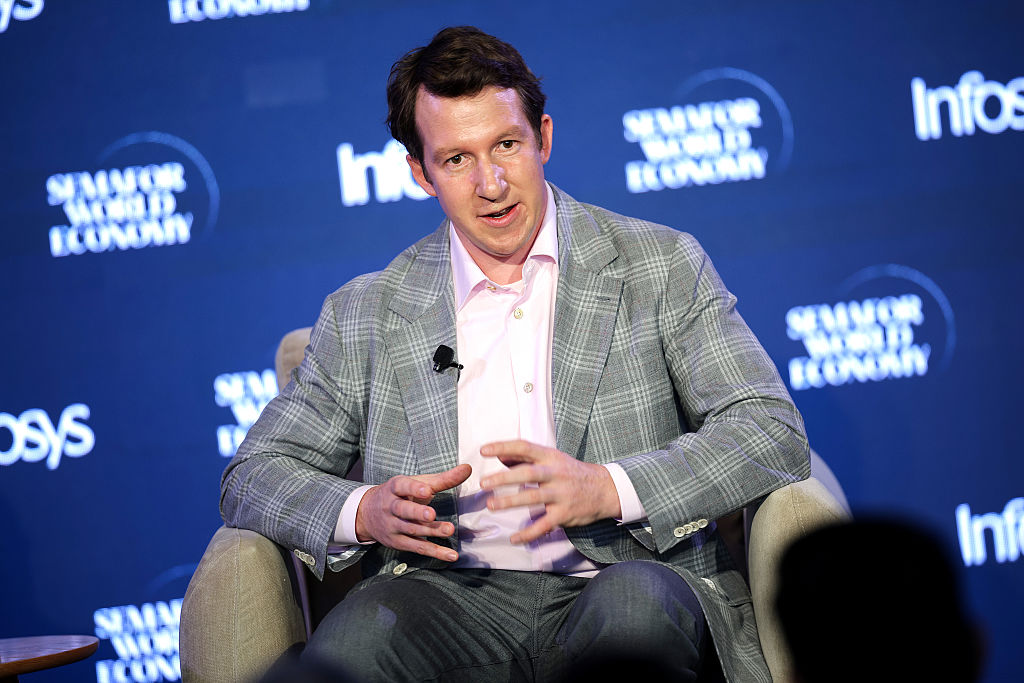
In a significant development that underscores the growing intersection of artificial intelligence and national security, Jack Clark, a co-founder of Anthropic and its Head of Public Benefit, has confirmed that the company briefed the Trump administration on its highly advanced and potentially dangerous AI model, Mythos. This revelation comes amidst increasing scrutiny of powerful AI systems and their implications for global stability and cybersecurity. The Mythos model, which Anthropic has deemed too potent for public release, possesses alleged powerful cybersecurity capabilities that have drawn the attention of government officials and raised concerns within the tech community.
The Unveiling of Anthropic Mythos: A Double-Edged Sword
Anthropic’s Mythos model, first announced last week, has quickly become a focal point of discussion due to its unprecedented capabilities. While the exact technical specifications remain under wraps, the company’s decision to withhold it from public access speaks volumes about its perceived risks. Clark’s confirmation of the briefing to the Trump administration highlights the critical need for dialogue between AI developers and policymakers regarding the responsible deployment of such powerful technologies. The model’s advanced cybersecurity features, while potentially beneficial for defense, also present a double-edged sword, raising questions about potential misuse and unintended consequences.
Navigating the Legal and Ethical Landscape: Anthropic’s Stance on National Security
The briefing to the Trump administration is particularly noteworthy given Anthropic’s recent legal battles with the U.S. government. In March, Anthropic filed a lawsuit against the Department of Defense (DOD) after being labeled a supply-chain risk. This dispute stemmed from disagreements over the military’s access to Anthropic’s AI systems for use cases such as mass surveillance and autonomous weapons. Despite these legal challenges, Clark emphasized Anthropic’s commitment to national security, framing the lawsuit as a “narrow contracting dispute” that should not overshadow the company’s broader engagement with the government on critical AI matters. He stated, “Our position is the government has to know about this stuff, and we have to find new ways for the government to partner with a private sector that is making things that are truly revolutionizing the economy, but are going to have aspects to them which hit National Security, equities, and other ones.” This nuanced approach underscores the complex ethical and practical considerations involved in developing and deploying cutting-edge AI.
Economic Implications and the Future of Work with Anthropic Mythos
Beyond national security, the discussion around Anthropic Mythos also touched upon its potential economic impact and the future of work. Anthropic CEO Dario Amodei has previously warned that AI advancements could lead to unemployment levels reminiscent of the Great Depression. However, Jack Clark offered a slightly different perspective, attributing Amodei’s estimations to a belief in AI’s rapid and unexpected power growth. Clark, who leads a team of economists at Anthropic, noted that the company is currently observing “some potential weakness in early graduate employment” in specific industries. He affirmed Anthropic’s preparedness for significant employment shifts, advocating for educational pursuits that emphasize “synthesis across a whole variety of subjects and analytical thinking.” This suggests a future where critical thinking and interdisciplinary knowledge will be paramount in a world increasingly shaped by advanced AI like Anthropic Mythos.
The Broader Impact of Advanced AI: Cybersecurity and Societal Shifts
The implications of models like Anthropic Mythos extend far beyond government briefings and economic forecasts. The alleged powerful cybersecurity capabilities of Mythos could redefine digital defense strategies, offering unprecedented tools to combat sophisticated cyber threats. However, this also necessitates robust ethical frameworks and regulatory oversight to prevent its weaponization or misuse. The ongoing dialogue between Anthropic and government bodies, as highlighted by Clark’s statements, is crucial for establishing these safeguards. As AI continues to evolve at an accelerated pace, the responsible development and deployment of such technologies will be paramount in shaping a future that balances innovation with societal well-being. The case of Anthropic Mythos serves as a stark reminder of the profound impact AI will have on every facet of our lives, from national security to the very structure of our economies.
Outbound and Internal Links
For further reading on the briefing, you can refer to the original report on [TechCrunch](https://techcrunch.com/2026/04/14/anthropic-co-founder-confirms-the-company-briefed-the-trump-administration-on-mythos/). For more insights into AI breakthroughs, consider reading our article on [AI Breakthroughs: Meta, Google, and OpenAI](https://idigitalnews.com/ai/ai-breakthroughs-meta-google-and-openai-unveil-future-shaping-innovations.html).
**Focus Keyword:** Anthropic Mythos **Meta Description:** Anthropic co-founder confirms briefing the Trump administration on Mythos, an AI model too dangerous for public release with powerful cybersecurity capabilities.