



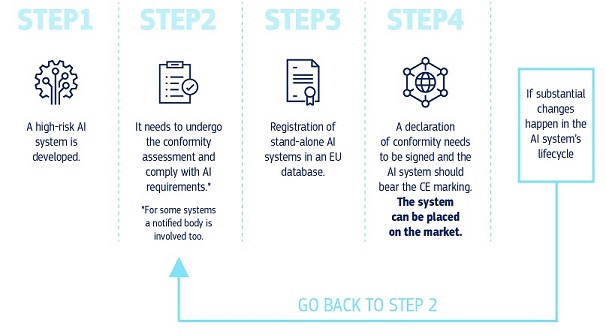
The European Union’s Artificial Intelligence Act (EU AI Act) is poised to reshape the landscape of AI development and deployment globally. With its implementation timeline drawing near, businesses worldwide are scrambling to understand and comply with the stringent new regulations. A critical aspect of this landmark legislation is the significant penalties for non-compliance, which could have profound financial and reputational consequences for companies operating within or serving the EU market.
Understanding the EU AI Act and Its Enforcement
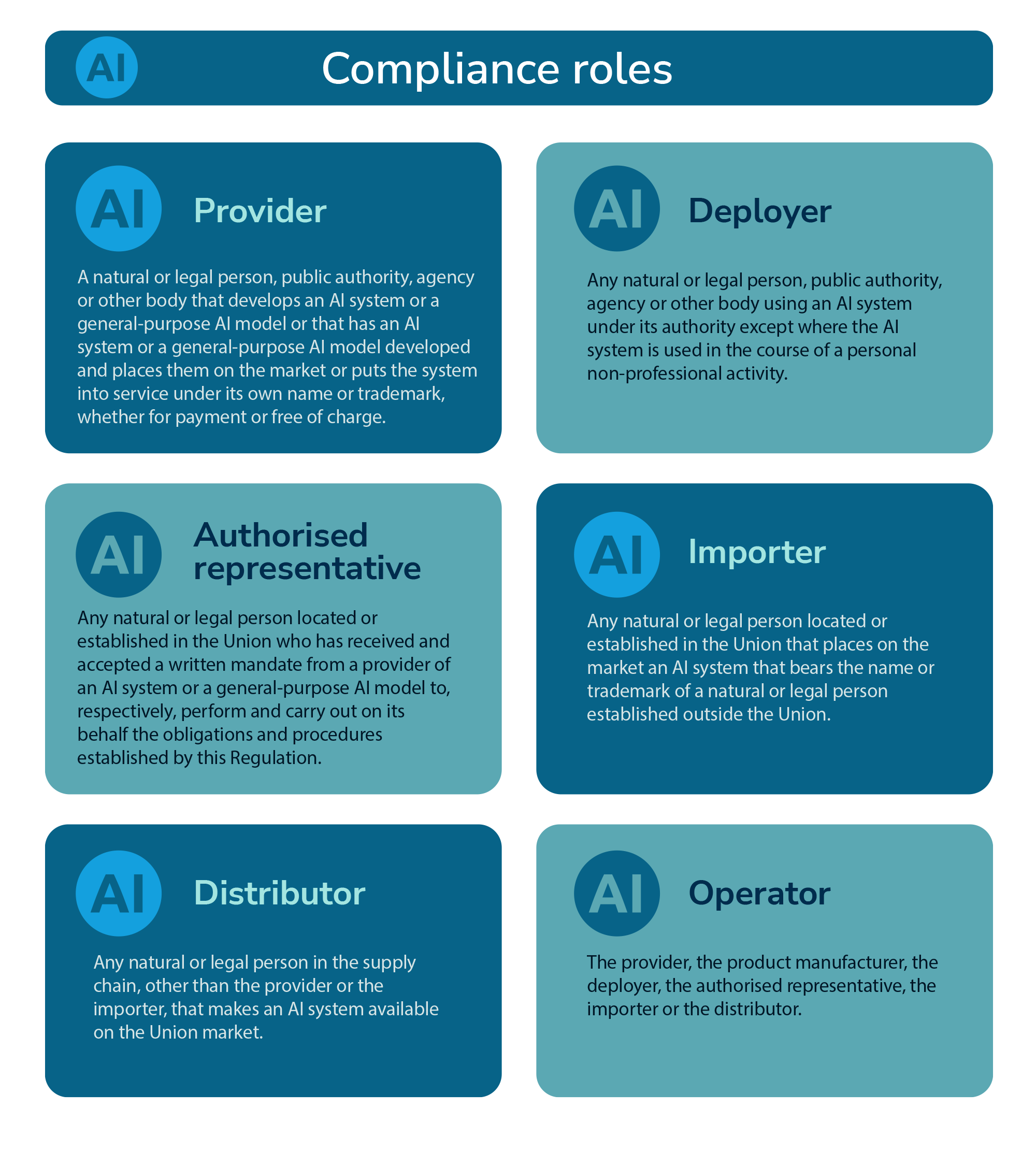
The EU AI Act is the world’s first comprehensive legal framework for artificial intelligence, aiming to ensure that AI systems are safe, transparent, non-discriminatory, and environmentally friendly. It categorizes AI systems based on their risk level, with stricter rules for high-risk applications. The Act’s enforcement mechanisms are designed to ensure adherence, with substantial fines serving as a deterrent against violations [1].
Stiff Penalties for Non-Compliance
The penalties for violating the EU AI Act are tiered, reflecting the severity and nature of the infringement. These fines are among the highest ever proposed for technology regulation, underscoring the EU’s commitment to responsible AI development. Companies found in breach could face penalties ranging from millions of Euros to a significant percentage of their global annual turnover [2].
Key Fine Tiers:
| Violation Type | Maximum Fine | Description |
|---|---|---|
| Non-compliance with prohibited AI practices | €35 Million or 7% of global annual turnover (whichever is higher) | Applies to the most severe infringements, such as placing on the market or putting into service AI systems that manipulate human behavior or exploit vulnerabilities. |
| Non-compliance with data governance or technical requirements | €15 Million or 3% of global annual turnover (whichever is higher) | Covers violations related to data quality, transparency, human oversight, and robustness of high-risk AI systems. |
| Supplying incorrect, incomplete, or misleading information to authorities | €7.5 Million or 1.5% of global annual turnover (whichever is higher) | Pertains to administrative non-compliance, such as failing to provide accurate documentation or cooperate with market surveillance authorities. |
These figures highlight the critical need for businesses to prioritize compliance strategies. The August 2, 2026, deadline marks a significant shift from guidance to accountability, with fines potentially reaching up to 7% of a company’s global revenue [3].

Preparing for the Future of AI Regulation
To mitigate risks and ensure compliance, organizations should:
- Conduct thorough assessments of their AI systems to identify and classify risks.
- Implement robust data governance frameworks and ensure data quality.
- Establish clear human oversight mechanisms for high-risk AI applications.
- Develop comprehensive documentation and transparency measures.
- Stay informed about evolving guidelines and best practices from regulatory bodies.
The EU AI Act represents a pivotal moment in the regulation of artificial intelligence. While the penalties for non-compliance are substantial, they underscore the importance of developing and deploying AI responsibly. By proactively addressing the requirements of the Act, businesses can not only avoid hefty fines but also build trust and foster innovation in the rapidly evolving AI landscape.