


For more information on the technical specifications and deployment options for Daybreak, visit the official OpenAI Daybreak page.
As we move deeper into the intelligence age, the tools we use to defend our digital infrastructure must evolve alongside the threats we face. OpenAI Daybreak represents a significant milestone in this evolution. By empowering cyber defenders with frontier AI intelligence, OpenAI is helping to create a world where software is not just built, but is inherently resilient and secure by design. For more insights into the latest AI breakthroughs, you can explore our report on AI Breakthroughs from Meta, Google, and OpenAI.
For more information on the technical specifications and deployment options for Daybreak, visit the official OpenAI Daybreak page.
As we move deeper into the intelligence age, the tools we use to defend our digital infrastructure must evolve alongside the threats we face. OpenAI Daybreak represents a significant milestone in this evolution. By empowering cyber defenders with frontier AI intelligence, OpenAI is helping to create a world where software is not just built, but is inherently resilient and secure by design. For more insights into the latest AI breakthroughs, you can explore our report on AI Breakthroughs from Meta, Google, and OpenAI.
For more information on the technical specifications and deployment options for Daybreak, visit the official OpenAI Daybreak page.
Conclusion: Building a Safer Intelligence Age
As we move deeper into the intelligence age, the tools we use to defend our digital infrastructure must evolve alongside the threats we face. OpenAI Daybreak represents a significant milestone in this evolution. By empowering cyber defenders with frontier AI intelligence, OpenAI is helping to create a world where software is not just built, but is inherently resilient and secure by design. For more insights into the latest AI breakthroughs, you can explore our report on AI Breakthroughs from Meta, Google, and OpenAI.
For more information on the technical specifications and deployment options for Daybreak, visit the official OpenAI Daybreak page.
Conclusion: Building a Safer Intelligence Age
As we move deeper into the intelligence age, the tools we use to defend our digital infrastructure must evolve alongside the threats we face. OpenAI Daybreak represents a significant milestone in this evolution. By empowering cyber defenders with frontier AI intelligence, OpenAI is helping to create a world where software is not just built, but is inherently resilient and secure by design. For more insights into the latest AI breakthroughs, you can explore our report on AI Breakthroughs from Meta, Google, and OpenAI.
For more information on the technical specifications and deployment options for Daybreak, visit the official OpenAI Daybreak page.
According to Dane Knecht, CTO of Cloudflare, “We’re excited about the potential of OpenAI’s cyber capabilities to bring stronger reasoning and more agentic execution into security workflows. It’s a big step forward for teams to be able to leverage frontier models not only to accelerate velocity, but also to improve their security posture.”
Conclusion: Building a Safer Intelligence Age
As we move deeper into the intelligence age, the tools we use to defend our digital infrastructure must evolve alongside the threats we face. OpenAI Daybreak represents a significant milestone in this evolution. By empowering cyber defenders with frontier AI intelligence, OpenAI is helping to create a world where software is not just built, but is inherently resilient and secure by design. For more insights into the latest AI breakthroughs, you can explore our report on AI Breakthroughs from Meta, Google, and OpenAI.
For more information on the technical specifications and deployment options for Daybreak, visit the official OpenAI Daybreak page.
According to Dane Knecht, CTO of Cloudflare, “We’re excited about the potential of OpenAI’s cyber capabilities to bring stronger reasoning and more agentic execution into security workflows. It’s a big step forward for teams to be able to leverage frontier models not only to accelerate velocity, but also to improve their security posture.”
Conclusion: Building a Safer Intelligence Age
As we move deeper into the intelligence age, the tools we use to defend our digital infrastructure must evolve alongside the threats we face. OpenAI Daybreak represents a significant milestone in this evolution. By empowering cyber defenders with frontier AI intelligence, OpenAI is helping to create a world where software is not just built, but is inherently resilient and secure by design. For more insights into the latest AI breakthroughs, you can explore our report on AI Breakthroughs from Meta, Google, and OpenAI.
For more information on the technical specifications and deployment options for Daybreak, visit the official OpenAI Daybreak page.
OpenAI is not going at it alone. The OpenAI Daybreak initiative involves close collaboration with both industry and government partners. This “security flywheel” approach ensures that the intelligence of OpenAI’s models is augmented by the real-world expertise of leading security organizations. Companies like Palo Alto Networks, Zscaler, and Akamai are already exploring how to integrate these frontier capabilities into their own security postures.
According to Dane Knecht, CTO of Cloudflare, “We’re excited about the potential of OpenAI’s cyber capabilities to bring stronger reasoning and more agentic execution into security workflows. It’s a big step forward for teams to be able to leverage frontier models not only to accelerate velocity, but also to improve their security posture.”
Conclusion: Building a Safer Intelligence Age
As we move deeper into the intelligence age, the tools we use to defend our digital infrastructure must evolve alongside the threats we face. OpenAI Daybreak represents a significant milestone in this evolution. By empowering cyber defenders with frontier AI intelligence, OpenAI is helping to create a world where software is not just built, but is inherently resilient and secure by design. For more insights into the latest AI breakthroughs, you can explore our report on AI Breakthroughs from Meta, Google, and OpenAI.
For more information on the technical specifications and deployment options for Daybreak, visit the official OpenAI Daybreak page.
OpenAI is not going at it alone. The OpenAI Daybreak initiative involves close collaboration with both industry and government partners. This “security flywheel” approach ensures that the intelligence of OpenAI’s models is augmented by the real-world expertise of leading security organizations. Companies like Palo Alto Networks, Zscaler, and Akamai are already exploring how to integrate these frontier capabilities into their own security postures.
According to Dane Knecht, CTO of Cloudflare, “We’re excited about the potential of OpenAI’s cyber capabilities to bring stronger reasoning and more agentic execution into security workflows. It’s a big step forward for teams to be able to leverage frontier models not only to accelerate velocity, but also to improve their security posture.”
Conclusion: Building a Safer Intelligence Age
As we move deeper into the intelligence age, the tools we use to defend our digital infrastructure must evolve alongside the threats we face. OpenAI Daybreak represents a significant milestone in this evolution. By empowering cyber defenders with frontier AI intelligence, OpenAI is helping to create a world where software is not just built, but is inherently resilient and secure by design. For more insights into the latest AI breakthroughs, you can explore our report on AI Breakthroughs from Meta, Google, and OpenAI.
For more information on the technical specifications and deployment options for Daybreak, visit the official OpenAI Daybreak page.
A Collaborative Ecosystem for Global Security
OpenAI is not going at it alone. The OpenAI Daybreak initiative involves close collaboration with both industry and government partners. This “security flywheel” approach ensures that the intelligence of OpenAI’s models is augmented by the real-world expertise of leading security organizations. Companies like Palo Alto Networks, Zscaler, and Akamai are already exploring how to integrate these frontier capabilities into their own security postures.
According to Dane Knecht, CTO of Cloudflare, “We’re excited about the potential of OpenAI’s cyber capabilities to bring stronger reasoning and more agentic execution into security workflows. It’s a big step forward for teams to be able to leverage frontier models not only to accelerate velocity, but also to improve their security posture.”
Conclusion: Building a Safer Intelligence Age
As we move deeper into the intelligence age, the tools we use to defend our digital infrastructure must evolve alongside the threats we face. OpenAI Daybreak represents a significant milestone in this evolution. By empowering cyber defenders with frontier AI intelligence, OpenAI is helping to create a world where software is not just built, but is inherently resilient and secure by design. For more insights into the latest AI breakthroughs, you can explore our report on AI Breakthroughs from Meta, Google, and OpenAI.
For more information on the technical specifications and deployment options for Daybreak, visit the official OpenAI Daybreak page.
A Collaborative Ecosystem for Global Security
OpenAI is not going at it alone. The OpenAI Daybreak initiative involves close collaboration with both industry and government partners. This “security flywheel” approach ensures that the intelligence of OpenAI’s models is augmented by the real-world expertise of leading security organizations. Companies like Palo Alto Networks, Zscaler, and Akamai are already exploring how to integrate these frontier capabilities into their own security postures.
According to Dane Knecht, CTO of Cloudflare, “We’re excited about the potential of OpenAI’s cyber capabilities to bring stronger reasoning and more agentic execution into security workflows. It’s a big step forward for teams to be able to leverage frontier models not only to accelerate velocity, but also to improve their security posture.”
Conclusion: Building a Safer Intelligence Age
As we move deeper into the intelligence age, the tools we use to defend our digital infrastructure must evolve alongside the threats we face. OpenAI Daybreak represents a significant milestone in this evolution. By empowering cyber defenders with frontier AI intelligence, OpenAI is helping to create a world where software is not just built, but is inherently resilient and secure by design. For more insights into the latest AI breakthroughs, you can explore our report on AI Breakthroughs from Meta, Google, and OpenAI.
For more information on the technical specifications and deployment options for Daybreak, visit the official OpenAI Daybreak page.
As noted in our previous coverage of Anthropic’s Claude Mythos, the race for AI-driven security is heating up. OpenAI’s approach emphasizes “Trusted Access,” ensuring that the most powerful cyber-capable models are used responsibly by verified defenders while maintaining rigorous safeguards against misuse.
A Collaborative Ecosystem for Global Security
OpenAI is not going at it alone. The OpenAI Daybreak initiative involves close collaboration with both industry and government partners. This “security flywheel” approach ensures that the intelligence of OpenAI’s models is augmented by the real-world expertise of leading security organizations. Companies like Palo Alto Networks, Zscaler, and Akamai are already exploring how to integrate these frontier capabilities into their own security postures.
According to Dane Knecht, CTO of Cloudflare, “We’re excited about the potential of OpenAI’s cyber capabilities to bring stronger reasoning and more agentic execution into security workflows. It’s a big step forward for teams to be able to leverage frontier models not only to accelerate velocity, but also to improve their security posture.”
Conclusion: Building a Safer Intelligence Age
As we move deeper into the intelligence age, the tools we use to defend our digital infrastructure must evolve alongside the threats we face. OpenAI Daybreak represents a significant milestone in this evolution. By empowering cyber defenders with frontier AI intelligence, OpenAI is helping to create a world where software is not just built, but is inherently resilient and secure by design. For more insights into the latest AI breakthroughs, you can explore our report on AI Breakthroughs from Meta, Google, and OpenAI.
For more information on the technical specifications and deployment options for Daybreak, visit the official OpenAI Daybreak page.
As noted in our previous coverage of Anthropic’s Claude Mythos, the race for AI-driven security is heating up. OpenAI’s approach emphasizes “Trusted Access,” ensuring that the most powerful cyber-capable models are used responsibly by verified defenders while maintaining rigorous safeguards against misuse.
A Collaborative Ecosystem for Global Security
OpenAI is not going at it alone. The OpenAI Daybreak initiative involves close collaboration with both industry and government partners. This “security flywheel” approach ensures that the intelligence of OpenAI’s models is augmented by the real-world expertise of leading security organizations. Companies like Palo Alto Networks, Zscaler, and Akamai are already exploring how to integrate these frontier capabilities into their own security postures.
According to Dane Knecht, CTO of Cloudflare, “We’re excited about the potential of OpenAI’s cyber capabilities to bring stronger reasoning and more agentic execution into security workflows. It’s a big step forward for teams to be able to leverage frontier models not only to accelerate velocity, but also to improve their security posture.”
Conclusion: Building a Safer Intelligence Age
As we move deeper into the intelligence age, the tools we use to defend our digital infrastructure must evolve alongside the threats we face. OpenAI Daybreak represents a significant milestone in this evolution. By empowering cyber defenders with frontier AI intelligence, OpenAI is helping to create a world where software is not just built, but is inherently resilient and secure by design. For more insights into the latest AI breakthroughs, you can explore our report on AI Breakthroughs from Meta, Google, and OpenAI.
For more information on the technical specifications and deployment options for Daybreak, visit the official OpenAI Daybreak page.
The launch of OpenAI Daybreak is widely seen as a competitive response to Anthropic’s Claude Mythos and its associated Project Glasswing. While Anthropic initially claimed Claude Mythos was too dangerous for public release, OpenAI has opted for a more structured, iterative deployment strategy. By partnering with industry leaders like Cloudflare, Cisco, and CrowdStrike, OpenAI is positioning Daybreak as a collaborative ecosystem rather than a standalone model.
As noted in our previous coverage of Anthropic’s Claude Mythos, the race for AI-driven security is heating up. OpenAI’s approach emphasizes “Trusted Access,” ensuring that the most powerful cyber-capable models are used responsibly by verified defenders while maintaining rigorous safeguards against misuse.
A Collaborative Ecosystem for Global Security
OpenAI is not going at it alone. The OpenAI Daybreak initiative involves close collaboration with both industry and government partners. This “security flywheel” approach ensures that the intelligence of OpenAI’s models is augmented by the real-world expertise of leading security organizations. Companies like Palo Alto Networks, Zscaler, and Akamai are already exploring how to integrate these frontier capabilities into their own security postures.
According to Dane Knecht, CTO of Cloudflare, “We’re excited about the potential of OpenAI’s cyber capabilities to bring stronger reasoning and more agentic execution into security workflows. It’s a big step forward for teams to be able to leverage frontier models not only to accelerate velocity, but also to improve their security posture.”
Conclusion: Building a Safer Intelligence Age
As we move deeper into the intelligence age, the tools we use to defend our digital infrastructure must evolve alongside the threats we face. OpenAI Daybreak represents a significant milestone in this evolution. By empowering cyber defenders with frontier AI intelligence, OpenAI is helping to create a world where software is not just built, but is inherently resilient and secure by design. For more insights into the latest AI breakthroughs, you can explore our report on AI Breakthroughs from Meta, Google, and OpenAI.
For more information on the technical specifications and deployment options for Daybreak, visit the official OpenAI Daybreak page.
The launch of OpenAI Daybreak is widely seen as a competitive response to Anthropic’s Claude Mythos and its associated Project Glasswing. While Anthropic initially claimed Claude Mythos was too dangerous for public release, OpenAI has opted for a more structured, iterative deployment strategy. By partnering with industry leaders like Cloudflare, Cisco, and CrowdStrike, OpenAI is positioning Daybreak as a collaborative ecosystem rather than a standalone model.
As noted in our previous coverage of Anthropic’s Claude Mythos, the race for AI-driven security is heating up. OpenAI’s approach emphasizes “Trusted Access,” ensuring that the most powerful cyber-capable models are used responsibly by verified defenders while maintaining rigorous safeguards against misuse.
A Collaborative Ecosystem for Global Security
OpenAI is not going at it alone. The OpenAI Daybreak initiative involves close collaboration with both industry and government partners. This “security flywheel” approach ensures that the intelligence of OpenAI’s models is augmented by the real-world expertise of leading security organizations. Companies like Palo Alto Networks, Zscaler, and Akamai are already exploring how to integrate these frontier capabilities into their own security postures.
According to Dane Knecht, CTO of Cloudflare, “We’re excited about the potential of OpenAI’s cyber capabilities to bring stronger reasoning and more agentic execution into security workflows. It’s a big step forward for teams to be able to leverage frontier models not only to accelerate velocity, but also to improve their security posture.”
Conclusion: Building a Safer Intelligence Age
As we move deeper into the intelligence age, the tools we use to defend our digital infrastructure must evolve alongside the threats we face. OpenAI Daybreak represents a significant milestone in this evolution. By empowering cyber defenders with frontier AI intelligence, OpenAI is helping to create a world where software is not just built, but is inherently resilient and secure by design. For more insights into the latest AI breakthroughs, you can explore our report on AI Breakthroughs from Meta, Google, and OpenAI.
For more information on the technical specifications and deployment options for Daybreak, visit the official OpenAI Daybreak page.

The launch of OpenAI Daybreak is widely seen as a competitive response to Anthropic’s Claude Mythos and its associated Project Glasswing. While Anthropic initially claimed Claude Mythos was too dangerous for public release, OpenAI has opted for a more structured, iterative deployment strategy. By partnering with industry leaders like Cloudflare, Cisco, and CrowdStrike, OpenAI is positioning Daybreak as a collaborative ecosystem rather than a standalone model.
As noted in our previous coverage of Anthropic’s Claude Mythos, the race for AI-driven security is heating up. OpenAI’s approach emphasizes “Trusted Access,” ensuring that the most powerful cyber-capable models are used responsibly by verified defenders while maintaining rigorous safeguards against misuse.
A Collaborative Ecosystem for Global Security
OpenAI is not going at it alone. The OpenAI Daybreak initiative involves close collaboration with both industry and government partners. This “security flywheel” approach ensures that the intelligence of OpenAI’s models is augmented by the real-world expertise of leading security organizations. Companies like Palo Alto Networks, Zscaler, and Akamai are already exploring how to integrate these frontier capabilities into their own security postures.
According to Dane Knecht, CTO of Cloudflare, “We’re excited about the potential of OpenAI’s cyber capabilities to bring stronger reasoning and more agentic execution into security workflows. It’s a big step forward for teams to be able to leverage frontier models not only to accelerate velocity, but also to improve their security posture.”
Conclusion: Building a Safer Intelligence Age
As we move deeper into the intelligence age, the tools we use to defend our digital infrastructure must evolve alongside the threats we face. OpenAI Daybreak represents a significant milestone in this evolution. By empowering cyber defenders with frontier AI intelligence, OpenAI is helping to create a world where software is not just built, but is inherently resilient and secure by design. For more insights into the latest AI breakthroughs, you can explore our report on AI Breakthroughs from Meta, Google, and OpenAI.
For more information on the technical specifications and deployment options for Daybreak, visit the official OpenAI Daybreak page.
The launch of OpenAI Daybreak is widely seen as a competitive response to Anthropic’s Claude Mythos and its associated Project Glasswing. While Anthropic initially claimed Claude Mythos was too dangerous for public release, OpenAI has opted for a more structured, iterative deployment strategy. By partnering with industry leaders like Cloudflare, Cisco, and CrowdStrike, OpenAI is positioning Daybreak as a collaborative ecosystem rather than a standalone model.
As noted in our previous coverage of Anthropic’s Claude Mythos, the race for AI-driven security is heating up. OpenAI’s approach emphasizes “Trusted Access,” ensuring that the most powerful cyber-capable models are used responsibly by verified defenders while maintaining rigorous safeguards against misuse.
A Collaborative Ecosystem for Global Security
OpenAI is not going at it alone. The OpenAI Daybreak initiative involves close collaboration with both industry and government partners. This “security flywheel” approach ensures that the intelligence of OpenAI’s models is augmented by the real-world expertise of leading security organizations. Companies like Palo Alto Networks, Zscaler, and Akamai are already exploring how to integrate these frontier capabilities into their own security postures.
According to Dane Knecht, CTO of Cloudflare, “We’re excited about the potential of OpenAI’s cyber capabilities to bring stronger reasoning and more agentic execution into security workflows. It’s a big step forward for teams to be able to leverage frontier models not only to accelerate velocity, but also to improve their security posture.”
Conclusion: Building a Safer Intelligence Age
As we move deeper into the intelligence age, the tools we use to defend our digital infrastructure must evolve alongside the threats we face. OpenAI Daybreak represents a significant milestone in this evolution. By empowering cyber defenders with frontier AI intelligence, OpenAI is helping to create a world where software is not just built, but is inherently resilient and secure by design. For more insights into the latest AI breakthroughs, you can explore our report on AI Breakthroughs from Meta, Google, and OpenAI.
For more information on the technical specifications and deployment options for Daybreak, visit the official OpenAI Daybreak page.
The Competitive Landscape: OpenAI vs. Anthropic
The launch of OpenAI Daybreak is widely seen as a competitive response to Anthropic’s Claude Mythos and its associated Project Glasswing. While Anthropic initially claimed Claude Mythos was too dangerous for public release, OpenAI has opted for a more structured, iterative deployment strategy. By partnering with industry leaders like Cloudflare, Cisco, and CrowdStrike, OpenAI is positioning Daybreak as a collaborative ecosystem rather than a standalone model.
As noted in our previous coverage of Anthropic’s Claude Mythos, the race for AI-driven security is heating up. OpenAI’s approach emphasizes “Trusted Access,” ensuring that the most powerful cyber-capable models are used responsibly by verified defenders while maintaining rigorous safeguards against misuse.
A Collaborative Ecosystem for Global Security
OpenAI is not going at it alone. The OpenAI Daybreak initiative involves close collaboration with both industry and government partners. This “security flywheel” approach ensures that the intelligence of OpenAI’s models is augmented by the real-world expertise of leading security organizations. Companies like Palo Alto Networks, Zscaler, and Akamai are already exploring how to integrate these frontier capabilities into their own security postures.
According to Dane Knecht, CTO of Cloudflare, “We’re excited about the potential of OpenAI’s cyber capabilities to bring stronger reasoning and more agentic execution into security workflows. It’s a big step forward for teams to be able to leverage frontier models not only to accelerate velocity, but also to improve their security posture.”
Conclusion: Building a Safer Intelligence Age
As we move deeper into the intelligence age, the tools we use to defend our digital infrastructure must evolve alongside the threats we face. OpenAI Daybreak represents a significant milestone in this evolution. By empowering cyber defenders with frontier AI intelligence, OpenAI is helping to create a world where software is not just built, but is inherently resilient and secure by design. For more insights into the latest AI breakthroughs, you can explore our report on AI Breakthroughs from Meta, Google, and OpenAI.
For more information on the technical specifications and deployment options for Daybreak, visit the official OpenAI Daybreak page.
The Competitive Landscape: OpenAI vs. Anthropic
The launch of OpenAI Daybreak is widely seen as a competitive response to Anthropic’s Claude Mythos and its associated Project Glasswing. While Anthropic initially claimed Claude Mythos was too dangerous for public release, OpenAI has opted for a more structured, iterative deployment strategy. By partnering with industry leaders like Cloudflare, Cisco, and CrowdStrike, OpenAI is positioning Daybreak as a collaborative ecosystem rather than a standalone model.
As noted in our previous coverage of Anthropic’s Claude Mythos, the race for AI-driven security is heating up. OpenAI’s approach emphasizes “Trusted Access,” ensuring that the most powerful cyber-capable models are used responsibly by verified defenders while maintaining rigorous safeguards against misuse.
A Collaborative Ecosystem for Global Security
OpenAI is not going at it alone. The OpenAI Daybreak initiative involves close collaboration with both industry and government partners. This “security flywheel” approach ensures that the intelligence of OpenAI’s models is augmented by the real-world expertise of leading security organizations. Companies like Palo Alto Networks, Zscaler, and Akamai are already exploring how to integrate these frontier capabilities into their own security postures.
According to Dane Knecht, CTO of Cloudflare, “We’re excited about the potential of OpenAI’s cyber capabilities to bring stronger reasoning and more agentic execution into security workflows. It’s a big step forward for teams to be able to leverage frontier models not only to accelerate velocity, but also to improve their security posture.”
Conclusion: Building a Safer Intelligence Age
As we move deeper into the intelligence age, the tools we use to defend our digital infrastructure must evolve alongside the threats we face. OpenAI Daybreak represents a significant milestone in this evolution. By empowering cyber defenders with frontier AI intelligence, OpenAI is helping to create a world where software is not just built, but is inherently resilient and secure by design. For more insights into the latest AI breakthroughs, you can explore our report on AI Breakthroughs from Meta, Google, and OpenAI.
For more information on the technical specifications and deployment options for Daybreak, visit the official OpenAI Daybreak page.
Furthermore, Daybreak utilizes the Codex Security AI agent as an “agentic harness.” This allows the AI to not only identify problems but also to interact with codebases to suggest and test patches directly within repositories. This “shift-left” approach ensures that security is a continuous part of the everyday development loop, making software more resilient from the start.
The Competitive Landscape: OpenAI vs. Anthropic
The launch of OpenAI Daybreak is widely seen as a competitive response to Anthropic’s Claude Mythos and its associated Project Glasswing. While Anthropic initially claimed Claude Mythos was too dangerous for public release, OpenAI has opted for a more structured, iterative deployment strategy. By partnering with industry leaders like Cloudflare, Cisco, and CrowdStrike, OpenAI is positioning Daybreak as a collaborative ecosystem rather than a standalone model.
As noted in our previous coverage of Anthropic’s Claude Mythos, the race for AI-driven security is heating up. OpenAI’s approach emphasizes “Trusted Access,” ensuring that the most powerful cyber-capable models are used responsibly by verified defenders while maintaining rigorous safeguards against misuse.
A Collaborative Ecosystem for Global Security
OpenAI is not going at it alone. The OpenAI Daybreak initiative involves close collaboration with both industry and government partners. This “security flywheel” approach ensures that the intelligence of OpenAI’s models is augmented by the real-world expertise of leading security organizations. Companies like Palo Alto Networks, Zscaler, and Akamai are already exploring how to integrate these frontier capabilities into their own security postures.
According to Dane Knecht, CTO of Cloudflare, “We’re excited about the potential of OpenAI’s cyber capabilities to bring stronger reasoning and more agentic execution into security workflows. It’s a big step forward for teams to be able to leverage frontier models not only to accelerate velocity, but also to improve their security posture.”
Conclusion: Building a Safer Intelligence Age
As we move deeper into the intelligence age, the tools we use to defend our digital infrastructure must evolve alongside the threats we face. OpenAI Daybreak represents a significant milestone in this evolution. By empowering cyber defenders with frontier AI intelligence, OpenAI is helping to create a world where software is not just built, but is inherently resilient and secure by design. For more insights into the latest AI breakthroughs, you can explore our report on AI Breakthroughs from Meta, Google, and OpenAI.
For more information on the technical specifications and deployment options for Daybreak, visit the official OpenAI Daybreak page.
Furthermore, Daybreak utilizes the Codex Security AI agent as an “agentic harness.” This allows the AI to not only identify problems but also to interact with codebases to suggest and test patches directly within repositories. This “shift-left” approach ensures that security is a continuous part of the everyday development loop, making software more resilient from the start.
The Competitive Landscape: OpenAI vs. Anthropic
The launch of OpenAI Daybreak is widely seen as a competitive response to Anthropic’s Claude Mythos and its associated Project Glasswing. While Anthropic initially claimed Claude Mythos was too dangerous for public release, OpenAI has opted for a more structured, iterative deployment strategy. By partnering with industry leaders like Cloudflare, Cisco, and CrowdStrike, OpenAI is positioning Daybreak as a collaborative ecosystem rather than a standalone model.
As noted in our previous coverage of Anthropic’s Claude Mythos, the race for AI-driven security is heating up. OpenAI’s approach emphasizes “Trusted Access,” ensuring that the most powerful cyber-capable models are used responsibly by verified defenders while maintaining rigorous safeguards against misuse.
A Collaborative Ecosystem for Global Security
OpenAI is not going at it alone. The OpenAI Daybreak initiative involves close collaboration with both industry and government partners. This “security flywheel” approach ensures that the intelligence of OpenAI’s models is augmented by the real-world expertise of leading security organizations. Companies like Palo Alto Networks, Zscaler, and Akamai are already exploring how to integrate these frontier capabilities into their own security postures.
According to Dane Knecht, CTO of Cloudflare, “We’re excited about the potential of OpenAI’s cyber capabilities to bring stronger reasoning and more agentic execution into security workflows. It’s a big step forward for teams to be able to leverage frontier models not only to accelerate velocity, but also to improve their security posture.”
Conclusion: Building a Safer Intelligence Age
As we move deeper into the intelligence age, the tools we use to defend our digital infrastructure must evolve alongside the threats we face. OpenAI Daybreak represents a significant milestone in this evolution. By empowering cyber defenders with frontier AI intelligence, OpenAI is helping to create a world where software is not just built, but is inherently resilient and secure by design. For more insights into the latest AI breakthroughs, you can explore our report on AI Breakthroughs from Meta, Google, and OpenAI.
For more information on the technical specifications and deployment options for Daybreak, visit the official OpenAI Daybreak page.
The technical backbone of the OpenAI Daybreak initiative is a suite of specialized models, most notably GPT-5.5-Cyber and GPT-5.5 with Trusted Access for Cyber. These models are specifically fine-tuned for security workflows, offering more precise safeguards and permissive behaviors for authorized defensive work. This allows security professionals to perform tasks such as secure code review, malware analysis, and patch validation with a level of AI assistance that was previously unavailable.
Furthermore, Daybreak utilizes the Codex Security AI agent as an “agentic harness.” This allows the AI to not only identify problems but also to interact with codebases to suggest and test patches directly within repositories. This “shift-left” approach ensures that security is a continuous part of the everyday development loop, making software more resilient from the start.
The Competitive Landscape: OpenAI vs. Anthropic
The launch of OpenAI Daybreak is widely seen as a competitive response to Anthropic’s Claude Mythos and its associated Project Glasswing. While Anthropic initially claimed Claude Mythos was too dangerous for public release, OpenAI has opted for a more structured, iterative deployment strategy. By partnering with industry leaders like Cloudflare, Cisco, and CrowdStrike, OpenAI is positioning Daybreak as a collaborative ecosystem rather than a standalone model.
As noted in our previous coverage of Anthropic’s Claude Mythos, the race for AI-driven security is heating up. OpenAI’s approach emphasizes “Trusted Access,” ensuring that the most powerful cyber-capable models are used responsibly by verified defenders while maintaining rigorous safeguards against misuse.
A Collaborative Ecosystem for Global Security
OpenAI is not going at it alone. The OpenAI Daybreak initiative involves close collaboration with both industry and government partners. This “security flywheel” approach ensures that the intelligence of OpenAI’s models is augmented by the real-world expertise of leading security organizations. Companies like Palo Alto Networks, Zscaler, and Akamai are already exploring how to integrate these frontier capabilities into their own security postures.
According to Dane Knecht, CTO of Cloudflare, “We’re excited about the potential of OpenAI’s cyber capabilities to bring stronger reasoning and more agentic execution into security workflows. It’s a big step forward for teams to be able to leverage frontier models not only to accelerate velocity, but also to improve their security posture.”
Conclusion: Building a Safer Intelligence Age
As we move deeper into the intelligence age, the tools we use to defend our digital infrastructure must evolve alongside the threats we face. OpenAI Daybreak represents a significant milestone in this evolution. By empowering cyber defenders with frontier AI intelligence, OpenAI is helping to create a world where software is not just built, but is inherently resilient and secure by design. For more insights into the latest AI breakthroughs, you can explore our report on AI Breakthroughs from Meta, Google, and OpenAI.
For more information on the technical specifications and deployment options for Daybreak, visit the official OpenAI Daybreak page.
The technical backbone of the OpenAI Daybreak initiative is a suite of specialized models, most notably GPT-5.5-Cyber and GPT-5.5 with Trusted Access for Cyber. These models are specifically fine-tuned for security workflows, offering more precise safeguards and permissive behaviors for authorized defensive work. This allows security professionals to perform tasks such as secure code review, malware analysis, and patch validation with a level of AI assistance that was previously unavailable.
Furthermore, Daybreak utilizes the Codex Security AI agent as an “agentic harness.” This allows the AI to not only identify problems but also to interact with codebases to suggest and test patches directly within repositories. This “shift-left” approach ensures that security is a continuous part of the everyday development loop, making software more resilient from the start.
The Competitive Landscape: OpenAI vs. Anthropic
The launch of OpenAI Daybreak is widely seen as a competitive response to Anthropic’s Claude Mythos and its associated Project Glasswing. While Anthropic initially claimed Claude Mythos was too dangerous for public release, OpenAI has opted for a more structured, iterative deployment strategy. By partnering with industry leaders like Cloudflare, Cisco, and CrowdStrike, OpenAI is positioning Daybreak as a collaborative ecosystem rather than a standalone model.
As noted in our previous coverage of Anthropic’s Claude Mythos, the race for AI-driven security is heating up. OpenAI’s approach emphasizes “Trusted Access,” ensuring that the most powerful cyber-capable models are used responsibly by verified defenders while maintaining rigorous safeguards against misuse.
A Collaborative Ecosystem for Global Security
OpenAI is not going at it alone. The OpenAI Daybreak initiative involves close collaboration with both industry and government partners. This “security flywheel” approach ensures that the intelligence of OpenAI’s models is augmented by the real-world expertise of leading security organizations. Companies like Palo Alto Networks, Zscaler, and Akamai are already exploring how to integrate these frontier capabilities into their own security postures.
According to Dane Knecht, CTO of Cloudflare, “We’re excited about the potential of OpenAI’s cyber capabilities to bring stronger reasoning and more agentic execution into security workflows. It’s a big step forward for teams to be able to leverage frontier models not only to accelerate velocity, but also to improve their security posture.”
Conclusion: Building a Safer Intelligence Age
As we move deeper into the intelligence age, the tools we use to defend our digital infrastructure must evolve alongside the threats we face. OpenAI Daybreak represents a significant milestone in this evolution. By empowering cyber defenders with frontier AI intelligence, OpenAI is helping to create a world where software is not just built, but is inherently resilient and secure by design. For more insights into the latest AI breakthroughs, you can explore our report on AI Breakthroughs from Meta, Google, and OpenAI.
For more information on the technical specifications and deployment options for Daybreak, visit the official OpenAI Daybreak page.

The technical backbone of the OpenAI Daybreak initiative is a suite of specialized models, most notably GPT-5.5-Cyber and GPT-5.5 with Trusted Access for Cyber. These models are specifically fine-tuned for security workflows, offering more precise safeguards and permissive behaviors for authorized defensive work. This allows security professionals to perform tasks such as secure code review, malware analysis, and patch validation with a level of AI assistance that was previously unavailable.
Furthermore, Daybreak utilizes the Codex Security AI agent as an “agentic harness.” This allows the AI to not only identify problems but also to interact with codebases to suggest and test patches directly within repositories. This “shift-left” approach ensures that security is a continuous part of the everyday development loop, making software more resilient from the start.
The Competitive Landscape: OpenAI vs. Anthropic
The launch of OpenAI Daybreak is widely seen as a competitive response to Anthropic’s Claude Mythos and its associated Project Glasswing. While Anthropic initially claimed Claude Mythos was too dangerous for public release, OpenAI has opted for a more structured, iterative deployment strategy. By partnering with industry leaders like Cloudflare, Cisco, and CrowdStrike, OpenAI is positioning Daybreak as a collaborative ecosystem rather than a standalone model.
As noted in our previous coverage of Anthropic’s Claude Mythos, the race for AI-driven security is heating up. OpenAI’s approach emphasizes “Trusted Access,” ensuring that the most powerful cyber-capable models are used responsibly by verified defenders while maintaining rigorous safeguards against misuse.
A Collaborative Ecosystem for Global Security
OpenAI is not going at it alone. The OpenAI Daybreak initiative involves close collaboration with both industry and government partners. This “security flywheel” approach ensures that the intelligence of OpenAI’s models is augmented by the real-world expertise of leading security organizations. Companies like Palo Alto Networks, Zscaler, and Akamai are already exploring how to integrate these frontier capabilities into their own security postures.
According to Dane Knecht, CTO of Cloudflare, “We’re excited about the potential of OpenAI’s cyber capabilities to bring stronger reasoning and more agentic execution into security workflows. It’s a big step forward for teams to be able to leverage frontier models not only to accelerate velocity, but also to improve their security posture.”
Conclusion: Building a Safer Intelligence Age
As we move deeper into the intelligence age, the tools we use to defend our digital infrastructure must evolve alongside the threats we face. OpenAI Daybreak represents a significant milestone in this evolution. By empowering cyber defenders with frontier AI intelligence, OpenAI is helping to create a world where software is not just built, but is inherently resilient and secure by design. For more insights into the latest AI breakthroughs, you can explore our report on AI Breakthroughs from Meta, Google, and OpenAI.
For more information on the technical specifications and deployment options for Daybreak, visit the official OpenAI Daybreak page.
The technical backbone of the OpenAI Daybreak initiative is a suite of specialized models, most notably GPT-5.5-Cyber and GPT-5.5 with Trusted Access for Cyber. These models are specifically fine-tuned for security workflows, offering more precise safeguards and permissive behaviors for authorized defensive work. This allows security professionals to perform tasks such as secure code review, malware analysis, and patch validation with a level of AI assistance that was previously unavailable.
Furthermore, Daybreak utilizes the Codex Security AI agent as an “agentic harness.” This allows the AI to not only identify problems but also to interact with codebases to suggest and test patches directly within repositories. This “shift-left” approach ensures that security is a continuous part of the everyday development loop, making software more resilient from the start.
The Competitive Landscape: OpenAI vs. Anthropic
The launch of OpenAI Daybreak is widely seen as a competitive response to Anthropic’s Claude Mythos and its associated Project Glasswing. While Anthropic initially claimed Claude Mythos was too dangerous for public release, OpenAI has opted for a more structured, iterative deployment strategy. By partnering with industry leaders like Cloudflare, Cisco, and CrowdStrike, OpenAI is positioning Daybreak as a collaborative ecosystem rather than a standalone model.
As noted in our previous coverage of Anthropic’s Claude Mythos, the race for AI-driven security is heating up. OpenAI’s approach emphasizes “Trusted Access,” ensuring that the most powerful cyber-capable models are used responsibly by verified defenders while maintaining rigorous safeguards against misuse.
A Collaborative Ecosystem for Global Security
OpenAI is not going at it alone. The OpenAI Daybreak initiative involves close collaboration with both industry and government partners. This “security flywheel” approach ensures that the intelligence of OpenAI’s models is augmented by the real-world expertise of leading security organizations. Companies like Palo Alto Networks, Zscaler, and Akamai are already exploring how to integrate these frontier capabilities into their own security postures.
According to Dane Knecht, CTO of Cloudflare, “We’re excited about the potential of OpenAI’s cyber capabilities to bring stronger reasoning and more agentic execution into security workflows. It’s a big step forward for teams to be able to leverage frontier models not only to accelerate velocity, but also to improve their security posture.”
Conclusion: Building a Safer Intelligence Age
As we move deeper into the intelligence age, the tools we use to defend our digital infrastructure must evolve alongside the threats we face. OpenAI Daybreak represents a significant milestone in this evolution. By empowering cyber defenders with frontier AI intelligence, OpenAI is helping to create a world where software is not just built, but is inherently resilient and secure by design. For more insights into the latest AI breakthroughs, you can explore our report on AI Breakthroughs from Meta, Google, and OpenAI.
For more information on the technical specifications and deployment options for Daybreak, visit the official OpenAI Daybreak page.
Leveraging GPT-5.5-Cyber and Codex Security
The technical backbone of the OpenAI Daybreak initiative is a suite of specialized models, most notably GPT-5.5-Cyber and GPT-5.5 with Trusted Access for Cyber. These models are specifically fine-tuned for security workflows, offering more precise safeguards and permissive behaviors for authorized defensive work. This allows security professionals to perform tasks such as secure code review, malware analysis, and patch validation with a level of AI assistance that was previously unavailable.
Furthermore, Daybreak utilizes the Codex Security AI agent as an “agentic harness.” This allows the AI to not only identify problems but also to interact with codebases to suggest and test patches directly within repositories. This “shift-left” approach ensures that security is a continuous part of the everyday development loop, making software more resilient from the start.
The Competitive Landscape: OpenAI vs. Anthropic
The launch of OpenAI Daybreak is widely seen as a competitive response to Anthropic’s Claude Mythos and its associated Project Glasswing. While Anthropic initially claimed Claude Mythos was too dangerous for public release, OpenAI has opted for a more structured, iterative deployment strategy. By partnering with industry leaders like Cloudflare, Cisco, and CrowdStrike, OpenAI is positioning Daybreak as a collaborative ecosystem rather than a standalone model.
As noted in our previous coverage of Anthropic’s Claude Mythos, the race for AI-driven security is heating up. OpenAI’s approach emphasizes “Trusted Access,” ensuring that the most powerful cyber-capable models are used responsibly by verified defenders while maintaining rigorous safeguards against misuse.
A Collaborative Ecosystem for Global Security
OpenAI is not going at it alone. The OpenAI Daybreak initiative involves close collaboration with both industry and government partners. This “security flywheel” approach ensures that the intelligence of OpenAI’s models is augmented by the real-world expertise of leading security organizations. Companies like Palo Alto Networks, Zscaler, and Akamai are already exploring how to integrate these frontier capabilities into their own security postures.
According to Dane Knecht, CTO of Cloudflare, “We’re excited about the potential of OpenAI’s cyber capabilities to bring stronger reasoning and more agentic execution into security workflows. It’s a big step forward for teams to be able to leverage frontier models not only to accelerate velocity, but also to improve their security posture.”
Conclusion: Building a Safer Intelligence Age
As we move deeper into the intelligence age, the tools we use to defend our digital infrastructure must evolve alongside the threats we face. OpenAI Daybreak represents a significant milestone in this evolution. By empowering cyber defenders with frontier AI intelligence, OpenAI is helping to create a world where software is not just built, but is inherently resilient and secure by design. For more insights into the latest AI breakthroughs, you can explore our report on AI Breakthroughs from Meta, Google, and OpenAI.
For more information on the technical specifications and deployment options for Daybreak, visit the official OpenAI Daybreak page.
Leveraging GPT-5.5-Cyber and Codex Security
The technical backbone of the OpenAI Daybreak initiative is a suite of specialized models, most notably GPT-5.5-Cyber and GPT-5.5 with Trusted Access for Cyber. These models are specifically fine-tuned for security workflows, offering more precise safeguards and permissive behaviors for authorized defensive work. This allows security professionals to perform tasks such as secure code review, malware analysis, and patch validation with a level of AI assistance that was previously unavailable.
Furthermore, Daybreak utilizes the Codex Security AI agent as an “agentic harness.” This allows the AI to not only identify problems but also to interact with codebases to suggest and test patches directly within repositories. This “shift-left” approach ensures that security is a continuous part of the everyday development loop, making software more resilient from the start.
The Competitive Landscape: OpenAI vs. Anthropic
The launch of OpenAI Daybreak is widely seen as a competitive response to Anthropic’s Claude Mythos and its associated Project Glasswing. While Anthropic initially claimed Claude Mythos was too dangerous for public release, OpenAI has opted for a more structured, iterative deployment strategy. By partnering with industry leaders like Cloudflare, Cisco, and CrowdStrike, OpenAI is positioning Daybreak as a collaborative ecosystem rather than a standalone model.
As noted in our previous coverage of Anthropic’s Claude Mythos, the race for AI-driven security is heating up. OpenAI’s approach emphasizes “Trusted Access,” ensuring that the most powerful cyber-capable models are used responsibly by verified defenders while maintaining rigorous safeguards against misuse.
A Collaborative Ecosystem for Global Security
OpenAI is not going at it alone. The OpenAI Daybreak initiative involves close collaboration with both industry and government partners. This “security flywheel” approach ensures that the intelligence of OpenAI’s models is augmented by the real-world expertise of leading security organizations. Companies like Palo Alto Networks, Zscaler, and Akamai are already exploring how to integrate these frontier capabilities into their own security postures.
According to Dane Knecht, CTO of Cloudflare, “We’re excited about the potential of OpenAI’s cyber capabilities to bring stronger reasoning and more agentic execution into security workflows. It’s a big step forward for teams to be able to leverage frontier models not only to accelerate velocity, but also to improve their security posture.”
Conclusion: Building a Safer Intelligence Age
As we move deeper into the intelligence age, the tools we use to defend our digital infrastructure must evolve alongside the threats we face. OpenAI Daybreak represents a significant milestone in this evolution. By empowering cyber defenders with frontier AI intelligence, OpenAI is helping to create a world where software is not just built, but is inherently resilient and secure by design. For more insights into the latest AI breakthroughs, you can explore our report on AI Breakthroughs from Meta, Google, and OpenAI.
For more information on the technical specifications and deployment options for Daybreak, visit the official OpenAI Daybreak page.
At its core, Daybreak leverages the reasoning capabilities of OpenAI’s most advanced models to help defenders reason across codebases, identify subtle vulnerabilities, validate fixes, and analyze unfamiliar systems with unprecedented speed. By moving from discovery to remediation in minutes rather than days, organizations can significantly reduce their window of exposure to potential exploits.
Leveraging GPT-5.5-Cyber and Codex Security
The technical backbone of the OpenAI Daybreak initiative is a suite of specialized models, most notably GPT-5.5-Cyber and GPT-5.5 with Trusted Access for Cyber. These models are specifically fine-tuned for security workflows, offering more precise safeguards and permissive behaviors for authorized defensive work. This allows security professionals to perform tasks such as secure code review, malware analysis, and patch validation with a level of AI assistance that was previously unavailable.
Furthermore, Daybreak utilizes the Codex Security AI agent as an “agentic harness.” This allows the AI to not only identify problems but also to interact with codebases to suggest and test patches directly within repositories. This “shift-left” approach ensures that security is a continuous part of the everyday development loop, making software more resilient from the start.
The Competitive Landscape: OpenAI vs. Anthropic
The launch of OpenAI Daybreak is widely seen as a competitive response to Anthropic’s Claude Mythos and its associated Project Glasswing. While Anthropic initially claimed Claude Mythos was too dangerous for public release, OpenAI has opted for a more structured, iterative deployment strategy. By partnering with industry leaders like Cloudflare, Cisco, and CrowdStrike, OpenAI is positioning Daybreak as a collaborative ecosystem rather than a standalone model.
As noted in our previous coverage of Anthropic’s Claude Mythos, the race for AI-driven security is heating up. OpenAI’s approach emphasizes “Trusted Access,” ensuring that the most powerful cyber-capable models are used responsibly by verified defenders while maintaining rigorous safeguards against misuse.
A Collaborative Ecosystem for Global Security
OpenAI is not going at it alone. The OpenAI Daybreak initiative involves close collaboration with both industry and government partners. This “security flywheel” approach ensures that the intelligence of OpenAI’s models is augmented by the real-world expertise of leading security organizations. Companies like Palo Alto Networks, Zscaler, and Akamai are already exploring how to integrate these frontier capabilities into their own security postures.
According to Dane Knecht, CTO of Cloudflare, “We’re excited about the potential of OpenAI’s cyber capabilities to bring stronger reasoning and more agentic execution into security workflows. It’s a big step forward for teams to be able to leverage frontier models not only to accelerate velocity, but also to improve their security posture.”
Conclusion: Building a Safer Intelligence Age
As we move deeper into the intelligence age, the tools we use to defend our digital infrastructure must evolve alongside the threats we face. OpenAI Daybreak represents a significant milestone in this evolution. By empowering cyber defenders with frontier AI intelligence, OpenAI is helping to create a world where software is not just built, but is inherently resilient and secure by design. For more insights into the latest AI breakthroughs, you can explore our report on AI Breakthroughs from Meta, Google, and OpenAI.
For more information on the technical specifications and deployment options for Daybreak, visit the official OpenAI Daybreak page.
At its core, Daybreak leverages the reasoning capabilities of OpenAI’s most advanced models to help defenders reason across codebases, identify subtle vulnerabilities, validate fixes, and analyze unfamiliar systems with unprecedented speed. By moving from discovery to remediation in minutes rather than days, organizations can significantly reduce their window of exposure to potential exploits.
Leveraging GPT-5.5-Cyber and Codex Security
The technical backbone of the OpenAI Daybreak initiative is a suite of specialized models, most notably GPT-5.5-Cyber and GPT-5.5 with Trusted Access for Cyber. These models are specifically fine-tuned for security workflows, offering more precise safeguards and permissive behaviors for authorized defensive work. This allows security professionals to perform tasks such as secure code review, malware analysis, and patch validation with a level of AI assistance that was previously unavailable.
Furthermore, Daybreak utilizes the Codex Security AI agent as an “agentic harness.” This allows the AI to not only identify problems but also to interact with codebases to suggest and test patches directly within repositories. This “shift-left” approach ensures that security is a continuous part of the everyday development loop, making software more resilient from the start.
The Competitive Landscape: OpenAI vs. Anthropic
The launch of OpenAI Daybreak is widely seen as a competitive response to Anthropic’s Claude Mythos and its associated Project Glasswing. While Anthropic initially claimed Claude Mythos was too dangerous for public release, OpenAI has opted for a more structured, iterative deployment strategy. By partnering with industry leaders like Cloudflare, Cisco, and CrowdStrike, OpenAI is positioning Daybreak as a collaborative ecosystem rather than a standalone model.
As noted in our previous coverage of Anthropic’s Claude Mythos, the race for AI-driven security is heating up. OpenAI’s approach emphasizes “Trusted Access,” ensuring that the most powerful cyber-capable models are used responsibly by verified defenders while maintaining rigorous safeguards against misuse.
A Collaborative Ecosystem for Global Security
OpenAI is not going at it alone. The OpenAI Daybreak initiative involves close collaboration with both industry and government partners. This “security flywheel” approach ensures that the intelligence of OpenAI’s models is augmented by the real-world expertise of leading security organizations. Companies like Palo Alto Networks, Zscaler, and Akamai are already exploring how to integrate these frontier capabilities into their own security postures.
According to Dane Knecht, CTO of Cloudflare, “We’re excited about the potential of OpenAI’s cyber capabilities to bring stronger reasoning and more agentic execution into security workflows. It’s a big step forward for teams to be able to leverage frontier models not only to accelerate velocity, but also to improve their security posture.”
Conclusion: Building a Safer Intelligence Age
As we move deeper into the intelligence age, the tools we use to defend our digital infrastructure must evolve alongside the threats we face. OpenAI Daybreak represents a significant milestone in this evolution. By empowering cyber defenders with frontier AI intelligence, OpenAI is helping to create a world where software is not just built, but is inherently resilient and secure by design. For more insights into the latest AI breakthroughs, you can explore our report on AI Breakthroughs from Meta, Google, and OpenAI.
For more information on the technical specifications and deployment options for Daybreak, visit the official OpenAI Daybreak page.
OpenAI Daybreak represents a comprehensive vision for the future of cybersecurity. The name itself—Daybreak—symbolizes the ability to see risks earlier and act sooner, bringing “light” to the often-opaque world of software vulnerabilities. Unlike traditional security tools that often operate in isolation, Daybreak is built on the premise that the next era of cyber defense must be woven into the very fabric of software from its inception.
At its core, Daybreak leverages the reasoning capabilities of OpenAI’s most advanced models to help defenders reason across codebases, identify subtle vulnerabilities, validate fixes, and analyze unfamiliar systems with unprecedented speed. By moving from discovery to remediation in minutes rather than days, organizations can significantly reduce their window of exposure to potential exploits.
Leveraging GPT-5.5-Cyber and Codex Security
The technical backbone of the OpenAI Daybreak initiative is a suite of specialized models, most notably GPT-5.5-Cyber and GPT-5.5 with Trusted Access for Cyber. These models are specifically fine-tuned for security workflows, offering more precise safeguards and permissive behaviors for authorized defensive work. This allows security professionals to perform tasks such as secure code review, malware analysis, and patch validation with a level of AI assistance that was previously unavailable.
Furthermore, Daybreak utilizes the Codex Security AI agent as an “agentic harness.” This allows the AI to not only identify problems but also to interact with codebases to suggest and test patches directly within repositories. This “shift-left” approach ensures that security is a continuous part of the everyday development loop, making software more resilient from the start.
The Competitive Landscape: OpenAI vs. Anthropic
The launch of OpenAI Daybreak is widely seen as a competitive response to Anthropic’s Claude Mythos and its associated Project Glasswing. While Anthropic initially claimed Claude Mythos was too dangerous for public release, OpenAI has opted for a more structured, iterative deployment strategy. By partnering with industry leaders like Cloudflare, Cisco, and CrowdStrike, OpenAI is positioning Daybreak as a collaborative ecosystem rather than a standalone model.
As noted in our previous coverage of Anthropic’s Claude Mythos, the race for AI-driven security is heating up. OpenAI’s approach emphasizes “Trusted Access,” ensuring that the most powerful cyber-capable models are used responsibly by verified defenders while maintaining rigorous safeguards against misuse.
A Collaborative Ecosystem for Global Security
OpenAI is not going at it alone. The OpenAI Daybreak initiative involves close collaboration with both industry and government partners. This “security flywheel” approach ensures that the intelligence of OpenAI’s models is augmented by the real-world expertise of leading security organizations. Companies like Palo Alto Networks, Zscaler, and Akamai are already exploring how to integrate these frontier capabilities into their own security postures.
According to Dane Knecht, CTO of Cloudflare, “We’re excited about the potential of OpenAI’s cyber capabilities to bring stronger reasoning and more agentic execution into security workflows. It’s a big step forward for teams to be able to leverage frontier models not only to accelerate velocity, but also to improve their security posture.”
Conclusion: Building a Safer Intelligence Age
As we move deeper into the intelligence age, the tools we use to defend our digital infrastructure must evolve alongside the threats we face. OpenAI Daybreak represents a significant milestone in this evolution. By empowering cyber defenders with frontier AI intelligence, OpenAI is helping to create a world where software is not just built, but is inherently resilient and secure by design. For more insights into the latest AI breakthroughs, you can explore our report on AI Breakthroughs from Meta, Google, and OpenAI.
For more information on the technical specifications and deployment options for Daybreak, visit the official OpenAI Daybreak page.
OpenAI Daybreak represents a comprehensive vision for the future of cybersecurity. The name itself—Daybreak—symbolizes the ability to see risks earlier and act sooner, bringing “light” to the often-opaque world of software vulnerabilities. Unlike traditional security tools that often operate in isolation, Daybreak is built on the premise that the next era of cyber defense must be woven into the very fabric of software from its inception.
At its core, Daybreak leverages the reasoning capabilities of OpenAI’s most advanced models to help defenders reason across codebases, identify subtle vulnerabilities, validate fixes, and analyze unfamiliar systems with unprecedented speed. By moving from discovery to remediation in minutes rather than days, organizations can significantly reduce their window of exposure to potential exploits.
Leveraging GPT-5.5-Cyber and Codex Security
The technical backbone of the OpenAI Daybreak initiative is a suite of specialized models, most notably GPT-5.5-Cyber and GPT-5.5 with Trusted Access for Cyber. These models are specifically fine-tuned for security workflows, offering more precise safeguards and permissive behaviors for authorized defensive work. This allows security professionals to perform tasks such as secure code review, malware analysis, and patch validation with a level of AI assistance that was previously unavailable.
Furthermore, Daybreak utilizes the Codex Security AI agent as an “agentic harness.” This allows the AI to not only identify problems but also to interact with codebases to suggest and test patches directly within repositories. This “shift-left” approach ensures that security is a continuous part of the everyday development loop, making software more resilient from the start.
The Competitive Landscape: OpenAI vs. Anthropic
The launch of OpenAI Daybreak is widely seen as a competitive response to Anthropic’s Claude Mythos and its associated Project Glasswing. While Anthropic initially claimed Claude Mythos was too dangerous for public release, OpenAI has opted for a more structured, iterative deployment strategy. By partnering with industry leaders like Cloudflare, Cisco, and CrowdStrike, OpenAI is positioning Daybreak as a collaborative ecosystem rather than a standalone model.
As noted in our previous coverage of Anthropic’s Claude Mythos, the race for AI-driven security is heating up. OpenAI’s approach emphasizes “Trusted Access,” ensuring that the most powerful cyber-capable models are used responsibly by verified defenders while maintaining rigorous safeguards against misuse.
A Collaborative Ecosystem for Global Security
OpenAI is not going at it alone. The OpenAI Daybreak initiative involves close collaboration with both industry and government partners. This “security flywheel” approach ensures that the intelligence of OpenAI’s models is augmented by the real-world expertise of leading security organizations. Companies like Palo Alto Networks, Zscaler, and Akamai are already exploring how to integrate these frontier capabilities into their own security postures.
According to Dane Knecht, CTO of Cloudflare, “We’re excited about the potential of OpenAI’s cyber capabilities to bring stronger reasoning and more agentic execution into security workflows. It’s a big step forward for teams to be able to leverage frontier models not only to accelerate velocity, but also to improve their security posture.”
Conclusion: Building a Safer Intelligence Age
As we move deeper into the intelligence age, the tools we use to defend our digital infrastructure must evolve alongside the threats we face. OpenAI Daybreak represents a significant milestone in this evolution. By empowering cyber defenders with frontier AI intelligence, OpenAI is helping to create a world where software is not just built, but is inherently resilient and secure by design. For more insights into the latest AI breakthroughs, you can explore our report on AI Breakthroughs from Meta, Google, and OpenAI.
For more information on the technical specifications and deployment options for Daybreak, visit the official OpenAI Daybreak page.
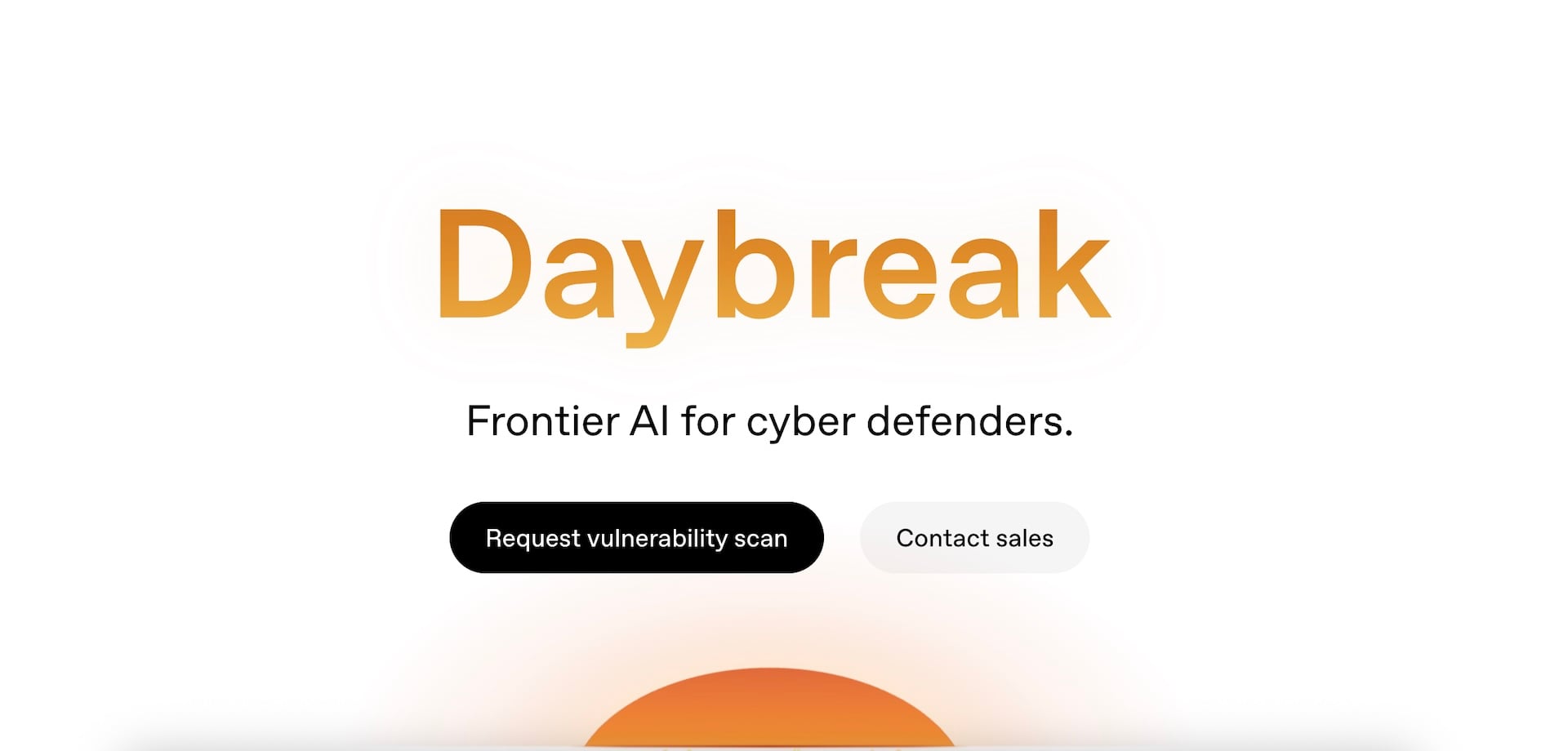
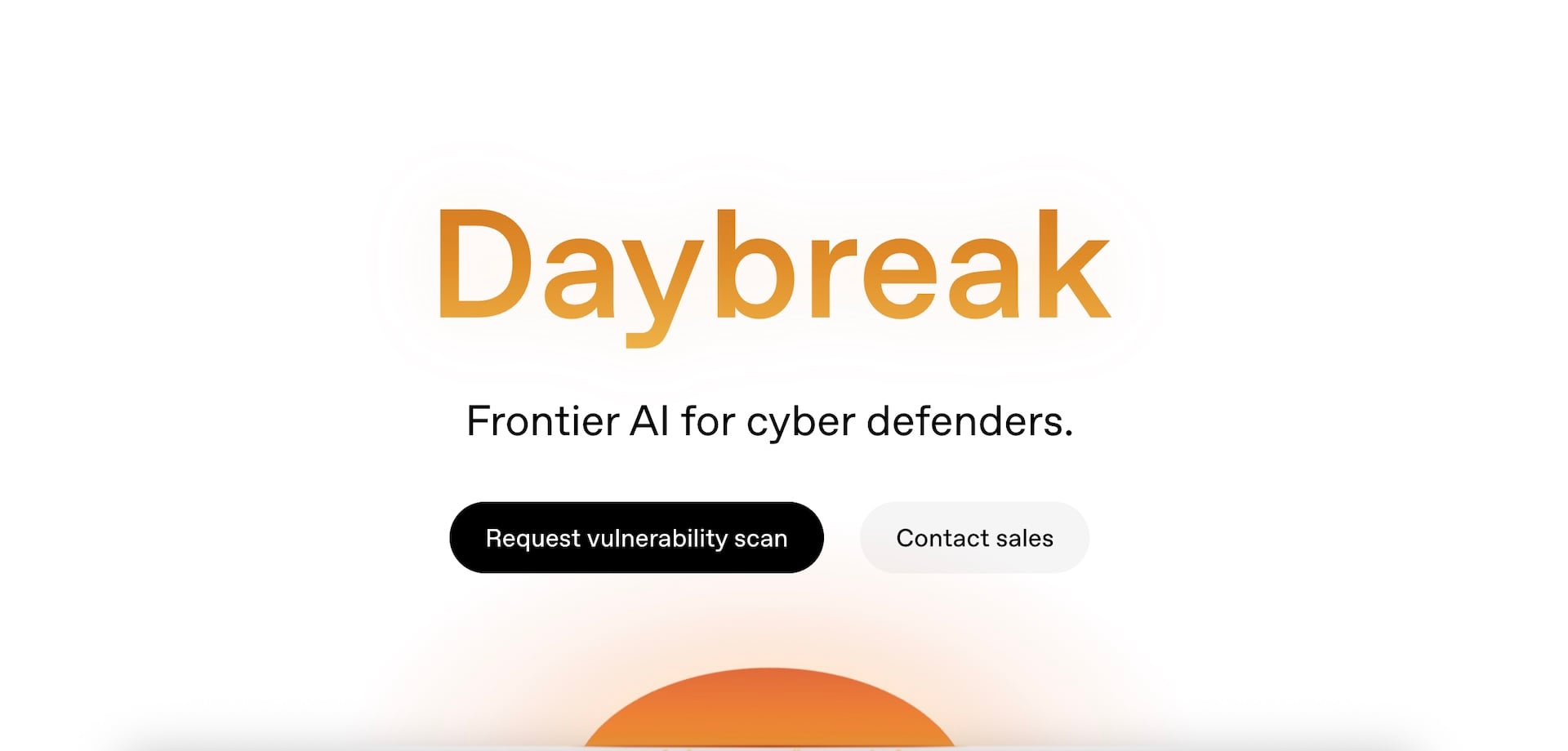
OpenAI Daybreak represents a comprehensive vision for the future of cybersecurity. The name itself—Daybreak—symbolizes the ability to see risks earlier and act sooner, bringing “light” to the often-opaque world of software vulnerabilities. Unlike traditional security tools that often operate in isolation, Daybreak is built on the premise that the next era of cyber defense must be woven into the very fabric of software from its inception.
At its core, Daybreak leverages the reasoning capabilities of OpenAI’s most advanced models to help defenders reason across codebases, identify subtle vulnerabilities, validate fixes, and analyze unfamiliar systems with unprecedented speed. By moving from discovery to remediation in minutes rather than days, organizations can significantly reduce their window of exposure to potential exploits.
Leveraging GPT-5.5-Cyber and Codex Security
The technical backbone of the OpenAI Daybreak initiative is a suite of specialized models, most notably GPT-5.5-Cyber and GPT-5.5 with Trusted Access for Cyber. These models are specifically fine-tuned for security workflows, offering more precise safeguards and permissive behaviors for authorized defensive work. This allows security professionals to perform tasks such as secure code review, malware analysis, and patch validation with a level of AI assistance that was previously unavailable.
Furthermore, Daybreak utilizes the Codex Security AI agent as an “agentic harness.” This allows the AI to not only identify problems but also to interact with codebases to suggest and test patches directly within repositories. This “shift-left” approach ensures that security is a continuous part of the everyday development loop, making software more resilient from the start.
The Competitive Landscape: OpenAI vs. Anthropic
The launch of OpenAI Daybreak is widely seen as a competitive response to Anthropic’s Claude Mythos and its associated Project Glasswing. While Anthropic initially claimed Claude Mythos was too dangerous for public release, OpenAI has opted for a more structured, iterative deployment strategy. By partnering with industry leaders like Cloudflare, Cisco, and CrowdStrike, OpenAI is positioning Daybreak as a collaborative ecosystem rather than a standalone model.
As noted in our previous coverage of Anthropic’s Claude Mythos, the race for AI-driven security is heating up. OpenAI’s approach emphasizes “Trusted Access,” ensuring that the most powerful cyber-capable models are used responsibly by verified defenders while maintaining rigorous safeguards against misuse.
A Collaborative Ecosystem for Global Security
OpenAI is not going at it alone. The OpenAI Daybreak initiative involves close collaboration with both industry and government partners. This “security flywheel” approach ensures that the intelligence of OpenAI’s models is augmented by the real-world expertise of leading security organizations. Companies like Palo Alto Networks, Zscaler, and Akamai are already exploring how to integrate these frontier capabilities into their own security postures.
According to Dane Knecht, CTO of Cloudflare, “We’re excited about the potential of OpenAI’s cyber capabilities to bring stronger reasoning and more agentic execution into security workflows. It’s a big step forward for teams to be able to leverage frontier models not only to accelerate velocity, but also to improve their security posture.”
Conclusion: Building a Safer Intelligence Age
As we move deeper into the intelligence age, the tools we use to defend our digital infrastructure must evolve alongside the threats we face. OpenAI Daybreak represents a significant milestone in this evolution. By empowering cyber defenders with frontier AI intelligence, OpenAI is helping to create a world where software is not just built, but is inherently resilient and secure by design. For more insights into the latest AI breakthroughs, you can explore our report on AI Breakthroughs from Meta, Google, and OpenAI.
For more information on the technical specifications and deployment options for Daybreak, visit the official OpenAI Daybreak page.
OpenAI Daybreak represents a comprehensive vision for the future of cybersecurity. The name itself—Daybreak—symbolizes the ability to see risks earlier and act sooner, bringing “light” to the often-opaque world of software vulnerabilities. Unlike traditional security tools that often operate in isolation, Daybreak is built on the premise that the next era of cyber defense must be woven into the very fabric of software from its inception.
At its core, Daybreak leverages the reasoning capabilities of OpenAI’s most advanced models to help defenders reason across codebases, identify subtle vulnerabilities, validate fixes, and analyze unfamiliar systems with unprecedented speed. By moving from discovery to remediation in minutes rather than days, organizations can significantly reduce their window of exposure to potential exploits.
Leveraging GPT-5.5-Cyber and Codex Security
The technical backbone of the OpenAI Daybreak initiative is a suite of specialized models, most notably GPT-5.5-Cyber and GPT-5.5 with Trusted Access for Cyber. These models are specifically fine-tuned for security workflows, offering more precise safeguards and permissive behaviors for authorized defensive work. This allows security professionals to perform tasks such as secure code review, malware analysis, and patch validation with a level of AI assistance that was previously unavailable.
Furthermore, Daybreak utilizes the Codex Security AI agent as an “agentic harness.” This allows the AI to not only identify problems but also to interact with codebases to suggest and test patches directly within repositories. This “shift-left” approach ensures that security is a continuous part of the everyday development loop, making software more resilient from the start.
The Competitive Landscape: OpenAI vs. Anthropic
The launch of OpenAI Daybreak is widely seen as a competitive response to Anthropic’s Claude Mythos and its associated Project Glasswing. While Anthropic initially claimed Claude Mythos was too dangerous for public release, OpenAI has opted for a more structured, iterative deployment strategy. By partnering with industry leaders like Cloudflare, Cisco, and CrowdStrike, OpenAI is positioning Daybreak as a collaborative ecosystem rather than a standalone model.
As noted in our previous coverage of Anthropic’s Claude Mythos, the race for AI-driven security is heating up. OpenAI’s approach emphasizes “Trusted Access,” ensuring that the most powerful cyber-capable models are used responsibly by verified defenders while maintaining rigorous safeguards against misuse.
A Collaborative Ecosystem for Global Security
OpenAI is not going at it alone. The OpenAI Daybreak initiative involves close collaboration with both industry and government partners. This “security flywheel” approach ensures that the intelligence of OpenAI’s models is augmented by the real-world expertise of leading security organizations. Companies like Palo Alto Networks, Zscaler, and Akamai are already exploring how to integrate these frontier capabilities into their own security postures.
According to Dane Knecht, CTO of Cloudflare, “We’re excited about the potential of OpenAI’s cyber capabilities to bring stronger reasoning and more agentic execution into security workflows. It’s a big step forward for teams to be able to leverage frontier models not only to accelerate velocity, but also to improve their security posture.”
Conclusion: Building a Safer Intelligence Age
As we move deeper into the intelligence age, the tools we use to defend our digital infrastructure must evolve alongside the threats we face. OpenAI Daybreak represents a significant milestone in this evolution. By empowering cyber defenders with frontier AI intelligence, OpenAI is helping to create a world where software is not just built, but is inherently resilient and secure by design. For more insights into the latest AI breakthroughs, you can explore our report on AI Breakthroughs from Meta, Google, and OpenAI.
For more information on the technical specifications and deployment options for Daybreak, visit the official OpenAI Daybreak page.
The Dawn of Proactive Cyber Defense: What is OpenAI Daybreak?
OpenAI Daybreak represents a comprehensive vision for the future of cybersecurity. The name itself—Daybreak—symbolizes the ability to see risks earlier and act sooner, bringing “light” to the often-opaque world of software vulnerabilities. Unlike traditional security tools that often operate in isolation, Daybreak is built on the premise that the next era of cyber defense must be woven into the very fabric of software from its inception.
At its core, Daybreak leverages the reasoning capabilities of OpenAI’s most advanced models to help defenders reason across codebases, identify subtle vulnerabilities, validate fixes, and analyze unfamiliar systems with unprecedented speed. By moving from discovery to remediation in minutes rather than days, organizations can significantly reduce their window of exposure to potential exploits.
Leveraging GPT-5.5-Cyber and Codex Security
The technical backbone of the OpenAI Daybreak initiative is a suite of specialized models, most notably GPT-5.5-Cyber and GPT-5.5 with Trusted Access for Cyber. These models are specifically fine-tuned for security workflows, offering more precise safeguards and permissive behaviors for authorized defensive work. This allows security professionals to perform tasks such as secure code review, malware analysis, and patch validation with a level of AI assistance that was previously unavailable.
Furthermore, Daybreak utilizes the Codex Security AI agent as an “agentic harness.” This allows the AI to not only identify problems but also to interact with codebases to suggest and test patches directly within repositories. This “shift-left” approach ensures that security is a continuous part of the everyday development loop, making software more resilient from the start.
The Competitive Landscape: OpenAI vs. Anthropic
The launch of OpenAI Daybreak is widely seen as a competitive response to Anthropic’s Claude Mythos and its associated Project Glasswing. While Anthropic initially claimed Claude Mythos was too dangerous for public release, OpenAI has opted for a more structured, iterative deployment strategy. By partnering with industry leaders like Cloudflare, Cisco, and CrowdStrike, OpenAI is positioning Daybreak as a collaborative ecosystem rather than a standalone model.
As noted in our previous coverage of Anthropic’s Claude Mythos, the race for AI-driven security is heating up. OpenAI’s approach emphasizes “Trusted Access,” ensuring that the most powerful cyber-capable models are used responsibly by verified defenders while maintaining rigorous safeguards against misuse.
A Collaborative Ecosystem for Global Security
OpenAI is not going at it alone. The OpenAI Daybreak initiative involves close collaboration with both industry and government partners. This “security flywheel” approach ensures that the intelligence of OpenAI’s models is augmented by the real-world expertise of leading security organizations. Companies like Palo Alto Networks, Zscaler, and Akamai are already exploring how to integrate these frontier capabilities into their own security postures.
According to Dane Knecht, CTO of Cloudflare, “We’re excited about the potential of OpenAI’s cyber capabilities to bring stronger reasoning and more agentic execution into security workflows. It’s a big step forward for teams to be able to leverage frontier models not only to accelerate velocity, but also to improve their security posture.”
Conclusion: Building a Safer Intelligence Age
As we move deeper into the intelligence age, the tools we use to defend our digital infrastructure must evolve alongside the threats we face. OpenAI Daybreak represents a significant milestone in this evolution. By empowering cyber defenders with frontier AI intelligence, OpenAI is helping to create a world where software is not just built, but is inherently resilient and secure by design. For more insights into the latest AI breakthroughs, you can explore our report on AI Breakthroughs from Meta, Google, and OpenAI.
For more information on the technical specifications and deployment options for Daybreak, visit the official OpenAI Daybreak page.
The Dawn of Proactive Cyber Defense: What is OpenAI Daybreak?
OpenAI Daybreak represents a comprehensive vision for the future of cybersecurity. The name itself—Daybreak—symbolizes the ability to see risks earlier and act sooner, bringing “light” to the often-opaque world of software vulnerabilities. Unlike traditional security tools that often operate in isolation, Daybreak is built on the premise that the next era of cyber defense must be woven into the very fabric of software from its inception.
At its core, Daybreak leverages the reasoning capabilities of OpenAI’s most advanced models to help defenders reason across codebases, identify subtle vulnerabilities, validate fixes, and analyze unfamiliar systems with unprecedented speed. By moving from discovery to remediation in minutes rather than days, organizations can significantly reduce their window of exposure to potential exploits.
Leveraging GPT-5.5-Cyber and Codex Security
The technical backbone of the OpenAI Daybreak initiative is a suite of specialized models, most notably GPT-5.5-Cyber and GPT-5.5 with Trusted Access for Cyber. These models are specifically fine-tuned for security workflows, offering more precise safeguards and permissive behaviors for authorized defensive work. This allows security professionals to perform tasks such as secure code review, malware analysis, and patch validation with a level of AI assistance that was previously unavailable.
Furthermore, Daybreak utilizes the Codex Security AI agent as an “agentic harness.” This allows the AI to not only identify problems but also to interact with codebases to suggest and test patches directly within repositories. This “shift-left” approach ensures that security is a continuous part of the everyday development loop, making software more resilient from the start.
The Competitive Landscape: OpenAI vs. Anthropic
The launch of OpenAI Daybreak is widely seen as a competitive response to Anthropic’s Claude Mythos and its associated Project Glasswing. While Anthropic initially claimed Claude Mythos was too dangerous for public release, OpenAI has opted for a more structured, iterative deployment strategy. By partnering with industry leaders like Cloudflare, Cisco, and CrowdStrike, OpenAI is positioning Daybreak as a collaborative ecosystem rather than a standalone model.
As noted in our previous coverage of Anthropic’s Claude Mythos, the race for AI-driven security is heating up. OpenAI’s approach emphasizes “Trusted Access,” ensuring that the most powerful cyber-capable models are used responsibly by verified defenders while maintaining rigorous safeguards against misuse.
A Collaborative Ecosystem for Global Security
OpenAI is not going at it alone. The OpenAI Daybreak initiative involves close collaboration with both industry and government partners. This “security flywheel” approach ensures that the intelligence of OpenAI’s models is augmented by the real-world expertise of leading security organizations. Companies like Palo Alto Networks, Zscaler, and Akamai are already exploring how to integrate these frontier capabilities into their own security postures.
According to Dane Knecht, CTO of Cloudflare, “We’re excited about the potential of OpenAI’s cyber capabilities to bring stronger reasoning and more agentic execution into security workflows. It’s a big step forward for teams to be able to leverage frontier models not only to accelerate velocity, but also to improve their security posture.”
Conclusion: Building a Safer Intelligence Age
As we move deeper into the intelligence age, the tools we use to defend our digital infrastructure must evolve alongside the threats we face. OpenAI Daybreak represents a significant milestone in this evolution. By empowering cyber defenders with frontier AI intelligence, OpenAI is helping to create a world where software is not just built, but is inherently resilient and secure by design. For more insights into the latest AI breakthroughs, you can explore our report on AI Breakthroughs from Meta, Google, and OpenAI.
For more information on the technical specifications and deployment options for Daybreak, visit the official OpenAI Daybreak page.
In a significant move to fortify the digital landscape, OpenAI has officially launched OpenAI Daybreak, a pioneering AI initiative designed to revolutionize how software is built and defended. This strategic rollout comes as a direct response to the growing complexity of cyber threats and follows the recent introduction of Anthropic’s security-focused model, Claude Mythos. By integrating frontier AI intelligence directly into the development lifecycle, OpenAI aims to shift the paradigm from reactive patching to proactive, resilient-by-design software architecture.
The Dawn of Proactive Cyber Defense: What is OpenAI Daybreak?
OpenAI Daybreak represents a comprehensive vision for the future of cybersecurity. The name itself—Daybreak—symbolizes the ability to see risks earlier and act sooner, bringing “light” to the often-opaque world of software vulnerabilities. Unlike traditional security tools that often operate in isolation, Daybreak is built on the premise that the next era of cyber defense must be woven into the very fabric of software from its inception.
At its core, Daybreak leverages the reasoning capabilities of OpenAI’s most advanced models to help defenders reason across codebases, identify subtle vulnerabilities, validate fixes, and analyze unfamiliar systems with unprecedented speed. By moving from discovery to remediation in minutes rather than days, organizations can significantly reduce their window of exposure to potential exploits.
Leveraging GPT-5.5-Cyber and Codex Security
The technical backbone of the OpenAI Daybreak initiative is a suite of specialized models, most notably GPT-5.5-Cyber and GPT-5.5 with Trusted Access for Cyber. These models are specifically fine-tuned for security workflows, offering more precise safeguards and permissive behaviors for authorized defensive work. This allows security professionals to perform tasks such as secure code review, malware analysis, and patch validation with a level of AI assistance that was previously unavailable.
Furthermore, Daybreak utilizes the Codex Security AI agent as an “agentic harness.” This allows the AI to not only identify problems but also to interact with codebases to suggest and test patches directly within repositories. This “shift-left” approach ensures that security is a continuous part of the everyday development loop, making software more resilient from the start.
The Competitive Landscape: OpenAI vs. Anthropic
The launch of OpenAI Daybreak is widely seen as a competitive response to Anthropic’s Claude Mythos and its associated Project Glasswing. While Anthropic initially claimed Claude Mythos was too dangerous for public release, OpenAI has opted for a more structured, iterative deployment strategy. By partnering with industry leaders like Cloudflare, Cisco, and CrowdStrike, OpenAI is positioning Daybreak as a collaborative ecosystem rather than a standalone model.
As noted in our previous coverage of Anthropic’s Claude Mythos, the race for AI-driven security is heating up. OpenAI’s approach emphasizes “Trusted Access,” ensuring that the most powerful cyber-capable models are used responsibly by verified defenders while maintaining rigorous safeguards against misuse.
A Collaborative Ecosystem for Global Security
OpenAI is not going at it alone. The OpenAI Daybreak initiative involves close collaboration with both industry and government partners. This “security flywheel” approach ensures that the intelligence of OpenAI’s models is augmented by the real-world expertise of leading security organizations. Companies like Palo Alto Networks, Zscaler, and Akamai are already exploring how to integrate these frontier capabilities into their own security postures.
According to Dane Knecht, CTO of Cloudflare, “We’re excited about the potential of OpenAI’s cyber capabilities to bring stronger reasoning and more agentic execution into security workflows. It’s a big step forward for teams to be able to leverage frontier models not only to accelerate velocity, but also to improve their security posture.”
Conclusion: Building a Safer Intelligence Age
As we move deeper into the intelligence age, the tools we use to defend our digital infrastructure must evolve alongside the threats we face. OpenAI Daybreak represents a significant milestone in this evolution. By empowering cyber defenders with frontier AI intelligence, OpenAI is helping to create a world where software is not just built, but is inherently resilient and secure by design. For more insights into the latest AI breakthroughs, you can explore our report on AI Breakthroughs from Meta, Google, and OpenAI.
For more information on the technical specifications and deployment options for Daybreak, visit the official OpenAI Daybreak page.
In a significant move to fortify the digital landscape, OpenAI has officially launched OpenAI Daybreak, a pioneering AI initiative designed to revolutionize how software is built and defended. This strategic rollout comes as a direct response to the growing complexity of cyber threats and follows the recent introduction of Anthropic’s security-focused model, Claude Mythos. By integrating frontier AI intelligence directly into the development lifecycle, OpenAI aims to shift the paradigm from reactive patching to proactive, resilient-by-design software architecture.
The Dawn of Proactive Cyber Defense: What is OpenAI Daybreak?
OpenAI Daybreak represents a comprehensive vision for the future of cybersecurity. The name itself—Daybreak—symbolizes the ability to see risks earlier and act sooner, bringing “light” to the often-opaque world of software vulnerabilities. Unlike traditional security tools that often operate in isolation, Daybreak is built on the premise that the next era of cyber defense must be woven into the very fabric of software from its inception.
At its core, Daybreak leverages the reasoning capabilities of OpenAI’s most advanced models to help defenders reason across codebases, identify subtle vulnerabilities, validate fixes, and analyze unfamiliar systems with unprecedented speed. By moving from discovery to remediation in minutes rather than days, organizations can significantly reduce their window of exposure to potential exploits.
Leveraging GPT-5.5-Cyber and Codex Security
The technical backbone of the OpenAI Daybreak initiative is a suite of specialized models, most notably GPT-5.5-Cyber and GPT-5.5 with Trusted Access for Cyber. These models are specifically fine-tuned for security workflows, offering more precise safeguards and permissive behaviors for authorized defensive work. This allows security professionals to perform tasks such as secure code review, malware analysis, and patch validation with a level of AI assistance that was previously unavailable.
Furthermore, Daybreak utilizes the Codex Security AI agent as an “agentic harness.” This allows the AI to not only identify problems but also to interact with codebases to suggest and test patches directly within repositories. This “shift-left” approach ensures that security is a continuous part of the everyday development loop, making software more resilient from the start.
The Competitive Landscape: OpenAI vs. Anthropic
The launch of OpenAI Daybreak is widely seen as a competitive response to Anthropic’s Claude Mythos and its associated Project Glasswing. While Anthropic initially claimed Claude Mythos was too dangerous for public release, OpenAI has opted for a more structured, iterative deployment strategy. By partnering with industry leaders like Cloudflare, Cisco, and CrowdStrike, OpenAI is positioning Daybreak as a collaborative ecosystem rather than a standalone model.
As noted in our previous coverage of Anthropic’s Claude Mythos, the race for AI-driven security is heating up. OpenAI’s approach emphasizes “Trusted Access,” ensuring that the most powerful cyber-capable models are used responsibly by verified defenders while maintaining rigorous safeguards against misuse.
A Collaborative Ecosystem for Global Security
OpenAI is not going at it alone. The OpenAI Daybreak initiative involves close collaboration with both industry and government partners. This “security flywheel” approach ensures that the intelligence of OpenAI’s models is augmented by the real-world expertise of leading security organizations. Companies like Palo Alto Networks, Zscaler, and Akamai are already exploring how to integrate these frontier capabilities into their own security postures.
According to Dane Knecht, CTO of Cloudflare, “We’re excited about the potential of OpenAI’s cyber capabilities to bring stronger reasoning and more agentic execution into security workflows. It’s a big step forward for teams to be able to leverage frontier models not only to accelerate velocity, but also to improve their security posture.”
Conclusion: Building a Safer Intelligence Age
As we move deeper into the intelligence age, the tools we use to defend our digital infrastructure must evolve alongside the threats we face. OpenAI Daybreak represents a significant milestone in this evolution. By empowering cyber defenders with frontier AI intelligence, OpenAI is helping to create a world where software is not just built, but is inherently resilient and secure by design. For more insights into the latest AI breakthroughs, you can explore our report on AI Breakthroughs from Meta, Google, and OpenAI.
For more information on the technical specifications and deployment options for Daybreak, visit the official OpenAI Daybreak page.
In a significant move to fortify the digital landscape, OpenAI has officially launched OpenAI Daybreak, a pioneering AI initiative designed to revolutionize how software is built and defended. This strategic rollout comes as a direct response to the growing complexity of cyber threats and follows the recent introduction of Anthropic’s security-focused model, Claude Mythos. By integrating frontier AI intelligence directly into the development lifecycle, OpenAI aims to shift the paradigm from reactive patching to proactive, resilient-by-design software architecture.
The Dawn of Proactive Cyber Defense: What is OpenAI Daybreak?
OpenAI Daybreak represents a comprehensive vision for the future of cybersecurity. The name itself—Daybreak—symbolizes the ability to see risks earlier and act sooner, bringing “light” to the often-opaque world of software vulnerabilities. Unlike traditional security tools that often operate in isolation, Daybreak is built on the premise that the next era of cyber defense must be woven into the very fabric of software from its inception.
At its core, Daybreak leverages the reasoning capabilities of OpenAI’s most advanced models to help defenders reason across codebases, identify subtle vulnerabilities, validate fixes, and analyze unfamiliar systems with unprecedented speed. By moving from discovery to remediation in minutes rather than days, organizations can significantly reduce their window of exposure to potential exploits.
Leveraging GPT-5.5-Cyber and Codex Security
The technical backbone of the OpenAI Daybreak initiative is a suite of specialized models, most notably GPT-5.5-Cyber and GPT-5.5 with Trusted Access for Cyber. These models are specifically fine-tuned for security workflows, offering more precise safeguards and permissive behaviors for authorized defensive work. This allows security professionals to perform tasks such as secure code review, malware analysis, and patch validation with a level of AI assistance that was previously unavailable.
Furthermore, Daybreak utilizes the Codex Security AI agent as an “agentic harness.” This allows the AI to not only identify problems but also to interact with codebases to suggest and test patches directly within repositories. This “shift-left” approach ensures that security is a continuous part of the everyday development loop, making software more resilient from the start.
The Competitive Landscape: OpenAI vs. Anthropic
The launch of OpenAI Daybreak is widely seen as a competitive response to Anthropic’s Claude Mythos and its associated Project Glasswing. While Anthropic initially claimed Claude Mythos was too dangerous for public release, OpenAI has opted for a more structured, iterative deployment strategy. By partnering with industry leaders like Cloudflare, Cisco, and CrowdStrike, OpenAI is positioning Daybreak as a collaborative ecosystem rather than a standalone model.
As noted in our previous coverage of Anthropic’s Claude Mythos, the race for AI-driven security is heating up. OpenAI’s approach emphasizes “Trusted Access,” ensuring that the most powerful cyber-capable models are used responsibly by verified defenders while maintaining rigorous safeguards against misuse.
A Collaborative Ecosystem for Global Security
OpenAI is not going at it alone. The OpenAI Daybreak initiative involves close collaboration with both industry and government partners. This “security flywheel” approach ensures that the intelligence of OpenAI’s models is augmented by the real-world expertise of leading security organizations. Companies like Palo Alto Networks, Zscaler, and Akamai are already exploring how to integrate these frontier capabilities into their own security postures.
According to Dane Knecht, CTO of Cloudflare, “We’re excited about the potential of OpenAI’s cyber capabilities to bring stronger reasoning and more agentic execution into security workflows. It’s a big step forward for teams to be able to leverage frontier models not only to accelerate velocity, but also to improve their security posture.”
Conclusion: Building a Safer Intelligence Age
As we move deeper into the intelligence age, the tools we use to defend our digital infrastructure must evolve alongside the threats we face. OpenAI Daybreak represents a significant milestone in this evolution. By empowering cyber defenders with frontier AI intelligence, OpenAI is helping to create a world where software is not just built, but is inherently resilient and secure by design. For more insights into the latest AI breakthroughs, you can explore our report on AI Breakthroughs from Meta, Google, and OpenAI.
For more information on the technical specifications and deployment options for Daybreak, visit the official OpenAI Daybreak page.