




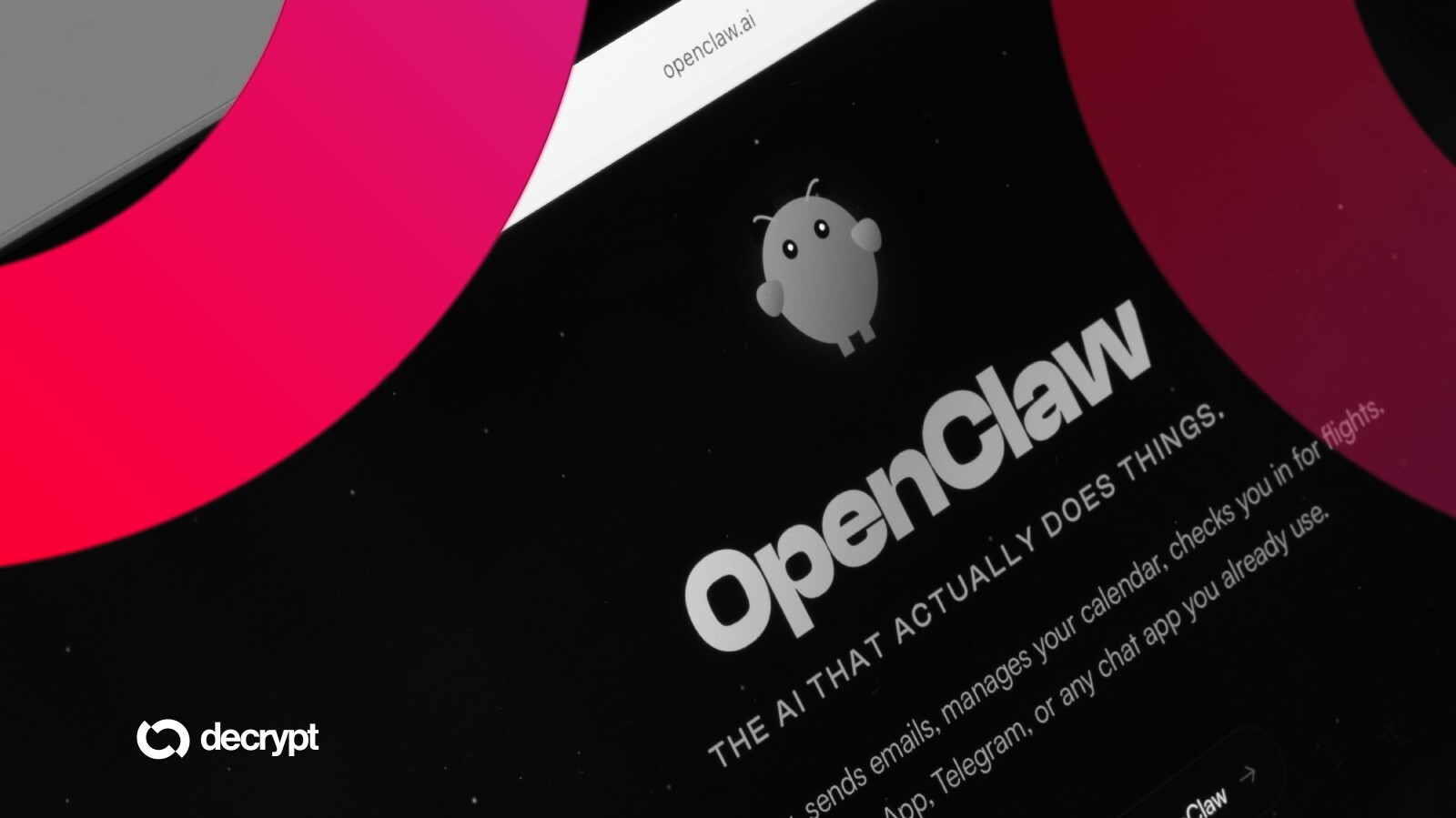
OpenClaw 2.0 has arrived as the open-source AI agent project tries to move beyond early hype and into more serious enterprise use. According to Decrypt, the release is officially version 2026.8.1, but the project is branding it as OpenClaw 2.0 because it touches setup, messaging, memory, skills, models, automations, browser tools, plugins and security.
The scale is notable. Decrypt reports that 933 contributors worked on the update, including 569 first-time contributors, with more than 16,000 pull requests involved. That is an unusually large community push for an agent framework and shows how quickly developer interest has gathered around persistent, tool-using AI systems.
What OpenClaw is trying to become
OpenClaw is not just another chatbot wrapper. It is designed as a self-hosted framework that lets an AI agent persist beyond a browser tab, run on a schedule, connect to messaging channels, and use tools such as email, calendars, files, shells and browsers when given permission. That architecture makes it closer to a personal operating layer than a simple assistant.
The new release strengthens that ambition. Setup now checks whether a user already has a Claude or ChatGPT subscription, an API key, or a local Ollama model before asking for more configuration. It also tests the model before saving the setup and moves the user more quickly into an actual conversation. That matters because agent frameworks often lose users before they reach the first successful task.
The Control UI has also been rebuilt around chat, with files, Git diffs, pull-request status, browser tools and terminal access arranged around the conversation. That design reflects a larger industry trend: developers increasingly expect AI assistants to sit inside real workflows, not in a separate demo window.
Shared sessions are the enterprise pitch
The most important strategic change in OpenClaw 2.0 may be shared cloud sessions. Instead of one user running a local agent that disappears into a private workflow, a team can enter an agent session while work is ongoing. That makes AI work easier to inspect, hand off and continue across people.
This is a major enterprise requirement. Companies do not want critical work trapped inside one developer’s laptop or one chat window. They need auditability, collaboration, role boundaries and shared context. If agent work becomes a team asset, it has to be visible and recoverable when a task spans hours, days or multiple employees.
Decrypt notes that the release also moves session storage and includes features clearly aimed at business buyers. That is where the agent market is heading. The early excitement was about what one agent could do alone. The next stage is whether agents can fit into team operations without creating new security and accountability problems.
Security is improved, but still needs configuration
Security is one of the key tests for any agent framework. OpenClaw 2.0 adds request-specific approvals, command permissions scoped to specific arguments, Docker and Podman sandboxing, role-enforced execution, and a team-scoped Secret Store. These controls are important because agents can touch sensitive systems when users grant access.
The catch is that some hardened settings still require setup. Decrypt notes that sandboxing and approvals are not simply a magic switch for untrusted multi-tenant use. The project’s own model treats one Gateway as one trust domain, meaning companies that need stronger separation may need separate gateway cells rather than relying on a single shared environment.
That is a realistic limitation. Open-source agent frameworks can move quickly, but enterprise security requires clear boundaries, logging, secrets handling, role permissions and deployment discipline. The new release narrows the gap, but serious teams still need to configure it carefully.
Competition from Hermes is pushing the category
OpenClaw is not alone. Decrypt frames Nous Research’s Hermes Agent as a serious competitor, especially for users frustrated by setup complexity and security defaults. Hermes has promoted procedural memory, reusable skills and a simpler internal architecture, while OpenClaw has leaned on ecosystem breadth, messaging channels and tool routing.
This competition is healthy for the market. AI agents are still early, and no framework has solved every problem. Developers want installation that does not hurt, security that is not an afterthought, memory that improves workflows, and tools that can be trusted with real work. Each project is forcing the other to improve.
The larger story is that AI agents are becoming infrastructure. OpenClaw 2.0 shows a project trying to cross from experimentation into operational use. If the release reduces setup friction while strengthening collaboration and controls, it could help normalize self-hosted agents for technical teams. The next challenge is proving that the system remains reliable and secure when the novelty fades and the work becomes routine.
Source: Decrypt