




Summary
Foldable iPhone apps may decide whether iPhone Duo succeeds. Apple’s first foldable iPhone has the hardware story: a compact outside display, a larger inner screen, A20 Pro performance and Apple Pencil support. But the real test is whether apps feel natural when the device opens and closes.
Foldables fail when the larger screen behaves like a stretched phone. Apple has to avoid that. If iPhone Duo only makes apps bigger, the device becomes an expensive novelty. If apps adapt intelligently, Duo can become a pocketable productivity machine.
The Inner Display Needs More Than Scaling

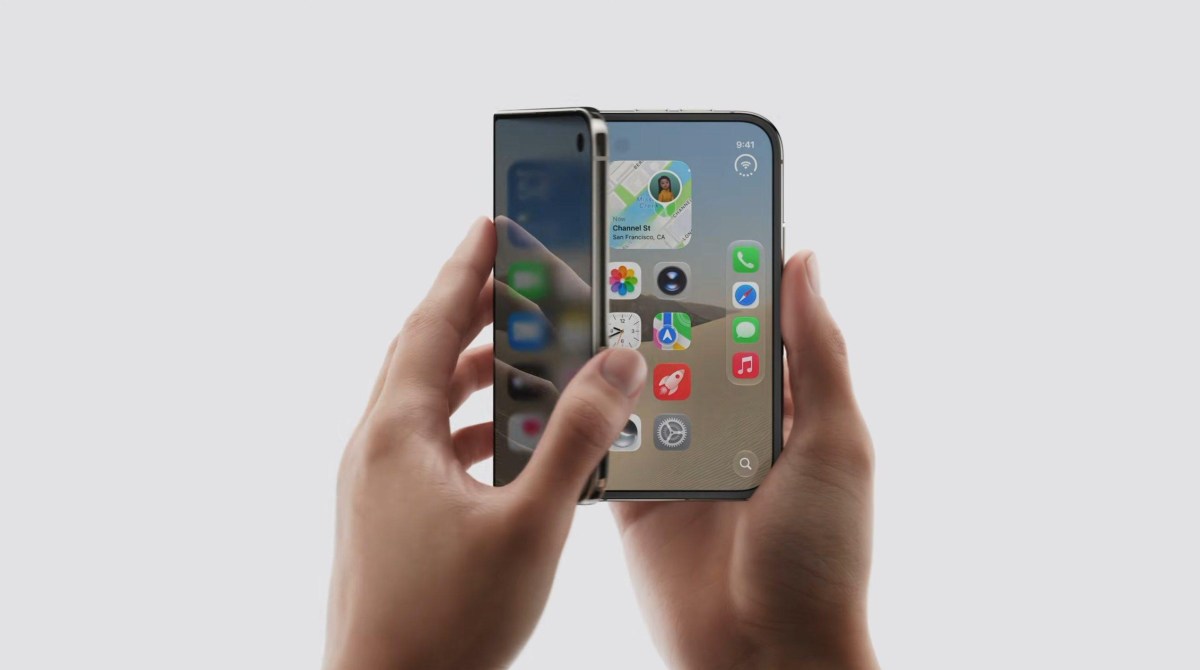
The reported 7.6-inch inner display gives developers room to rethink layouts. Messaging apps can show conversations and threads together. Email apps can show inbox and message panes. Photo apps can keep tools visible beside the image. Writing apps can use sidebars without crowding the page.
That is why foldable iPhone apps are not just a design issue. They are a product issue. The more useful the inner screen becomes, the easier it is to justify iPhone Duo’s reported $1,999 price. Users need to feel the benefit within minutes, not after digging through settings.
iOS 27 Has to Handle Continuity Cleanly
The hardest software moment is the transition between closed and open modes. A user may start reading a message on the outer screen, open Duo, and expect the app to expand without losing context. A video should continue playing. A document should remain in place. A map should become more useful, not simply larger.
Apple has an advantage because it controls the hardware, operating system, App Store rules and developer tools. That control gives Apple a better chance of setting strict expectations for foldable iPhone apps. Developers will follow if Apple makes the APIs clear and if Duo owners spend enough money to matter.
Apple Pencil Could Change the App Mix

Apple Pencil support is especially important. It suggests Apple wants Duo to support notes, sketches, document markup, photo editing and creative work. That brings the iPhone closer to iPad workflows, but it also puts pressure on developers to support touch and pencil input in a screen size between phone and tablet.
This could create a new category of iPhone software. Productivity apps, design tools, PDF readers, finance dashboards and creative apps may all need Duo-specific layouts. Games may also adapt, using one half of the display for controls and the other for gameplay.
Developers Will Follow the Money
The risk is scale. If iPhone Duo sells in limited numbers at first, some developers may wait before investing heavily. Apple’s challenge is to make foldable support easy enough that developers can add better layouts without rebuilding everything.
The opportunity is large. If Apple succeeds, foldable iPhone apps could become the next major design shift in mobile software. The iPhone app era began with one screen. Duo asks developers to think in two states: pocket mode and workspace mode.
This could affect design teams beyond Apple. Product managers may need to decide which screens deserve a Duo layout first. Media apps, finance apps, note-taking tools, health dashboards and workplace software are obvious candidates. Social apps may also rethink how messages, feeds, comments and creation tools appear when more horizontal space is available.
The risk is fragmentation, but Apple can reduce it if the guidance is strict. Developers should not have to design for dozens of awkward screen states. They need predictable size classes, clear testing tools and strong examples from Apple’s own apps. If those pieces are in place, the foldable iPhone could push mobile app design into a more flexible era.
News, commerce and creator apps may feel the pressure first. A shopping app can show product filters beside detail pages. A video app can keep playback visible while comments or recommendations sit alongside it. A newsroom app can show article text, related stories and alerts without forcing the reader through multiple screens.
Business apps may have even more to gain. Calendar, email, spreadsheets, task managers and document tools all benefit from extra width. The question is whether teams will treat Duo as a priority or wait until Apple proves demand. That waiting period could decide whether foldable iPhone apps feel excellent at launch or slowly improve over the first year.
Apple can help by making Duo support part of the normal iOS design conversation, not a special side project. If foldable layouts are presented as an extension of responsive iPhone and iPad design, developers will have a cleaner path. If they feel like a separate category, adoption will be slower.