


# Samsung’s AI Chip Boom: A Record-Breaking Quarter Driven by HBM Demand
Samsung Electronics has announced a monumental first quarter for 2026, reporting an eight-fold surge in operating profit. This unprecedented growth, significantly exceeding market expectations, is primarily fueled by the insatiable global demand for artificial intelligence (AI) memory chips, particularly High-Bandwidth Memory (HBM). The company’s stellar performance underscores the critical role of advanced semiconductor technology in the rapidly expanding AI landscape.
Unpacking the Record-Breaking Numbers
Samsung’s preliminary operating profit for the March quarter of 2026 reached an astounding 57.2 trillion won (approximately $37.9 billion USD). This represents a staggering 755% increase compared to the 6.7 trillion won reported in the same period last year. Revenue also saw a significant boost, climbing to 133 trillion won, comfortably surpassing analyst estimates of 116.8 trillion won. To put this into perspective, the profit generated in this single quarter alone outstripped the company’s total operating profit for the entire year of 2025, which stood at 43.6 trillion won [1].
The AI Revolution: HBM at the Forefront
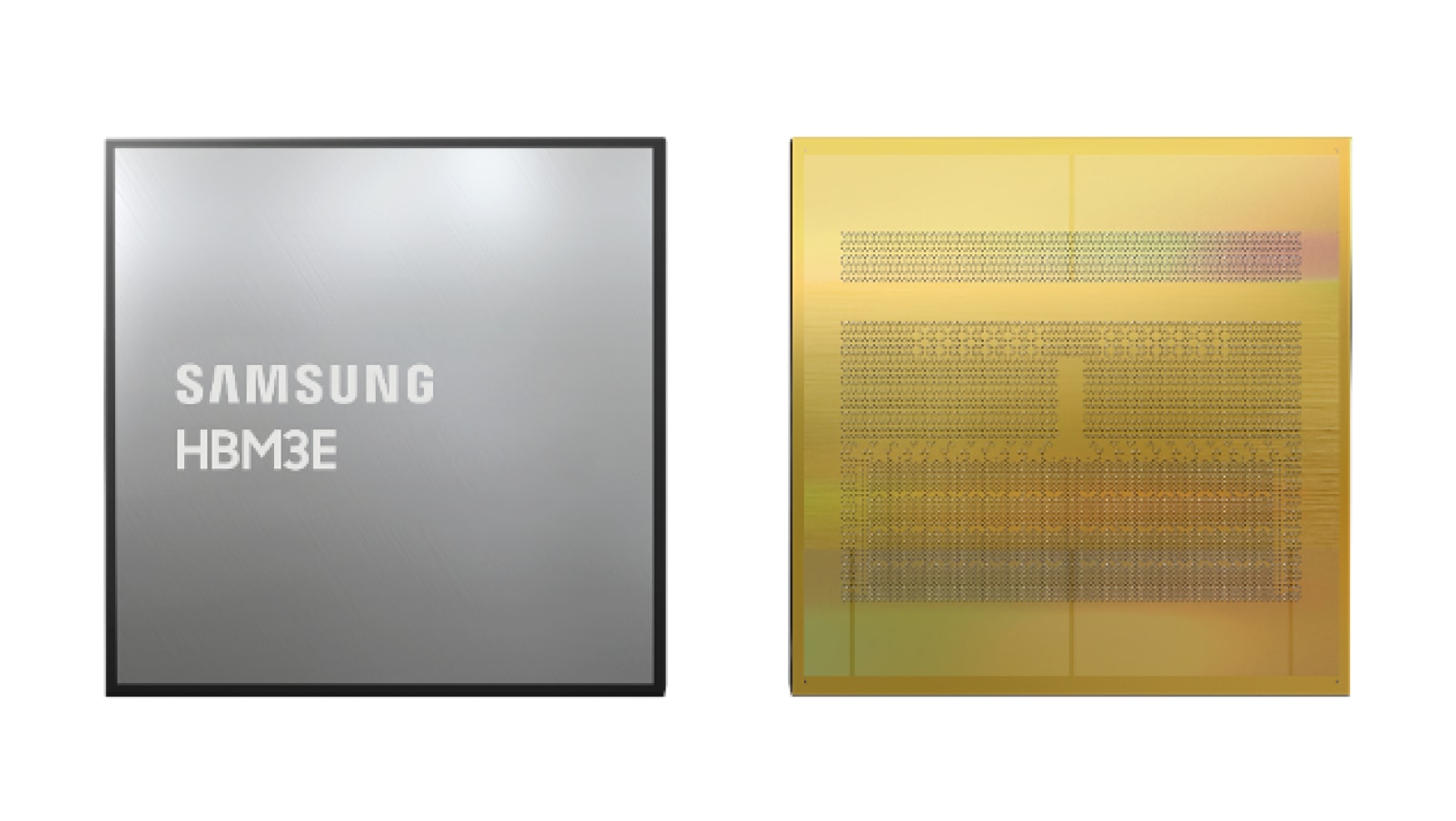
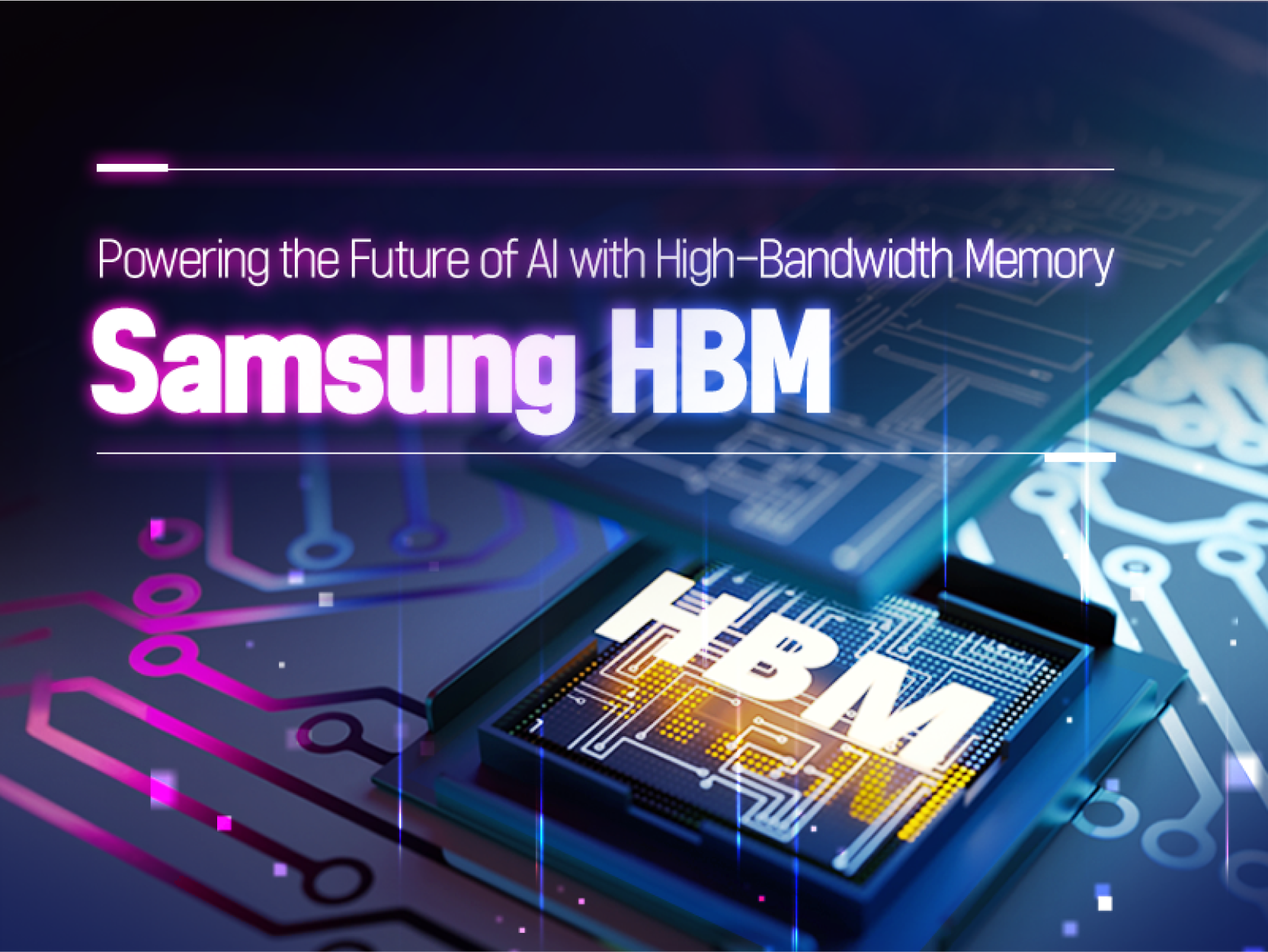
The primary catalyst behind Samsung’s explosive growth is the surging demand for memory chips used in AI computing. High-Bandwidth Memory (HBM) is particularly crucial, as it offers significantly higher data processing speeds and efficiency compared to traditional DRAM. Cloud service providers and tech giants are aggressively investing in data centers equipped with AI accelerators, leading to a massive uptick in orders for HBM products. This intense demand has created a tight supply market, driving up prices and boosting profit margins for key players like Samsung and its competitor SK Hynix [1].
| Metric | Q1 2026 (Preliminary) | Q1 2025 | Growth (YoY) | |—|—|—|—| | Operating Profit | 57.2 trillion won ($37.9B) | 6.7 trillion won | +755% | | Revenue | 133 trillion won | N/A | N/A |
Market Impact and Future Outlook
The positive earnings guidance sent Samsung’s shares soaring, with an increase of up to 4.9% in early trading. This ripple effect was also observed in the shares of rival SK Hynix, which gained 5.3%. The broader impact is evident in South Korea’s semiconductor exports, which reached a record $32.8 billion in March, marking a 151.4% annual increase and serving as a strong indicator of global technology demand [1]. Analysts remain optimistic about Samsung’s trajectory, anticipating a sustained “sharp profit recovery cycle.” The full financial statement, including net income and divisional breakdowns, is expected on April 30, 2026. Despite concerns about AI optimization technologies like Google’s TurboQuant or Anthropic’s Claude Mythos, investors remain confident in the continued demand for high-performance AI hardware [1].
Conclusion
Samsung’s remarkable first-quarter performance in 2026 serves as a powerful testament to the transformative impact of artificial intelligence on the technology sector. The unprecedented demand for HBM and other AI-specific memory solutions has not only propelled Samsung to record profits but has also significantly boosted South Korea’s semiconductor export market. As the AI revolution continues to unfold, Samsung is strategically positioned to remain a dominant force, driving innovation and capitalizing on the ever-growing need for advanced AI hardware.