




John Ternus, a veteran of Apple’s hardware engineering, has officially been named the new CEO of Apple, succeeding the iconic Tim Cook. This transition marks a significant shift for the tech giant, as Ternus, known for his product-focused leadership, takes the helm at a pivotal time for innovation and strategic direction. His appointment has sparked considerable discussion about Apple’s future, particularly concerning its product roadmap and its stance in the competitive tech landscape.

John Ternus: A Product-Focused Leader for Apple’s Future
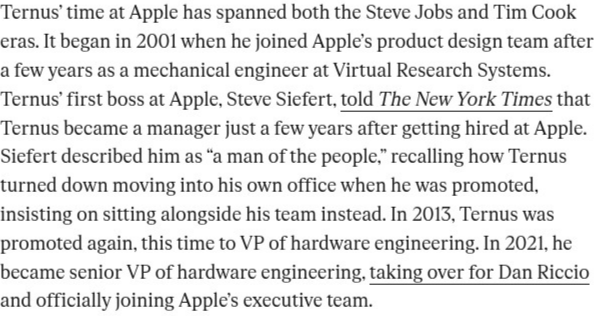
John Ternus’s journey at Apple began in 2001, joining the product design team. His career trajectory within the company has been marked by a deep involvement in the development of some of Apple’s most significant hardware. Before his promotion to CEO, Ternus served as the Senior Vice President of Hardware Engineering, a role in which he played a crucial part in bringing numerous groundbreaking products to market. His leadership style is often described as product-centric, a characteristic that many observers believe will redefine Apple’s strategic priorities.
From iPhone Air to M4 Macs: Ternus’s Impact on Apple’s Product Lineup
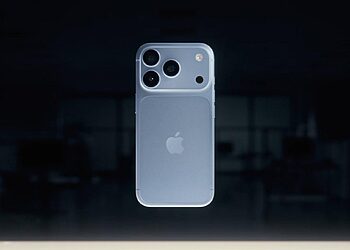
Ternus has been a familiar face at Apple’s product announcements, often taking the stage to unveil new devices. He was instrumental in the introduction of the iPhone Air last September, a key product in Apple’s 2025 lineup. Furthermore, his influence extends to the Mac division, where he spearheaded the transition to Apple Silicon, a move that profoundly transformed the performance and capabilities of Apple’s computer offerings. This includes the 15-inch MacBook Air in 2023 and a suite of M4 Macs launched last year. His 25-year tenure at Apple, combined with his extensive experience in hardware engineering, positions him uniquely to lead the company forward.
The Legacy of Tim Cook and the Road Ahead
Tim Cook’s departure marks the end of an era characterized by unprecedented growth and diversification for Apple. Cook, who succeeded Steve Jobs, transformed Apple into a global powerhouse, expanding its services division and solidifying its position as a leader in consumer electronics. Ternus now faces the challenge of building upon this legacy while navigating an increasingly complex technological landscape. The industry is rapidly evolving, with advancements in AI, smart home technology, and augmented reality presenting both opportunities and challenges for Apple.
Challenges and Opportunities: AI, Smart Home, and Foldable Devices
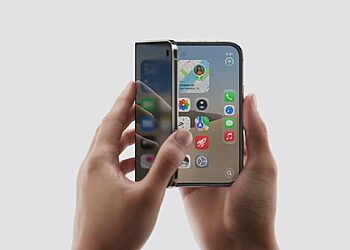
Under Ternus’s leadership, Apple is expected to intensify its focus on product innovation. Rumors suggest several exciting developments in the pipeline, including new smart home hardware, a long-awaited revamp of Siri, OLED MacBook Pros with touchscreens, and even smart glasses. The company is also reportedly working on its first foldable iPhone, anticipated to be released this fall. These initiatives highlight Apple’s commitment to pushing the boundaries of technology and maintaining its competitive edge. However, Ternus will also need to address past product missteps, such as the ill-fated Touch Bar on the MacBook Pro and the controversial butterfly keyboard, ensuring that future innovations prioritize user experience and reliability.
Environmental Responsibility and Future Innovations
Beyond product development, Ternus has also been a driving force behind Apple’s commitment to environmental responsibility. He has championed innovations in materials and hardware design aimed at reducing the company’s carbon footprint, such as the use of 3D-printed titanium in the Apple Watch Ultra 3. His focus on repairability has also contributed to increasing the lifespan of several Apple products, aligning with growing consumer demand for sustainable technology. As Apple embarks on this new chapter, John Ternus’s leadership will be crucial in shaping its future, balancing innovation with sustainability, and upholding the company’s reputation for excellence.
References: