




Summary
iPhone Duo vs Galaxy Z Fold8 is the comparison that now defines the foldable phone market. Apple has finally entered the category with iPhone Duo, while Samsung arrives with years of lessons from the Galaxy Fold line and its latest Galaxy Z Fold8 family.
The contest is not only about screen size. It is about whether Apple’s ecosystem polish can overcome Samsung’s foldable experience. Samsung has spent years solving hinge durability, weight, multitasking and app continuity. Apple is entering later, but with the advantage of iOS, Apple Pencil support, Apple Intelligence and a customer base that often waits for Apple’s version of a category before considering it mainstream.
Apple’s Advantage Is Ecosystem Trust

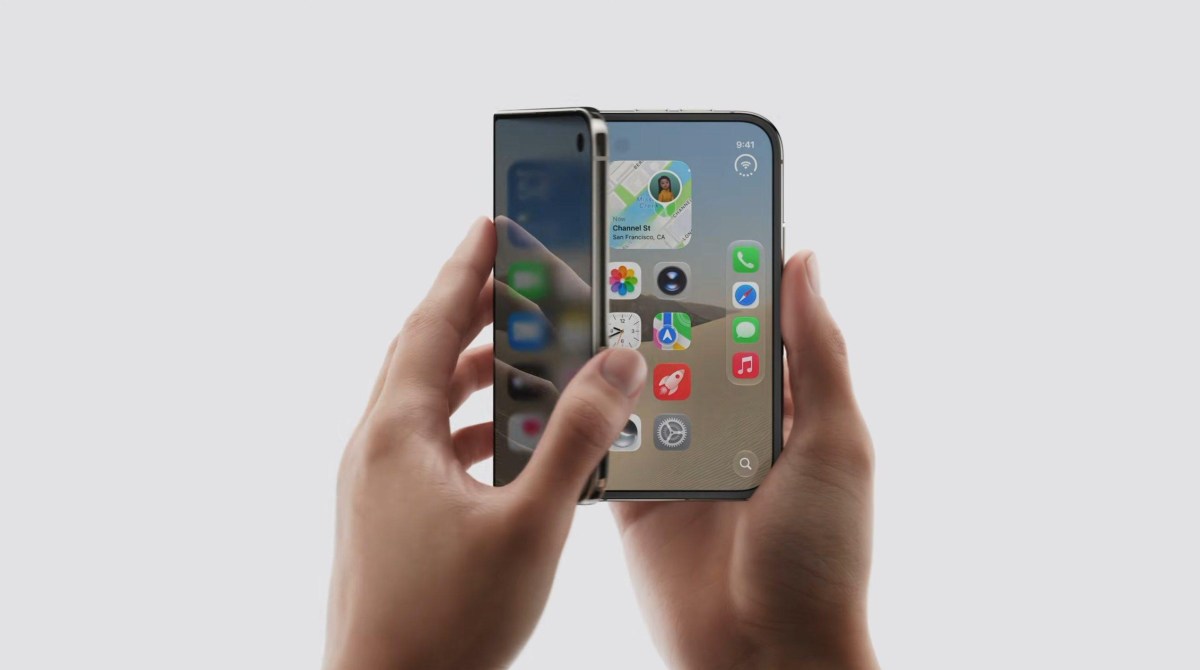
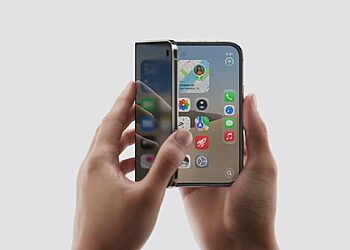
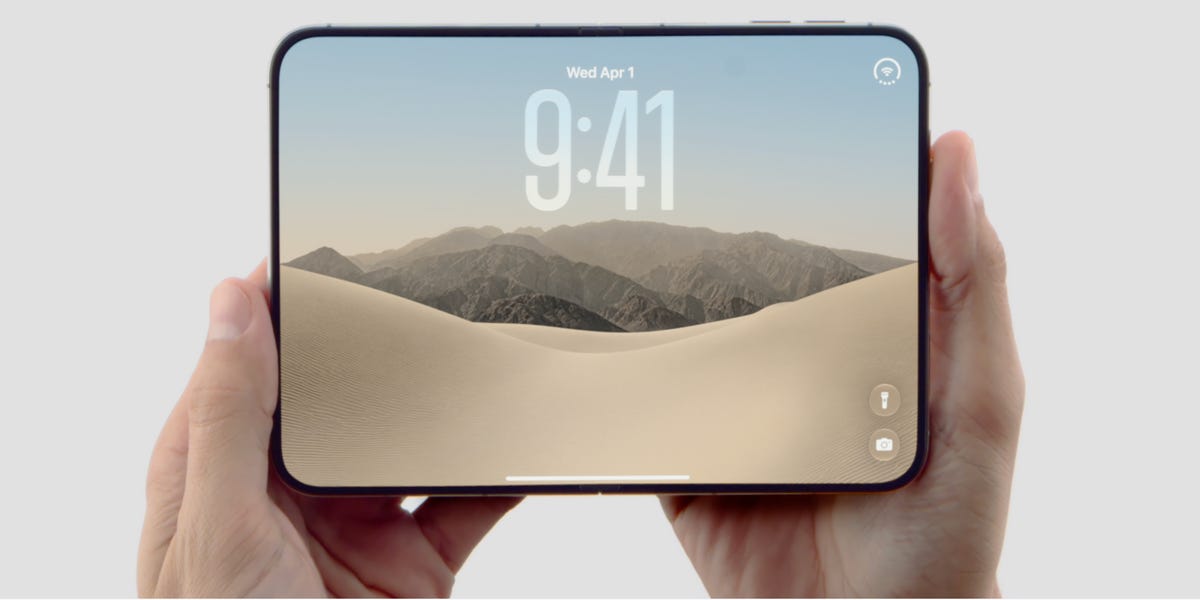
The biggest strength in iPhone Duo vs Galaxy Z Fold8 is Apple’s ability to make a new form factor feel familiar. iPhone Duo reportedly uses a compact outer display and a 7.6-inch inner display, with iOS 27 supporting split-screen multitasking and Apple Pencil workflows. That gives Apple a clear message: this is still an iPhone, but it can open into something closer to an iPad mini.
Samsung’s advantage is maturity. The Galaxy Z Fold line has already gone through the difficult early years of thick bodies, durability doubts and awkward app behavior. WIRED reported Samsung’s own advice for Apple centered on reducing weight and continuing to improve durability, a sign that Samsung believes hardware refinement is still the hard part of foldables.
Samsung Has the Foldable Experience
Samsung has the stronger record in foldable hardware because it has sold multiple generations already. The latest Galaxy Z Fold8 and Fold8 Ultra are positioned around thinner bodies, lighter builds and Galaxy AI features. Samsung also understands repair concerns, hinge design and the software patterns people expect from a foldable phone.
That does not guarantee Samsung keeps the mindshare. Apple can change a market even when it arrives late. If iPhone Duo gives developers a reason to optimize apps for foldable layouts, Android foldables may benefit too. But Samsung will also lose the luxury of being the default premium foldable brand.
Price Makes the Comparison Serious

The reported $1,999 starting price for iPhone Duo puts it directly into ultra-premium territory. The Verge previously reported Samsung’s Galaxy Z Fold8 at around $1,899 and the Galaxy Z Fold8 Ultra above $2,000. That means buyers are comparing not a cheap experiment against an expensive Apple product, but two luxury foldables.
Apple’s higher price may not stop loyal iPhone users, but it raises expectations. At that level, buyers will expect strong battery life, excellent camera quality, durable screens, polished multitasking and reliable accessory support. Samsung can argue it has already earned those lessons. Apple must prove them in a first-generation device.
The Winner Depends on the Buyer
For Android users, Galaxy Z Fold8 remains the more proven foldable. For iPhone users, iPhone Duo vs Galaxy Z Fold8 may not feel like an open contest at all. Many Apple customers are locked into iMessage, iCloud, Apple Watch, AirPods, App Store purchases and family sharing. For them, the first foldable iPhone solves the main reason they ignored Samsung’s Fold devices.
The bigger winner may be the foldable category itself. Samsung made foldables real. Apple can make them feel unavoidable. If iPhone Duo sells well, every major phone maker will treat foldables as a central premium category, not a side experiment.
The camera comparison will also matter once full reviews arrive. Samsung’s Fold line has often balanced camera hardware against the limits of a thinner folding body, while Apple usually treats image processing as a central reason to choose an iPhone. If Duo can deliver strong camera quality without making the folded body too heavy, it will remove one of the main objections buyers have had about foldables.
Software support is the other swing factor. Samsung has years of Android foldable tuning, including multi-window workflows and large-screen behavior. Apple starts later, but developers often optimize quickly when a new iPhone category appears. The winner of iPhone Duo vs Galaxy Z Fold8 may therefore come down less to first-generation specs and more to which ecosystem makes the larger screen feel useful every day.
For now, Apple has the attention, while Samsung still has the proof.