





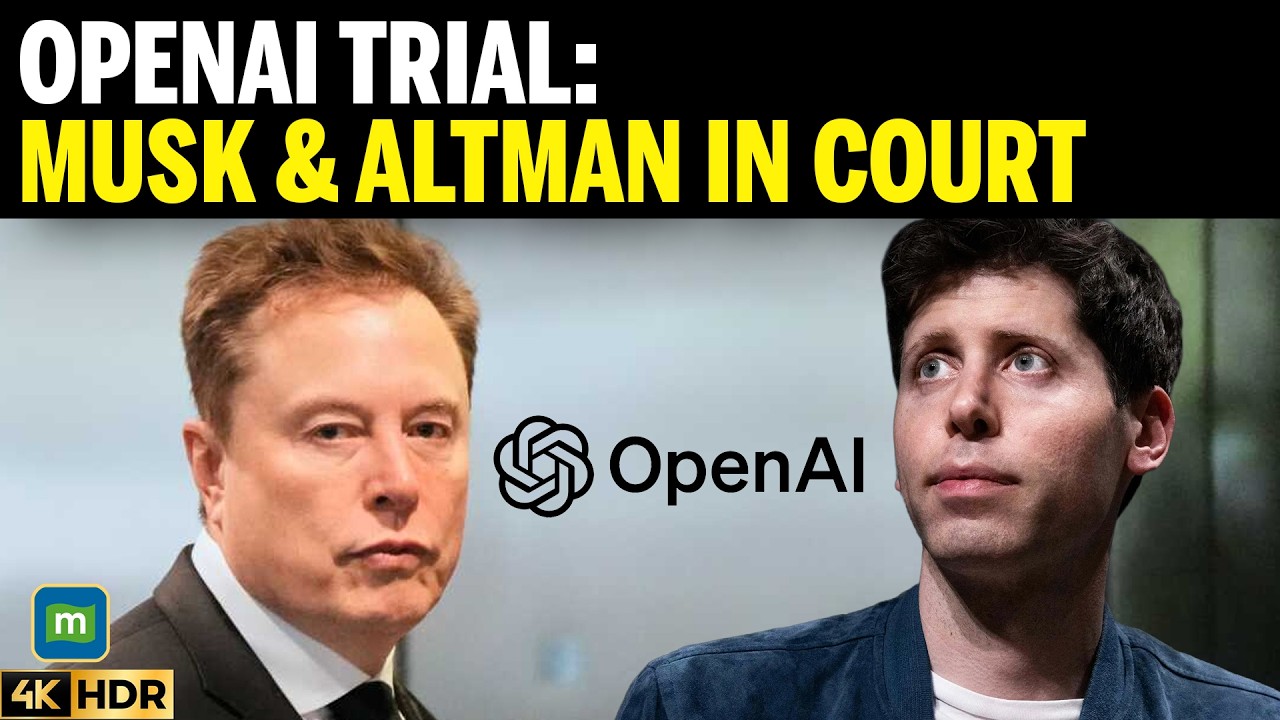
The tech world’s most anticipated legal showdown has finally arrived in a North Carolina federal court. The Musk v. Altman trial kicked off this week, pitting billionaire Elon Musk against his former protégé and OpenAI co-founder, Sam Altman. At the heart of the dispute is a fundamental question that could reshape the future of artificial intelligence: Did OpenAI betray its founding mission to benefit humanity in favor of a multi-billion dollar partnership with Microsoft? As the first days of testimony unfold, the courtroom has become a stage for clashing visions of AI safety, corporate ethics, and the personal rivalries that define Silicon Valley.
The Origins of a Feud: Saving Humanity or Building a Behemoth?

Elon Musk, taking the stand as the first witness, portrayed himself as the visionary architect of OpenAI. He testified that his involvement was born out of a deep-seated fear of unchecked AI development, specifically citing a conversation with Google’s Larry Page. According to Musk, Page dismissed concerns about AI wiping out humanity, calling Musk a “species-ist” for prioritizing human survival. This interaction, Musk claims, was the catalyst for founding OpenAI as a non-profit alternative to Google’s perceived “closed” and profit-driven approach. “I came up with the idea, the name, recruited the key people, and provided all the initial funding,” Musk told the jury, emphasizing his role as the organization’s primary benefactor in its early years.
However, the defense painted a different picture. OpenAI’s lawyers argued that Musk’s departure in 2018 was not just about a conflict of interest with Tesla’s own AI efforts, but a failed attempt to take full control of the organization. They presented evidence suggesting that Musk himself had once supported a for-profit pivot to secure the massive computing power needed for advanced AI models. This trial is not just about legal contracts; it’s a battle over the soul of AI. For more on how these innovations are shaping our world, check out our recent coverage on AI breakthroughs from Meta, Google, and OpenAI.
Musk on the Stand: A “Petty” Performance?

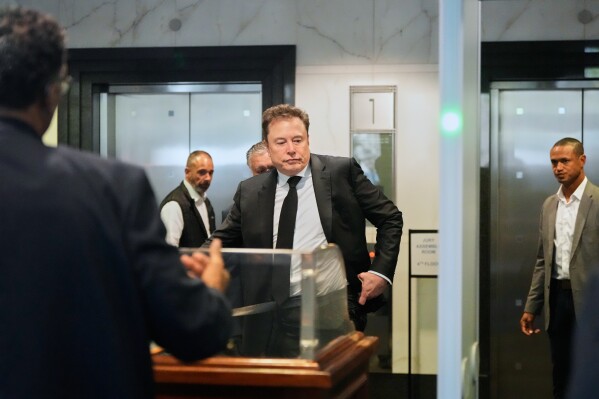
Observers in the courtroom noted a distinct shift in Musk’s demeanor compared to previous legal battles. While he has historically been known for his charismatic and sometimes combative presence on the stand, reporters from The Verge described his opening testimony as “unfocused and uncharming.” Musk spent a significant amount of time recounting his personal biography, from his upbringing in South Africa to his 80-to-100-hour workweeks. When asked about his specific contributions to OpenAI, he quipped, “Besides that, nothing,” a line that reportedly fell flat with the jury.
The testimony also touched on sensitive personal topics, including the role of Shivon Zilis, a former OpenAI board member and the mother of several of Musk’s children. When asked to explain her role, Musk’s hesitant response—”Shivon was the, um, my chief of staff and, uh, you know”—drew laughter from the gallery but left the jury looking puzzled. These moments of levity and awkwardness underscore the deeply personal nature of the Musk v. Altman trial, where professional grievances are inextricably linked to private relationships.
The Future of OpenAI and the AGI Race

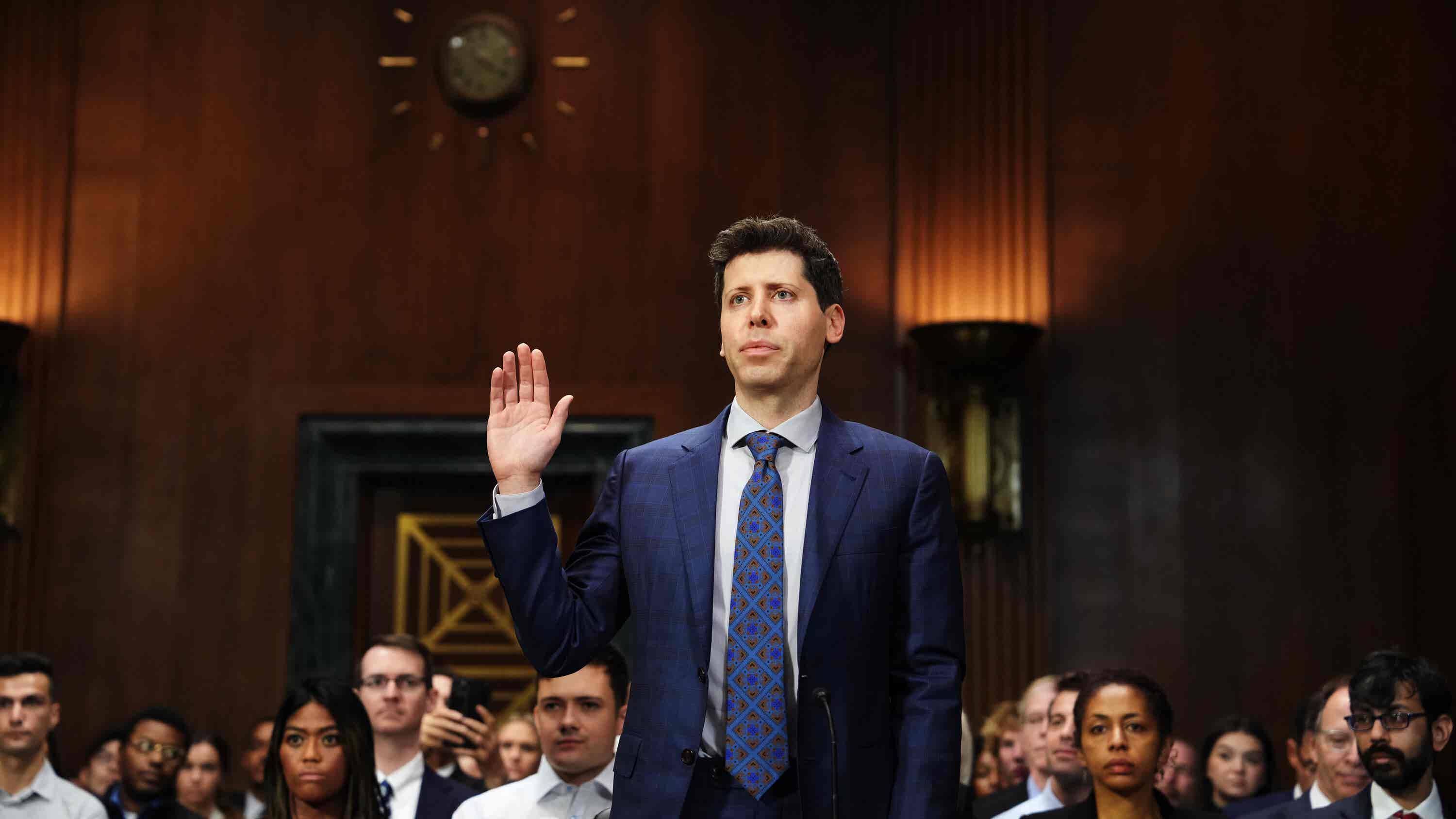
As the trial progresses, the focus is expected to shift toward the technical and financial aspects of OpenAI’s transition to a “capped-profit” model. The jury will have to decide if this shift constituted a breach of a “founding agreement” that Musk claims existed, despite the lack of a formal, signed contract. The implications are enormous. If Musk prevails, it could force OpenAI to open-source its most advanced models, including GPT-4, and potentially sever its lucrative ties with Microsoft. This would be a seismic shift in the AI industry, which is currently dominated by a handful of tech giants.
The concept of Artificial General Intelligence (AGI) has also loomed large in the proceedings. Musk defined AGI as a computer that “becomes as smart as any human, arguably smarter.” He argues that OpenAI’s current path prioritizes profit over the safety protocols necessary for such a powerful technology. As we look toward the future, the outcome of this trial will likely dictate the regulatory and ethical framework for AI development for years to come. For a deeper dive into the competitive landscape, see our comparison of the latest smartphone AI capabilities, which shows how these high-level legal battles eventually trickle down to the gadgets in our pockets.
Conclusion: A Trial with No Easy Answers
The Musk v. Altman trial is more than just a dispute between two tech titans; it is a public debate over who should control the most transformative technology of our time. Whether you view Musk as a principled defender of humanity or a disgruntled founder seeking revenge, the evidence presented in this case will provide an unprecedented look into the inner workings of the world’s most influential AI lab. As the legal teams prepare for cross-examination, the world watches to see if the “open” in OpenAI will once again become a reality or remain a relic of its founding past.