





ChatGPT: The Conversational AI Hub
ChatGPT, OpenAI’s flagship conversational AI, will serve as the central intelligence of the superapp. Users will be able to interact with ChatGPT for a wide range of tasks, from generating text and answering complex questions to assisting with research and content creation. Its integration means that AI assistance will be readily available across all functionalities of the superapp.

Atlas Browser: AI-Powered Web Exploration
The Atlas browser, launched in October 2025, is designed to integrate AI directly into web browsing. It offers features like AI-powered search, content summarization, and intelligent task automation. Within the superapp, Atlas will provide a context-aware browsing experience, allowing ChatGPT to understand and act upon web content more effectively. This means users can ask ChatGPT to perform actions like summarizing articles, extracting information from web pages, or even filling out forms, all within the browser environment.

Codex: Bridging AI and Code
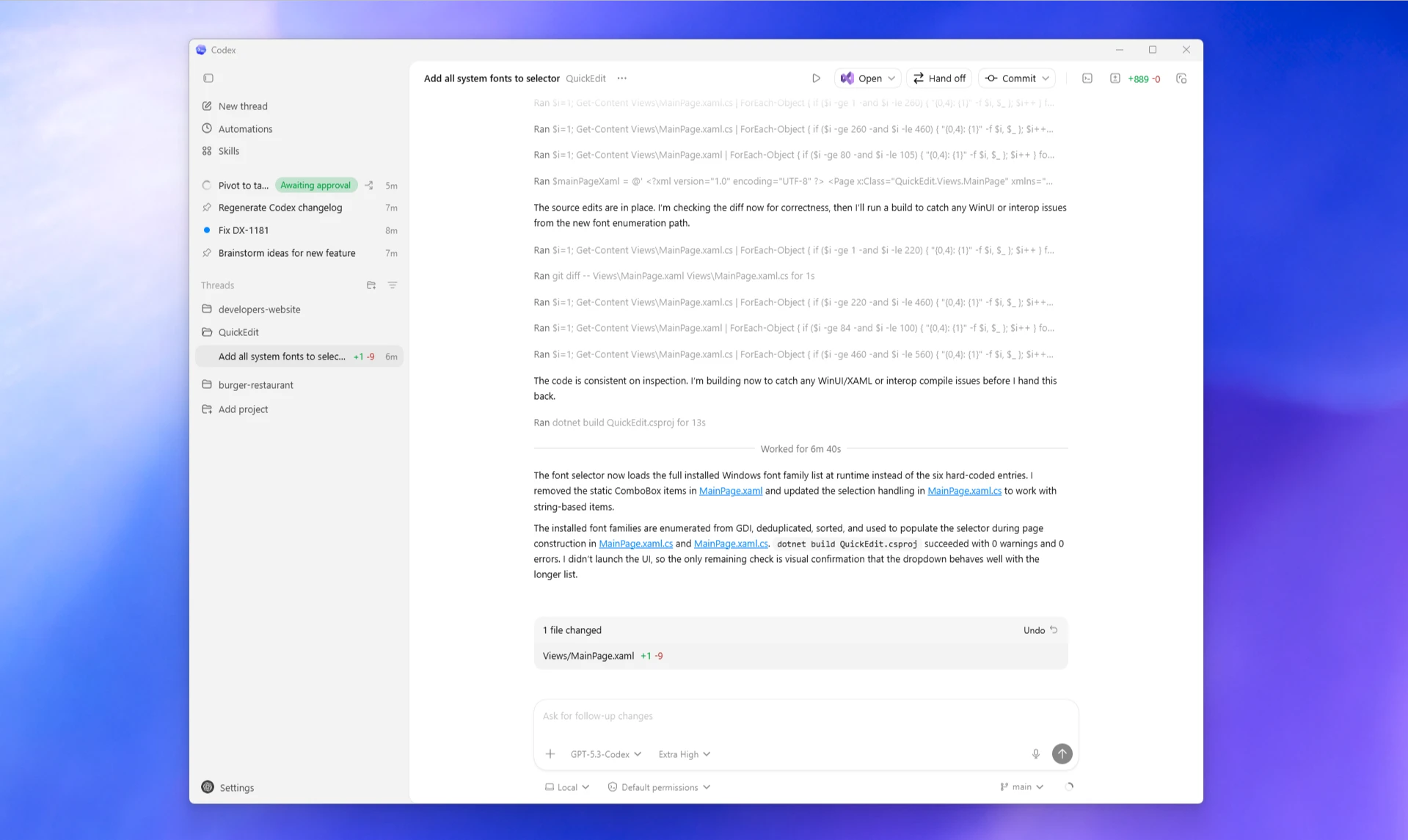
Codex, the AI model that powers GitHub Copilot, is OpenAI’s advanced coding assistant. Its inclusion in the superapp will empower developers with AI-driven code generation, debugging, and optimization capabilities. This integration will enable a more intuitive and efficient coding workflow, allowing developers to leverage AI directly within their development environment.
Impact and Future Implications
The OpenAI superapp is poised to significantly impact various sectors, from software development and content creation to general productivity. By centralizing these powerful AI tools, OpenAI aims to lower the barrier to entry for advanced AI usage, making it more accessible to a broader audience. The superapp could set a new standard for AI integration in desktop environments, pushing other tech giants to follow suit.
Comparison: OpenAI Superapp vs. Standalone Tools
| Feature | Standalone Tools (ChatGPT, Atlas, Codex) | OpenAI Desktop Superapp |
|---|---|---|
| User Experience | Disjointed, requires switching between applications | Seamless, unified interface |
| Integration | Limited, manual data transfer | Deep, context-aware integration |
| Productivity | Good, but with workflow interruptions | Enhanced, streamlined workflows |
| Accessibility | Requires individual access to each tool | Single point of access for all tools |
| Future Potential | Individual tool improvements | Synergistic advancements, new AI capabilities |
While the individual tools are powerful on their own, the superapp promises a synergistic effect, where the combined capabilities offer more than the sum of their parts. This approach could lead to new forms of AI assistance and automation that are currently unimaginable.
Conclusion
OpenAI’s desktop superapp represents a significant leap forward in AI accessibility and integration. By bringing together ChatGPT, Atlas, and Codex into a single application, OpenAI is not just offering convenience but is also paving the way for a new era of AI-powered productivity and innovation. As the superapp rolls out, it will be fascinating to observe its impact on how we interact with technology and harness the power of artificial intelligence in our daily lives.