





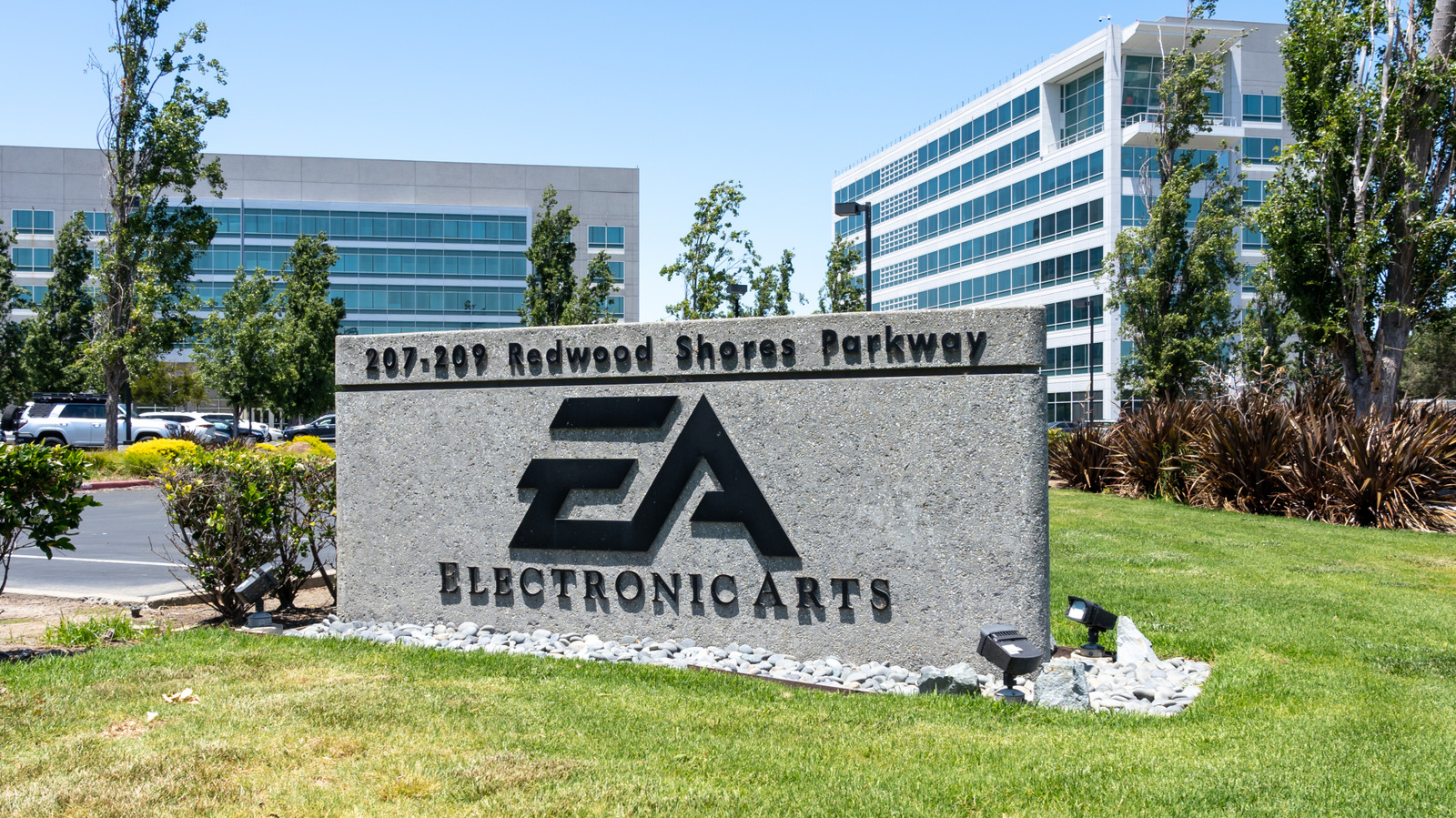
Electronic Arts goes private next week after the company confirmed that all regulatory approvals for its $55 billion acquisition have been obtained. The deal is expected to close on or around the close of trading on August 4, 2026, ending EA’s 35-year run as a publicly traded company.
The buyers are Saudi Arabia’s Public Investment Fund, Silver Lake and Affinity Partners. EA said CEO Andrew Wilson will continue to lead the company, while its headquarters will remain in Redwood City, California. The transaction was previously described as the largest leveraged buyout ever, placing one of the world’s biggest game publishers under private ownership.
Why Electronic Arts is leaving the public market
The move comes after several turbulent years for the video game industry. Large publishers have faced rising development costs, slower growth after the pandemic-era gaming boom, layoffs, project cancellations and pressure from investors looking for steadier returns. EA itself has cut jobs, canceled projects, closed studios and pulled back from some franchises.
Going private changes the company’s operating environment. EA will no longer need to answer to public shareholders every quarter in the same way, which can give management more room to make long-term decisions. That may help with expensive franchises that need multi-year investment, but it can also increase pressure to generate cash if the buyout adds heavy debt obligations.
The deal also reflects a broader shift in gaming finance. Private equity and sovereign wealth funds have become more aggressive in entertainment, sports and game assets. Gaming companies own intellectual property, live-service platforms, sports licenses, subscription revenue and large player communities, making them attractive to investors with long time horizons.
What the $55 billion deal means for EA games
EA owns some of the most recognizable franchises in gaming, including EA Sports FC, Madden NFL, Battlefield, The Sims and Titanfall. The company also has a major presence in live-service gaming, sports licensing and annualized releases. Those assets give the new owners a large base of recurring revenue, but they also come with a demanding audience that reacts quickly to pricing, monetization and quality changes.
Players should not expect every EA game to change overnight once the transaction closes. Existing release schedules, studio structures and live-service operations are unlikely to flip immediately. The bigger question is what happens over the next several years: which franchises receive more funding, which projects are cut, and whether EA becomes more aggressive with subscriptions, in-game purchases or platform partnerships.
The timing is notable because EA recently had a major success with Battlefield 6, which Engadget noted became a large hit after release. A strong franchise cycle gives the company leverage as it moves into private ownership. It also gives the new ownership group a clearer reason to keep investing in premium console and PC releases rather than focusing only on cost reduction.
Why regulators approved the acquisition
EA said in its filing that all required regulatory approvals had been obtained as of July 30, 2026. That clearance matters because a transaction of this size involves multiple jurisdictions and ownership interests. It also arrives at a time when regulators are watching consolidation across the gaming industry, especially after years of major platform and publisher deals.
This deal is different from a platform holder buying a game publisher. EA is not being absorbed by Microsoft, Sony, Nintendo or another console gatekeeper. Instead, the buyer group is financial and strategic. That likely shaped the regulatory review, though the full long-term competitive impact will depend on how the owners manage EA’s publishing power.
The new private era for Electronic Arts
For the industry, the most important detail is that one of gaming’s largest publishers is leaving public markets at a moment when the business is still searching for a new post-boom balance. Development budgets are climbing, players are selective, and not every live-service title can become the next billion-dollar platform.
If private ownership gives EA patience, the company could use the next phase to rebuild trust around major franchises, invest in stronger single-player and multiplayer releases, and stabilize studios after years of cuts. If the deal instead pushes the company toward heavier monetization or sharper cost control, players and developers may feel the change quickly.
Electronic Arts goes private as a strong but closely watched gaming giant. The company has scale, brands and fresh momentum, but the next test is whether private ownership improves the games, the studios and the player experience that made EA valuable in the first place.
Source: Engadget