




Using your phone less is not only a lifestyle slogan. For many people, it has become a practical response to an uncomfortable truth: the device that helps us work, navigate, pay, communicate and learn can also quietly consume the empty spaces of the day.
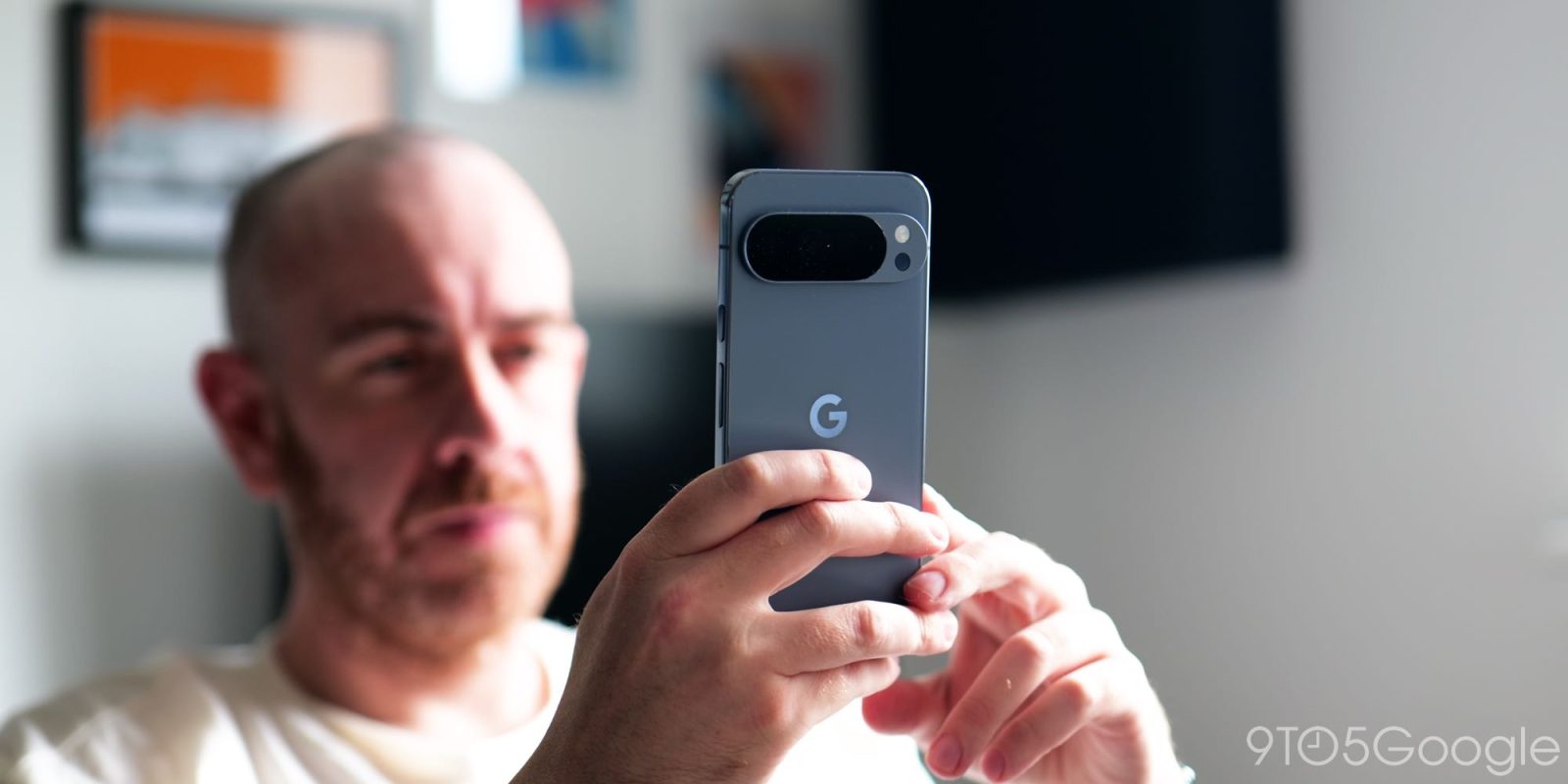
A new personal essay from 9to5Google writer Damien Wilde is useful because it does not treat smartphones as the enemy. Wilde writes about Android and consumer technology for a living, yet still found that his screen time and social media habits were making him less present. His solution was not to abandon the phone, but to put friction between himself and the reflex to scroll.
The problem starts with automatic scrolling
Phone overuse rarely begins with a deliberate decision to waste an hour. It usually starts with a small automatic action: opening a social app, refreshing a feed, checking a notification or filling a quiet moment with a quick look. The trouble is that a quick look can become twenty minutes before the user notices what happened.
Wilde says Twitter was once the main trigger for him, but deleting one platform did not end the habit. The behavior moved to Threads, Instagram, Bluesky and then Reddit. That is the important lesson. The addiction is not always tied to one app. It can be tied to the phone as the default object we reach for whenever there is silence, boredom or mild discomfort.
Digital Wellbeing tools can help, but they often fail when the user can bypass them with a tap. App timers are useful reminders, yet they are weak barriers if the underlying habit remains unchanged. A stronger approach is to make the unwanted behavior less convenient.
Replace the phone with another object
The most practical advice from the essay is simple: substitute the phone, not just the service. Wilde still needs a phone for maps, payments, rides, messages and daily work. Instead of pretending the device can disappear, he keeps it away during moments where it usually becomes a distraction.
For television and movies, that may mean leaving the phone in another room. For bedtime, it may mean charging the phone away from the bed and using another device, such as a smart display, as an alarm. For spare time, it may mean reaching for a book, an e-reader, a game controller or a notebook before reaching for the phone.
The goal is not perfection. It is to change the first move. If the phone is no longer beside the pillow, on the sofa or in the hand during every break, the user has a chance to choose something else before the scroll begins.
Bathrooms, bedrooms and cinemas matter
Wilde highlights a few everyday boundaries that many users will recognize. One is not taking the phone to the bathroom. Another is making the bed a no-phone zone. He also mentions going to the cinema when he wants to truly watch a movie, because the environment forces attention in a way that casual viewing at home often does not.
These examples work because they are specific. Broad intentions such as “use my phone less” are easy to ignore. Rules tied to places are easier to remember: no phone in bed, no phone in the bathroom, no phone during a movie, no social apps on the handset. Each boundary protects a part of the day.
A healthier relationship with technology
This kind of digital reset does not require rejecting modern devices. Smartphones remain essential tools. The healthier question is whether the phone is serving the user or training the user to serve the feed. Moving social platforms to a desktop browser, placing the phone out of reach at night and choosing a different object during idle moments are small changes with real force.
For readers who feel their screen time is too high, the first step is to check the numbers honestly. The second is to identify the places and apps that create automatic behavior. The third is to add friction where willpower is weakest. Used well, a phone can still be a powerful tool. Used constantly, it becomes the background noise of life.
Source: 9to5Google