





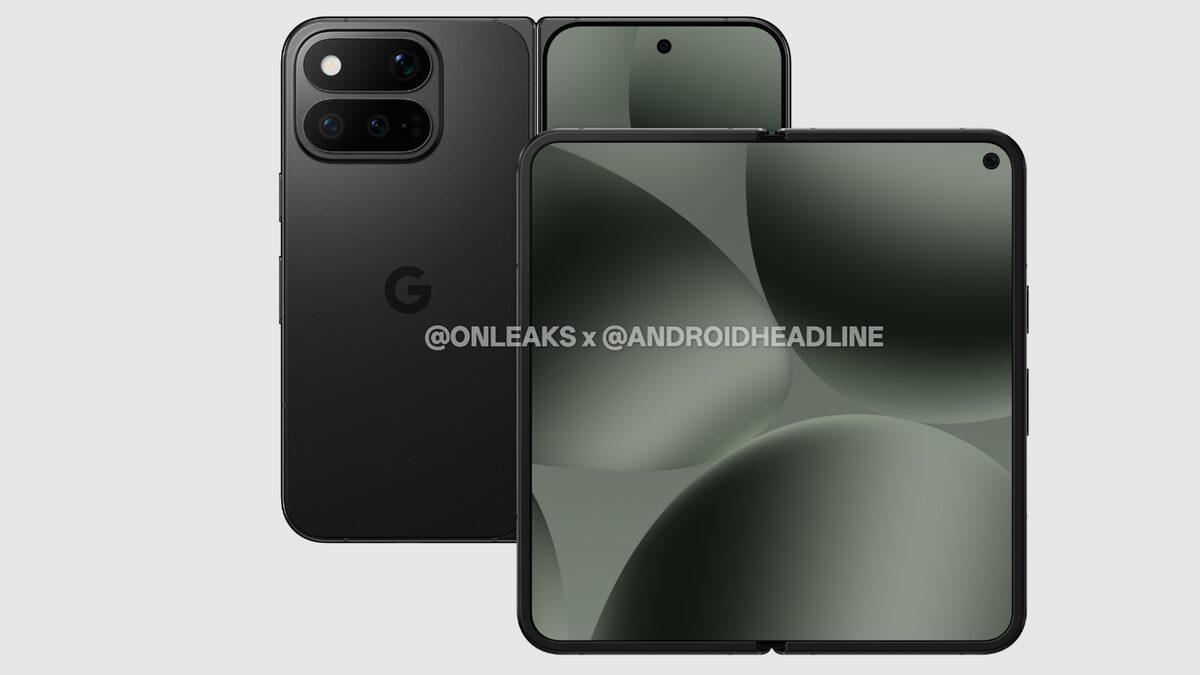
The foldable smartphone market is heating up, and all eyes are on Google. It is officially Google Pixel 11 Pro Fold leak season, and the first batch of CAD-based renders has surfaced online. While foldable enthusiasts eagerly anticipated a radical redesign to compete with ultra-thin rivals, the initial images suggest a strategy of careful refinement over complete reinvention.
Analyzing the Pixel 11 Pro Fold Design Changes
According to the reliable leaker @OnLeaks (via Android Headlines), the upcoming Pixel 11 Pro Fold retains a highly familiar silhouette. The signature off-center camera island returns, though it sports a slightly updated look featuring noticeably protruding camera lenses. The external screen aspect ratio and the general hinge mechanism appear largely carried over from the Pixel 10 Pro Fold.
Dimensions: Is It Thinner?
Dimensions are crucial in the foldable space. The leak indicates the Pixel 11 Pro Fold measures 10.1mm when folded and 4.8mm when unfolded. This is a welcome slimming down from the Pixel 10 Pro Fold (10.8mm folded / 5.2mm unfolded), but it still trails behind aggressively thin alternatives like the Honor Magic V6 or the Galaxy Z Fold 7.
Beneath the Surface: Tensor G6 and Face Unlock Specs
Design continuity on the outside often points to massive changes on the inside. Current leaks point toward Google integrating a highly anticipated MediaTek modem alongside the upcoming Tensor G6 chip, ditching the Samsung modem utilized in the Pixel 10 series. This could drastically improve cellular efficiency and battery life.
Furthermore, internal space might be dedicated to what is codenamed “Project Toscana”—a robust hardware upgrade for Face Unlock, potentially rivaling Apple’s Face ID system. These demanding hardware additions easily justify the device remaining slightly thicker than its competition.
Editorial Verdict
By electing to iterate rather than overhaul, Google is signaling maturity in its foldable pipeline. The Pixel 11 Pro Fold aims to perfect the user experience, leaning heavily on hardware efficiency (Tensor G6) and AI software prowess rather than relying solely on flashy new form factors. Expect this highly-refined foldable to hit the market around August 2026.