




In a groundbreaking study that could redefine the future of emergency medicine, researchers from Harvard Medical School and Beth Israel Deaconess Medical Center have revealed that artificial intelligence models, specifically OpenAI’s o1, can outperform human doctors in diagnosing complex medical cases. The study, published this week in the prestigious journal Science, highlights a significant leap in the diagnostic capabilities of large language models (LLMs) when faced with real-world emergency room scenarios.
The Harvard Study: AI vs. Human Doctors

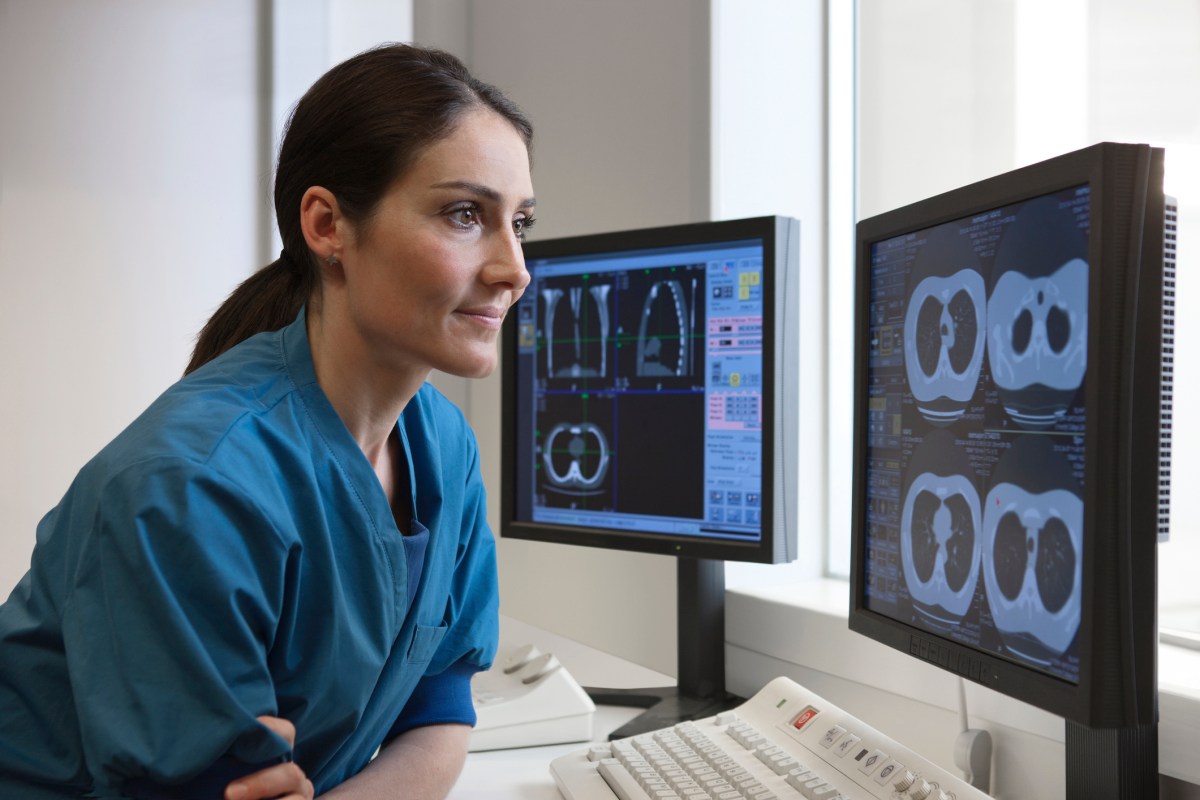
The research team, led by physicians and computer scientists, conducted a series of rigorous experiments to measure how OpenAI’s latest models compared to seasoned human physicians. One of the most compelling experiments focused on 76 patients who sought care at the Beth Israel emergency room. The researchers compared the diagnoses provided by two internal medicine attending physicians with those generated by OpenAI’s o1 and 4o models.
To ensure an unbiased evaluation, the diagnoses were assessed by two other attending physicians who were unaware of whether the diagnosis originated from a human or an AI. The results were startling: at every diagnostic touchpoint, the o1 model performed either nominally better than or on par with the human physicians and the 4o model. This performance was particularly notable during the initial ER triage, a phase characterized by limited patient information and high urgency.
Unprecedented Accuracy in Triage

One of the key strengths of the study was its use of raw, unprocessed data. The AI models were presented with the exact same information available in the electronic medical records at the time of each diagnosis. Under these conditions, the o1 model successfully provided the exact or a very close diagnosis in 67% of triage cases. In contrast, the human physicians achieved the same level of accuracy 55% and 50% of the time, respectively.
Arjun Manrai, head of an AI lab at Harvard Medical School and one of the study’s lead authors, noted that the AI model eclipsed both prior models and physician baselines across virtually every benchmark. This suggests that the reasoning capabilities of newer models like o1 are reaching a level where they can effectively synthesize complex medical data to provide accurate clinical insights.
The Human Element and Accountability

Despite these impressive results, the researchers were quick to emphasize that AI is not yet ready to replace human doctors in making life-or-death decisions. Adam Rodman, a Beth Israel doctor and lead author, pointed out the lack of a formal framework for accountability regarding AI-generated diagnoses. Furthermore, patients still express a strong preference for human guidance when navigating challenging treatment decisions and life-altering moments.
The study also acknowledged certain limitations. The AI models were tested primarily on text-based information, whereas real-world medical practice involves a significant amount of non-textual data, such as physical examinations and visual cues. Current foundation models are still limited in their ability to reason over these non-text inputs, which remains a critical area for future development.
Expert Perspectives and Future Trials

The findings have sparked a lively debate within the medical community. Kristen Panthagani, an emergency physician, cautioned against overhyped headlines, noting that the study compared AI to internal medicine physicians rather than ER specialists. She argued that the primary goal of an ER doctor is often to rule out life-threatening conditions rather than to pinpoint an ultimate diagnosis immediately.
However, the study underscores an “urgent need” for prospective trials to evaluate these technologies in real-world patient care settings. As AI continues to evolve, its role as a diagnostic aid could become invaluable, helping to reduce errors and improve patient outcomes in high-pressure environments like the emergency room. For more on the latest advancements in AI, you can read about the Stanford HAI 2026 AI Index and how it reflects the global race for AI supremacy.
As we move forward, the integration of AI in healthcare will likely focus on a collaborative model, where the analytical power of machines complements the empathy and clinical judgment of human practitioners. The Harvard study is a significant milestone in this journey, providing a glimpse into a future where AI and humans work together to save lives.