


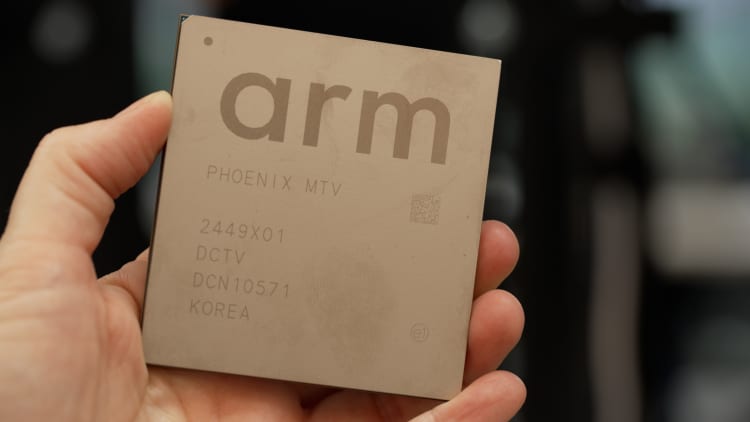
In a historic departure from its decades-long business model, Arm Holdings Plc has officially unveiled its first-ever in-house semiconductor, the AGI CPU. This move marks a seismic shift in the semiconductor industry, as the company known as the “Switzerland” of chip technology transitions from being a neutral licensor to a direct competitor with its own customers.
A Strategic Pivot to AI Infrastructure
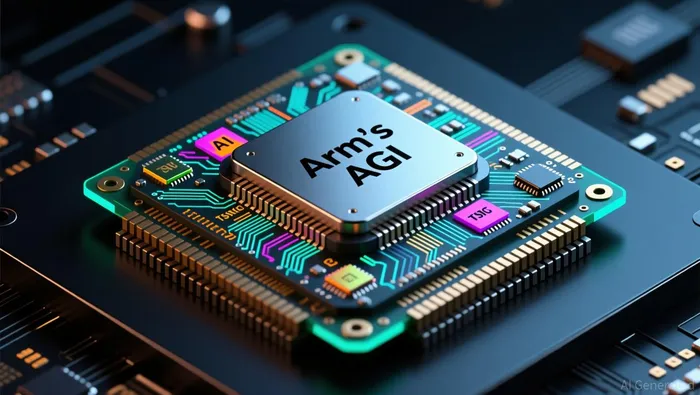
For over 30 years, Arm has dominated the mobile world by licensing its architecture to giants like Apple, Nvidia, and Qualcomm. However, the explosive demand for Artificial Intelligence (AI) infrastructure has prompted the company to take manufacturing into its own hands. The new AGI CPU is specifically designed for AI data centers, targeting the massive compute needs of modern large language models.
Meta Platforms Inc. has already signed on as the debut customer for the AGI CPU. With Meta planning to spend upwards of $65 billion on AI infrastructure this year, Arm’s move into physical hardware allows it to capture a significant portion of that capital expenditure directly, rather than relying solely on licensing fees.
Comparing the New AGI CPU to Industry Standards
The AGI CPU represents a bold step into the server market, focusing on efficiency and specialized AI workloads. Below is a comparison of how Arm’s new strategy stacks up against the traditional licensing model and current market competitors.
| Feature | Traditional Arm Model | New Arm AGI CPU | Industry Competitors (Intel/AMD) |
|---|---|---|---|
| Business Model | IP Licensing | Direct Sales | Direct Sales |
| Target Market | Mobile, IoT, Automotive | AI Data Centers | General Server, AI, Consumer |
| Primary Advantage | Neutrality, Low Power | Optimized AI Performance | Established Ecosystem |
| Customer Relationship | Partner/Licensor | Direct Supplier | Competitor |
The Impact on the Global Chip Ecosystem
Arm’s decision to sell its own chips is not without risk. By entering the hardware market, Arm risks alienating long-term partners who may now view the company as a threat. However, analysts suggest that the potential revenue from direct AI chip sales could far outweigh any loss in licensing royalties. The SoftBank-backed firm is also reportedly in talks to acquire Ampere LLC, a move that would further solidify its position in the data center space.
Future Outlook: A New Era for Arm
As part of the Project Stargate initiative—a $500 billion AI infrastructure plan—Arm is positioned as a critical technology partner. The launch of the AGI CPU is just the beginning of what appears to be a broader strategy to dominate the AI compute era. While the transition from “Switzerland” to “Competitor” is bold, the sheer scale of the AI market may justify the gamble.
In conclusion, Arm’s transition to a physical chip manufacturer represents one of the most significant changes in the tech landscape this decade. With Meta leading the way as a primary customer, all eyes will be on the performance of the AGI CPU and how it reshapes the future of AI computing.