




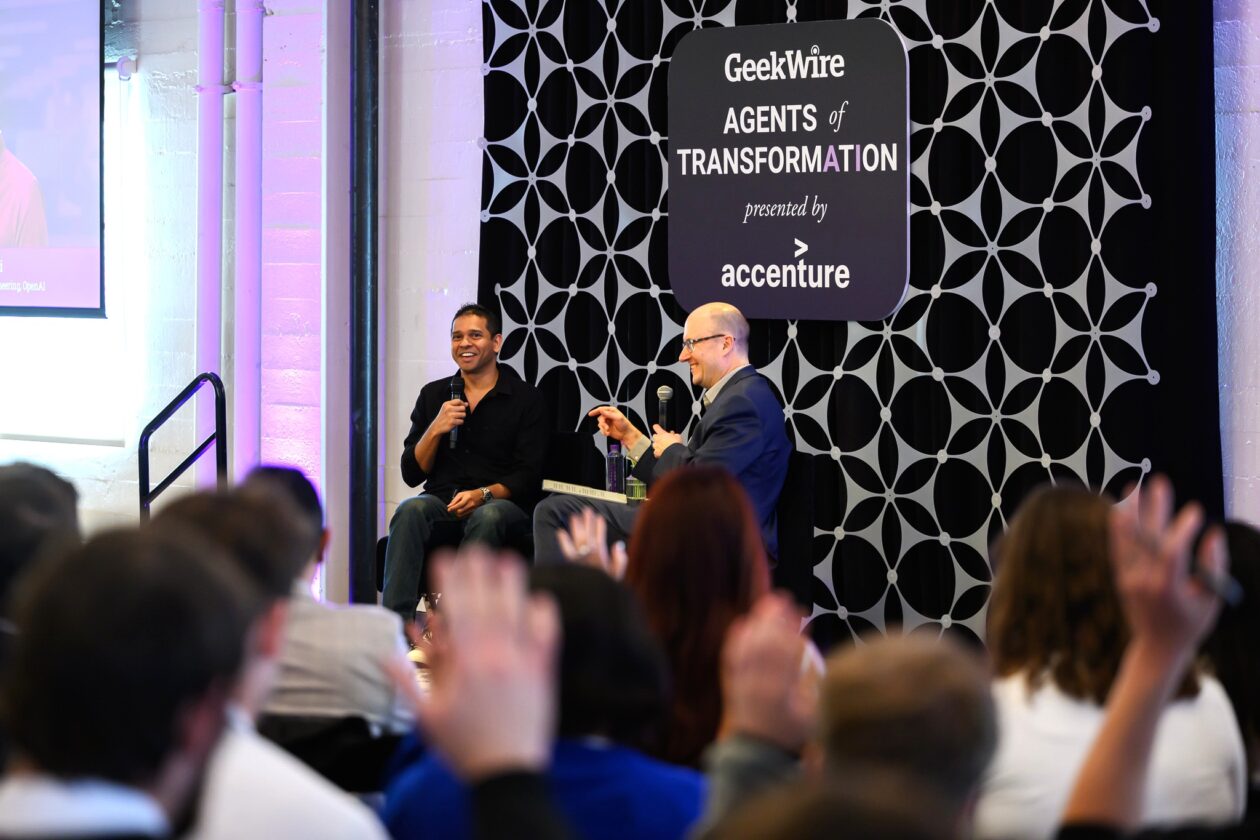
The artificial intelligence landscape is shifting from a period of experimental wonder to one of hard economic reality. At the recent GeekWire AI Summit, “Agents of Transformation,” held in Seattle, industry leaders from Microsoft, OpenAI, and beyond gathered to discuss the next phase of the AI revolution. The overarching theme? It’s no longer just about what AI can do, but what it costs to do it and how we measure its true value.
The Rise of Token Budgets in the Workplace

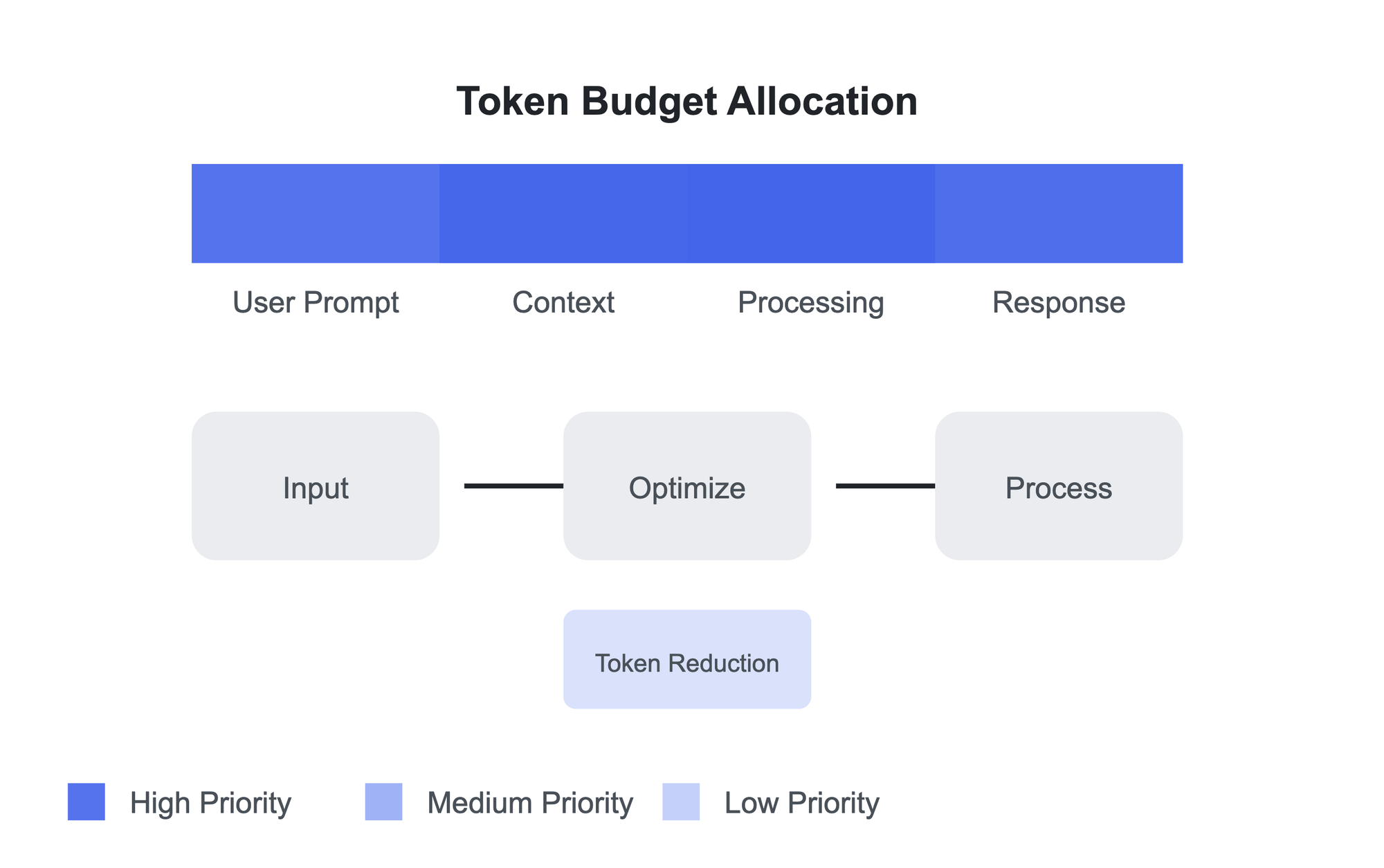
One of the most surprising takeaways from the summit was the emergence of “token budgets” as a critical business metric. Charles Lamanna, Microsoft’s EVP of Business and Industry Solutions, and Vijaye Raji, OpenAI’s CTO of Applications, highlighted how AI consumption is becoming a central part of corporate strategy. In some cases, token budgets are even becoming a point of negotiation in new hire discussions, similar to how cloud computing credits or travel budgets were handled in previous eras.
The “vibe coding” era—where developers and creators experiment freely without regard for cost—is facing a reality check. One startup founder shared a cautionary tale of an engineer who burned through $5,000 in AI tokens over a single weekend. As companies move from experimental “vibes” to production-ready agents, managing these costs will be the difference between a sustainable AI strategy and a financial drain.
Beware of “Watermelon Metrics”

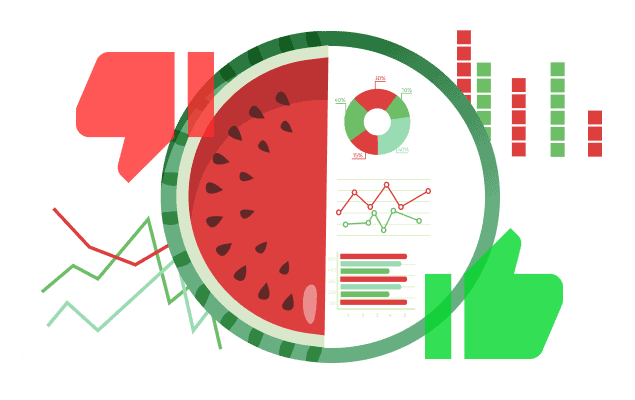
Liat Ben-Zur, a prominent digital transformation leader, introduced a term that resonated deeply with the audience: “Watermelon Metrics.” These are performance indicators that appear green (healthy) on the outside but are actually red (failing) on the inside. In the context of AI, this often refers to projects that show high engagement or technical success but are hemorrhaging money or failing to deliver actual ROI.
| Metric Type | Appearance (Outside) | Reality (Inside) | AI Example |
|---|---|---|---|
| Healthy Metric | Green | Green | AI agent reducing support tickets while maintaining low API costs. |
| Watermelon Metric | Green | Red | High user engagement with a chatbot that costs more in tokens than the customer’s lifetime value. |
| Vanity Metric | Green | Yellow | Number of AI prompts generated without any measurable impact on business outcomes. |
The End of the “Pure Chat” Era
The summit also signaled a shift away from simple chatbots toward autonomous AI agents. The “pure chat” era, where users interact with a blank text box, is being replaced by agents that live within existing workflows. Whether it’s Microsoft Copilot or specialized OpenAI applications, the focus is now on agents that can execute tasks, manage schedules, and operate with a degree of independence.
However, this independence comes with a price tag. OpenAI’s recent decision to pause Sora due to estimated processing costs of $15 million a day serves as a stark reminder that even the most impressive technology must eventually find a path to profitability. For businesses, the message is clear: the next phase of AI is about transformation that is both intelligent and economically viable.
Conclusion: From Hype to Hybrid Intelligence
As the GeekWire AI Summit concluded, the sentiment was one of cautious optimism. The tools are more powerful than ever, but the “free lunch” of subsidized credits and unmonitored usage is coming to an end. Businesses that succeed in 2026 will be those that can balance the transformative power of AI agents with the disciplined management of token budgets and a clear-eyed view of their true performance metrics.