


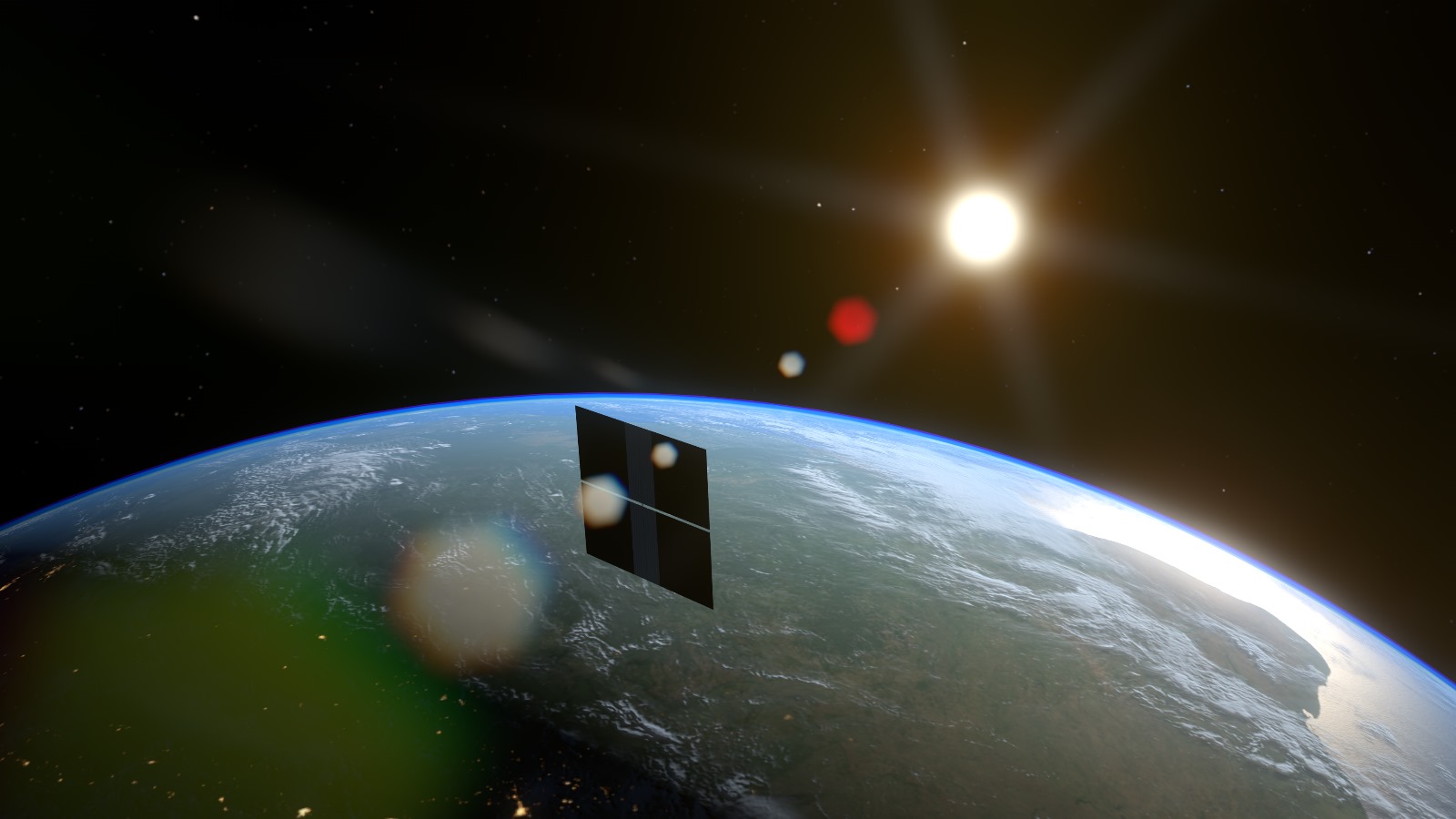
The future of artificial intelligence and data processing is literally looking up, as Seattle-area startup Starcloud (formerly Lumen Orbit) has achieved unicorn status with a staggering $170 million Series A funding round, valuing the company at $1.1 billion. This meteoric rise, announced on March 30, 2026, positions Starcloud as a pioneer in the burgeoning field of space-based data centers, promising to revolutionize how we power and cool the computational backbone of our digital world.
Starcloud’s Vision: Data Centers Beyond Earth’s Constraints
Starcloud’s innovative approach addresses critical challenges facing terrestrial data centers: the insatiable demand for power, the massive water consumption for cooling, and increasing local opposition to new facilities. By moving AI compute to low Earth orbit (LEO), Starcloud aims to tap into unlimited solar power and leverage the vacuum of space for efficient cooling, effectively removing the energy and environmental bottlenecks plaguing ground-based operations.
Technological Prowess and Ambitious Milestones
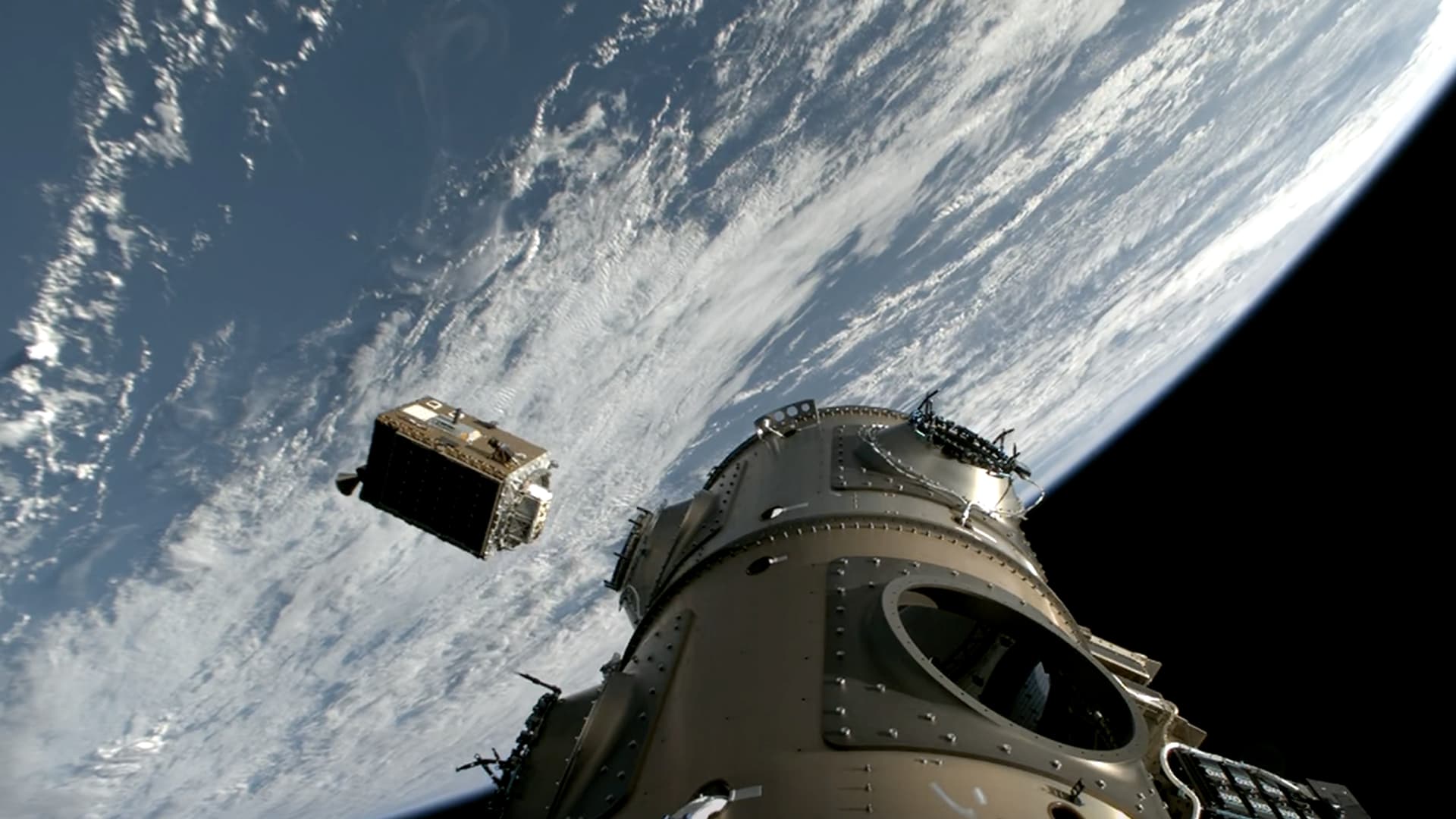
The company’s journey to unicorn status has been marked by significant technological achievements. In November 2025, Starcloud successfully launched Starcloud-1, a 130-pound satellite equipped with an Nvidia H100 chip. This mission not only demonstrated the feasibility of processing AI workloads in orbit but also made history by becoming the first to train a large language model in space. Building on this success, Starcloud plans to launch Starcloud-2 later in 2026, which will feature Nvidia’s cutting-edge Blackwell B200 chips and boast 100 times the power generation capacity of its predecessor.
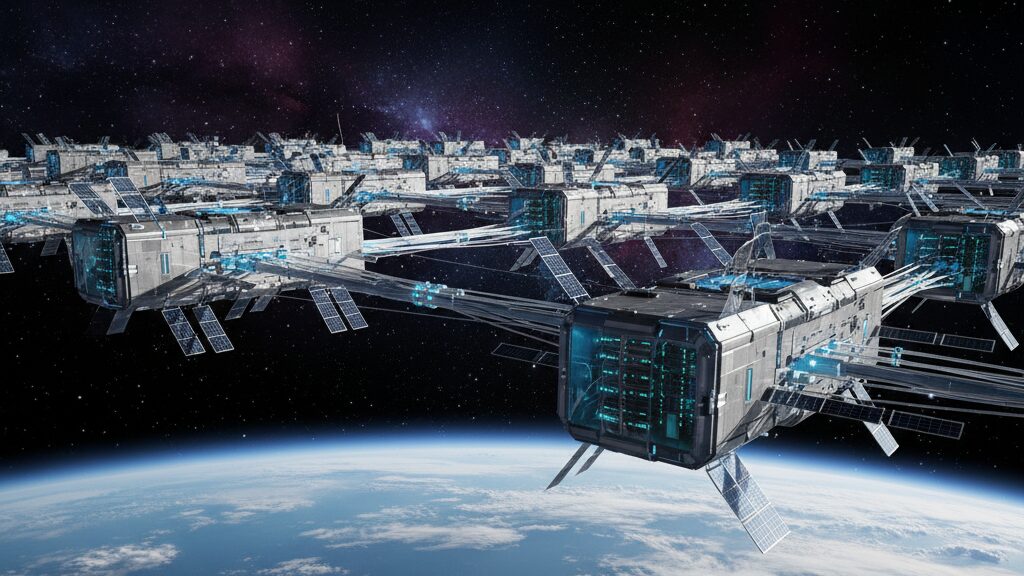
Terrestrial vs. Orbital: A New Paradigm for Data Processing
The shift to space-based data centers represents a fundamental change in infrastructure. Here’s a comparison highlighting the key differences:
| Feature | Terrestrial Data Centers | Starcloud Space Data Centers |
|---|---|---|
| Power Source | Grid (Coal, Gas, Renewables) | 100% Unlimited Solar |
| Cooling | Water/Air (High consumption) | Space-adapted liquid cooling (ISS tech) |
| Location | Ground (Real estate/NIMBY issues) | Low Earth Orbit (LEO) |
| Latency | Low (Direct fiber) | Higher (Satellite link, but improving) |
| Scalability | Limited by land/power grid | High (Constellation based) |
| Environmental Impact | Carbon footprint, water use | Minimal terrestrial footprint |
The Race to Space: Competition and Future Outlook
Starcloud is not alone in this ambitious endeavor. Other major players, including SpaceX (which has filed for up to one million data center satellites), Axiom Space, Kepler Communications, Sophia Space, and even Google with its Project Suncatcher, are exploring similar concepts. However, Starcloud’s CEO, Philip Johnston, emphasizes their significant head start, stating, “We’re two years ahead in terms of having any kind of data and telemetry from how these chips perform on orbit.”

While some, like Microsoft President Brad Smith, remain cautious about the immediate impact of space-based computing, Johnston predicts a tipping point within a decade, where satellite data centers will become the fastest-growing segment, eventually accounting for a significant portion of global compute capacity. This bold vision, backed by a robust $200 million in total funding and a team comprising ex-SpaceX, Airbus, and McKinsey veterans, positions Starcloud at the forefront of a new era in data infrastructure.
Conclusion
Starcloud’s rapid ascent and innovative approach to space-based data centers mark a pivotal moment in the technology landscape. As the demand for AI and high-performance computing continues to surge, solutions that overcome terrestrial limitations will become increasingly vital. With its recent funding success and ambitious plans, Starcloud is poised to lead this charge, transforming the future of data processing and setting new benchmarks for technological innovation.