



After 15 years at the helm, Tim Cook is stepping down as CEO of Apple, marking the end of an era that saw the tech giant transform from a hardware-focused company into a $4 trillion global powerhouse. Cook, who succeeded Steve Jobs in 2011, will officially hand over the reins to John Ternus, Apple’s Senior Vice President of Hardware Engineering, on September 1, 2026. His legacy is defined by unprecedented financial growth, the expansion of Apple’s services ecosystem, and a strategic shift toward in-house silicon that has redefined the personal computing landscape.
Financial Growth and Market Dominance
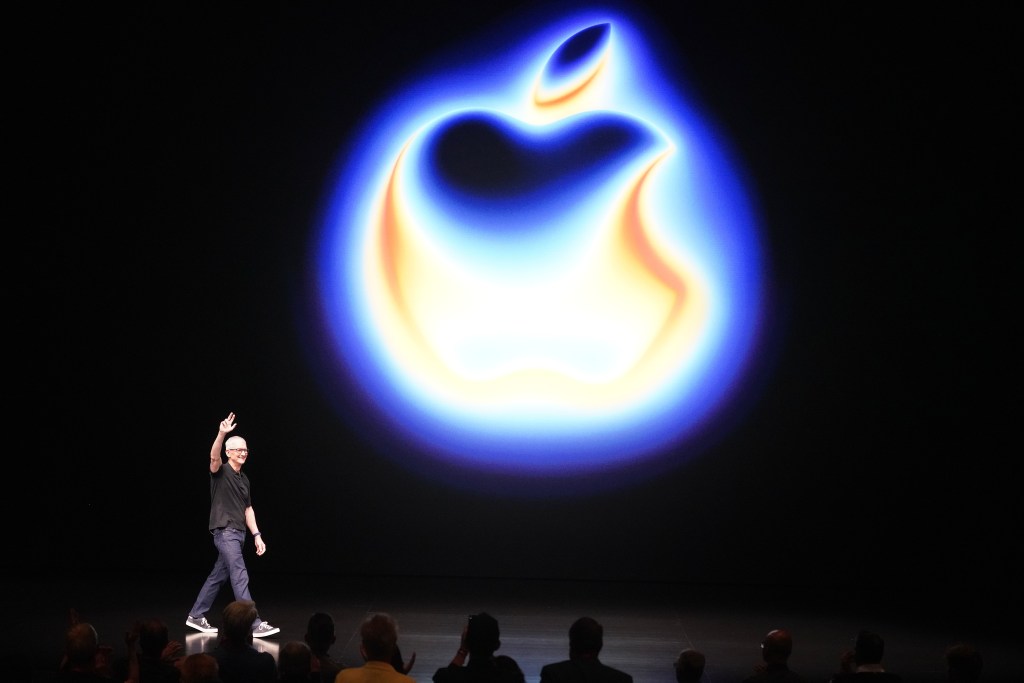
When Tim Cook took over in August 2011, Apple was valued at just under $350 billion. Under his leadership, the company’s market capitalization increased tenfold, passing the $1 trillion mark in 2018 and reaching a staggering $4 trillion in 2025. This financial trajectory was fueled by Cook’s operational expertise, which he honed as Chief Operations Officer under Jobs. He successfully navigated global supply chain challenges, including the COVID-19 pandemic and geopolitical tensions, while expanding Apple’s footprint in China with nearly 200 new stores.
Expanding the Product Ecosystem
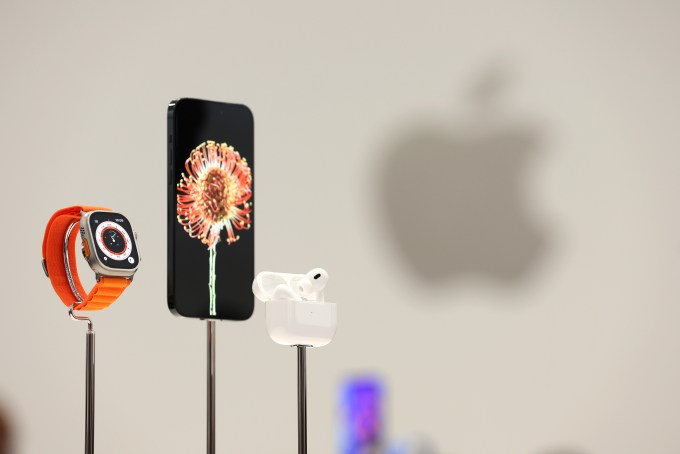
While the iPhone remained the company’s crown jewel, Cook oversaw the launch of entirely new product categories that have become industry standards. The Apple Watch, launched in 2015, evolved from a luxury gadget into a vital health and fitness companion. Similarly, the introduction of AirPods in 2016 revolutionized the wireless audio market. More recently, the Apple Vision Pro, launched in 2024, signaled Apple’s entry into spatial computing, though it continues to face the challenge of mass-market adoption due to its premium pricing.
The Rise of Apple Services
One of Cook’s most significant strategic pivots was the aggressive expansion of Apple’s services business. From Apple Pay and Apple Music to Apple TV+ and Apple Arcade, the company built a recurring revenue stream that generated over $109 billion in the 2025 fiscal year alone. This shift has not only diversified Apple’s income but also deepened user lock-in within the ecosystem. Notably, Apple TV+ achieved critical acclaim, becoming the first streaming service to win the Academy Award for Best Picture with CODA.
The Apple Silicon Revolution
In 2020, Cook initiated one of the most ambitious technical transitions in the company’s history: the move from Intel processors to in-house Apple Silicon. By 2023, the entire Mac lineup was powered by M-series chips, delivering industry-leading performance and power efficiency. This move gave Apple total control over its hardware and software integration, further distancing its products from competitors. For more on how these innovations shape the industry, check out our report on AI breakthroughs from Meta, Google, and OpenAI.
The AI Era and Future Challenges
As Cook prepares to step down, Apple is navigating the complex landscape of generative AI. While the company introduced “Apple Intelligence” in 2024, it has been perceived as playing catch-up to rivals like OpenAI and Google. The upcoming integration of Google’s Gemini to power next-gen AI tools on Apple devices suggests a more collaborative approach to the AI race. John Ternus will inherit the task of ensuring Apple remains a leader in this rapidly evolving field.
A Legacy of Sustainability and Investment
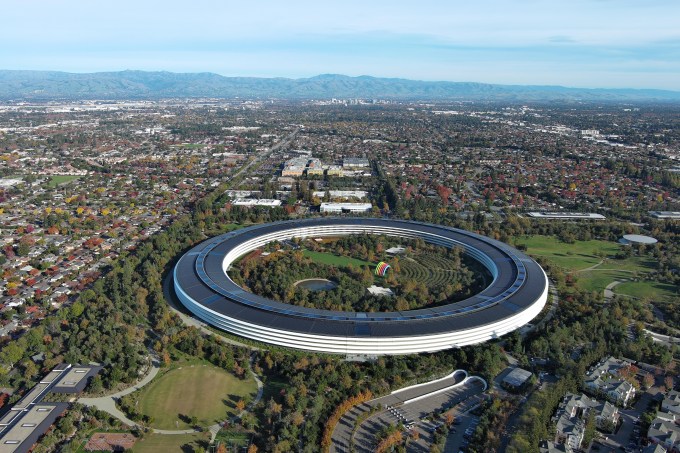
Cook also leaves behind a physical legacy in the form of Apple Park, the company’s 175-acre, 100% renewable energy-powered headquarters. Furthermore, his recent $600 billion U.S. spending commitment underscores a focus on domestic manufacturing and semiconductor supply chains. As the sun sets on the Cook era, the tech world watches closely to see how Ternus will build upon this $4 trillion foundation. For the original report on this transition, visit TechCrunch.