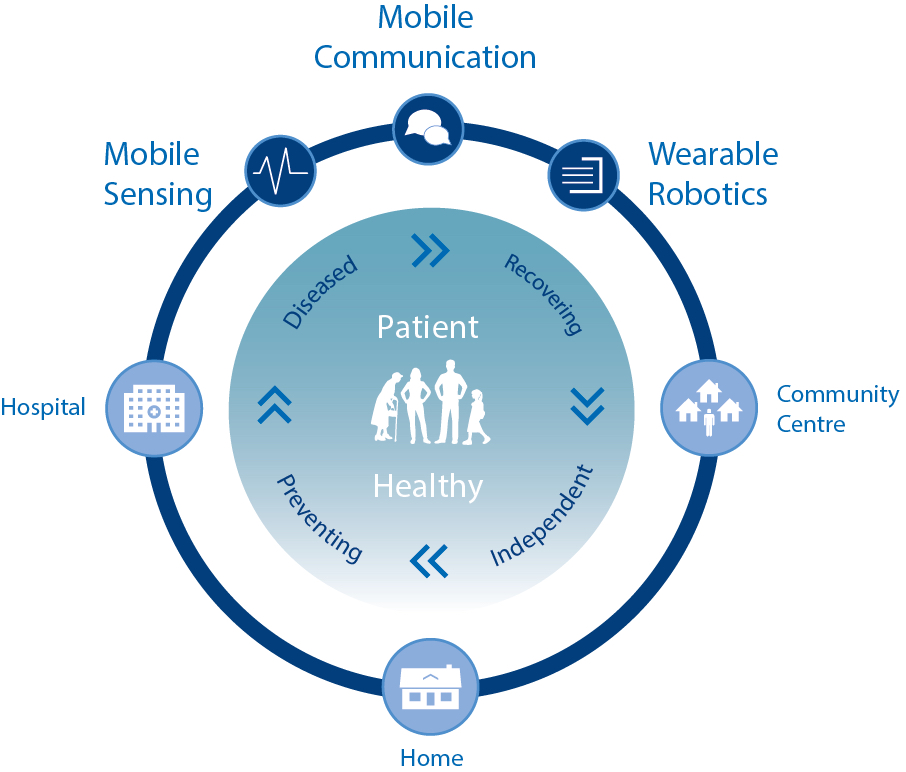
Singapore is taking a significant leap forward in addressing the challenges of an aging population with the launch of its **$37.9 million Future Health Technologies 2 (FHT2) programme**. This ambitious initiative aims to leverage cutting-edge technology, including artificial intelligence and robotics, to enable its citizens to age more healthily and independently. The program, led by the Singapore-ETH Centre, signifies a concerted effort to shift healthcare upstream, focusing on early detection, prevention, and functional recovery within the community.
,”sizeSlug”:”large”,”linkDestination”:”none”} –>
” alt=”AI fracture risk prediction tool Singapore health tech”/>
Pioneering Musculoskeletal Health with AI and Organoids
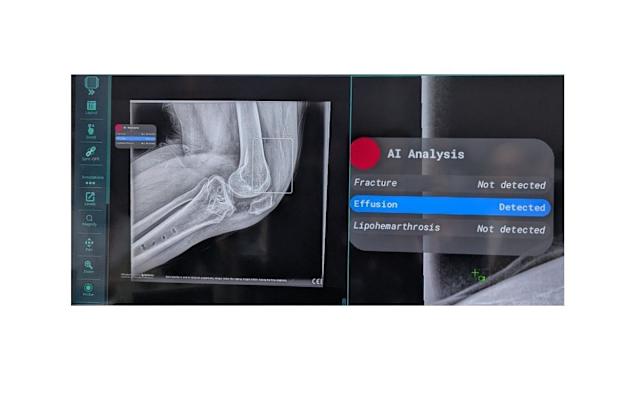
One of the primary focus areas of the FHT2 programme is **musculoskeletal health and mobility**. This is a critical concern, as musculoskeletal conditions are the leading cause of disability worldwide, affecting over 1.7 billion people globally [1]. Under this initiative, researchers are developing innovative solutions such as an artificial intelligence tool capable of predicting fracture risk in mere seconds. Additionally, wearable sensors are being designed to assess fall risks, providing crucial data for preventative measures.
Beyond diagnostics, the programme delves into advanced biological research with the use of **bone organoids**. These lab-grown tissue cultures, derived from stem cells, will be instrumental in predicting drug responses in patients, allowing for optimized fracture prevention strategies for high-risk individuals. This integrated approach, combining AI-driven prediction with personalized biological insights, represents a significant advancement in proactive healthcare for the elderly.
Enhancing Mental Well-being and Rehabilitation through Technology
The FHT2 programme extends its reach to **mental well-being and cognitive health**, recognizing the holistic needs of an aging population. A new platform is under development that will integrate large language models with behavioral science and real-world data. This platform will be used to create personalized applications designed to deliver interventions for anxiety, depression, and stress, particularly among young people. This proactive mental health support aims to build resilience and improve overall cognitive function.
,”sizeSlug”:”large”,”linkDestination”:”none”} –>
” alt=”Singapore health pods teleconsultation booth”/>
Revolutionizing Rehabilitation and Community Care
The third key area of focus is **rehabilitation and recovery**. The programme is exploring the use of technology for upper limb rehabilitation following a stroke, aiming to improve recovery outcomes and enhance the quality of life for stroke survivors. Furthermore, the initiative is bolstering community health services, particularly in northern Singaporean towns like Yishun, Sembawang, and Woodlands, which exhibit a higher prevalence of chronic illnesses [1].
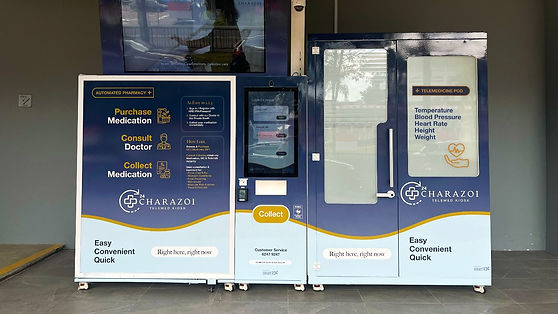
As part of this effort, **”health pods”** are being piloted at community health posts. These dedicated spaces will offer one-on-one consultations with community nurses and provide booths for teleconsultations with dietitians, pharmacists, or nurses. This innovative approach brings healthcare closer to residents, facilitating easier access to professional advice and support.
FHT2 Programme: Key Focus Areas and Innovations
Focus Area
Key Innovations
Expected Impact
Musculoskeletal Health
AI fracture risk prediction, Wearable fall sensors, Bone organoids
Early detection, personalized prevention, optimized treatment strategies
Mental Well-being
Personalized apps with LLMs and behavioral science
Resilience building, support for anxiety, depression, and stress
Rehabilitation & Recovery
Technology for stroke rehabilitation, Health pods for teleconsultations
Improved recovery outcomes, enhanced community access to healthcare
Conclusion
The Future Health Technologies 2 programme represents a comprehensive and forward-thinking strategy by Singapore to harness the power of technology for healthy aging. By focusing on musculoskeletal health, mental well-being, and rehabilitation, and by integrating advanced AI, biological research, and community-based solutions, Singapore is setting a new benchmark for eldercare in the digital age. This initiative not only promises to improve the lives of its aging population but also offers valuable insights for other nations facing similar demographic shifts.