





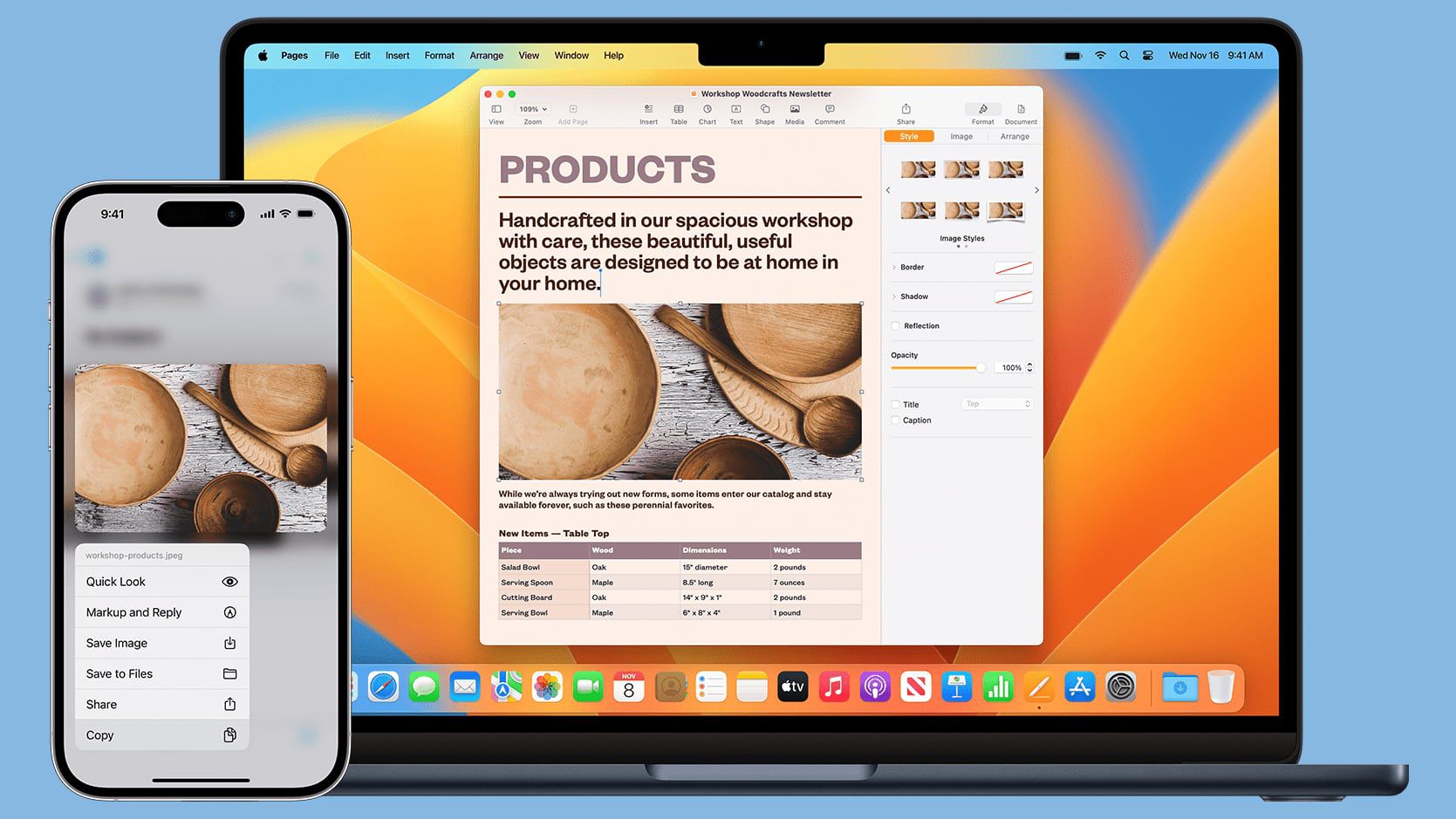
iPhone Windows clipboard sync is now on Apple’s roadmap in the European Union after Microsoft used Apple’s interoperability request process to ask for cross-device copy and paste between iPhones and Windows PCs.
MacRumors reports that Apple began evaluating Microsoft’s request in March and proposed a project plan on June 26. The feature would let users copy text or supported content on an iPhone and paste it on a Windows PC, and potentially do the reverse, without relying on a manual app-by-app transfer flow.
Why Microsoft asked for clipboard access
Microsoft’s request is easy to understand from a productivity perspective. Many iPhone owners use Windows PCs at work or at home. Today, Apple’s Universal Clipboard works smoothly inside its own ecosystem, but the same always-available clipboard experience does not exist between iPhone and Windows.
Microsoft argued that existing iOS clipboard restrictions prevent the kind of continuous synchronization users expect from modern devices. Under normal conditions, an app can read clipboard content only when it is active and the user grants access. That protects privacy, but it also blocks a background clipboard bridge between iPhone and PC.
The proposed iPhone Windows clipboard sync would therefore require a new Apple-controlled path. Apple says the solution would likely use AccessorySetupKit, letting a user grant one-time permission for a paired accessory, such as a Windows PC, to receive pasteboard sharing.
The EU Digital Markets Act is the reason this exists
This feature is not appearing in isolation. Apple created its interoperability request process as part of its response to the EU Digital Markets Act. The DMA forces large platform companies to make certain systems more interoperable when third parties can justify access.
That pressure has already pushed Apple into unusual territory. The company has outlined APIs and changes for third-party wearables, accessory notifications, pairing, and data transfer. Some DMA-driven features have reached users worldwide, while others remain EU-only. Clipboard sync with Windows appears likely to begin as a regional compliance feature.
The distinction is important for users outside Europe. Apple could eventually ship the feature globally if the engineering work is already done and the privacy model is strong. But the company has often limited DMA-specific interoperability changes to the EU when it believes they create new security or platform-control risks.
Privacy will decide how useful it feels
Clipboard data can be sensitive. People copy passwords, addresses, phone numbers, bank details, recovery codes, private messages, and work documents. Apple has spent years tightening clipboard access because invisible clipboard reading became a privacy problem on mobile devices.
That means the user-permission model cannot be a small detail. If users must approve every paste, the feature may feel too slow to matter. If approval is too broad, users may worry that a Windows PC or companion app can silently inspect copied material. Apple’s challenge is to create a flow that feels continuous while still making the trust boundary clear.
AccessorySetupKit could help by treating the PC as a paired accessory rather than a random app. That would let Apple define pairing, consent, and revocation in one place. Users would need to know which device is paired, what kind of clipboard data can move, and how to turn the permission off.
When users may actually get it
Apple says the work is significant and is expected to be complete by fall 2027. The company plans to ship it first in a developer beta for testing before any public release. If that schedule holds, ordinary users may not see the feature until late 2027 or early 2028.
That long timeline shows how complex interoperability can become once privacy, security, and background access are involved. It is not just a copy-and-paste button. It is a system-level bridge between two major computing platforms with different permission models.
It also gives Microsoft and developers time to prepare companion software that can use the permission properly. A half-finished implementation would create support problems quickly, especially in business environments where clipboard movement may involve confidential data.
For iPhone owners who use Windows, iPhone Windows clipboard sync could remove a daily annoyance. For Apple, it is another example of EU regulation pushing the company to open parts of iOS that were previously reserved for the Apple ecosystem. The result may be useful, but the final design will determine whether it feels like real interoperability or a compliance feature with limits.
Source: MacRumors