


Summary
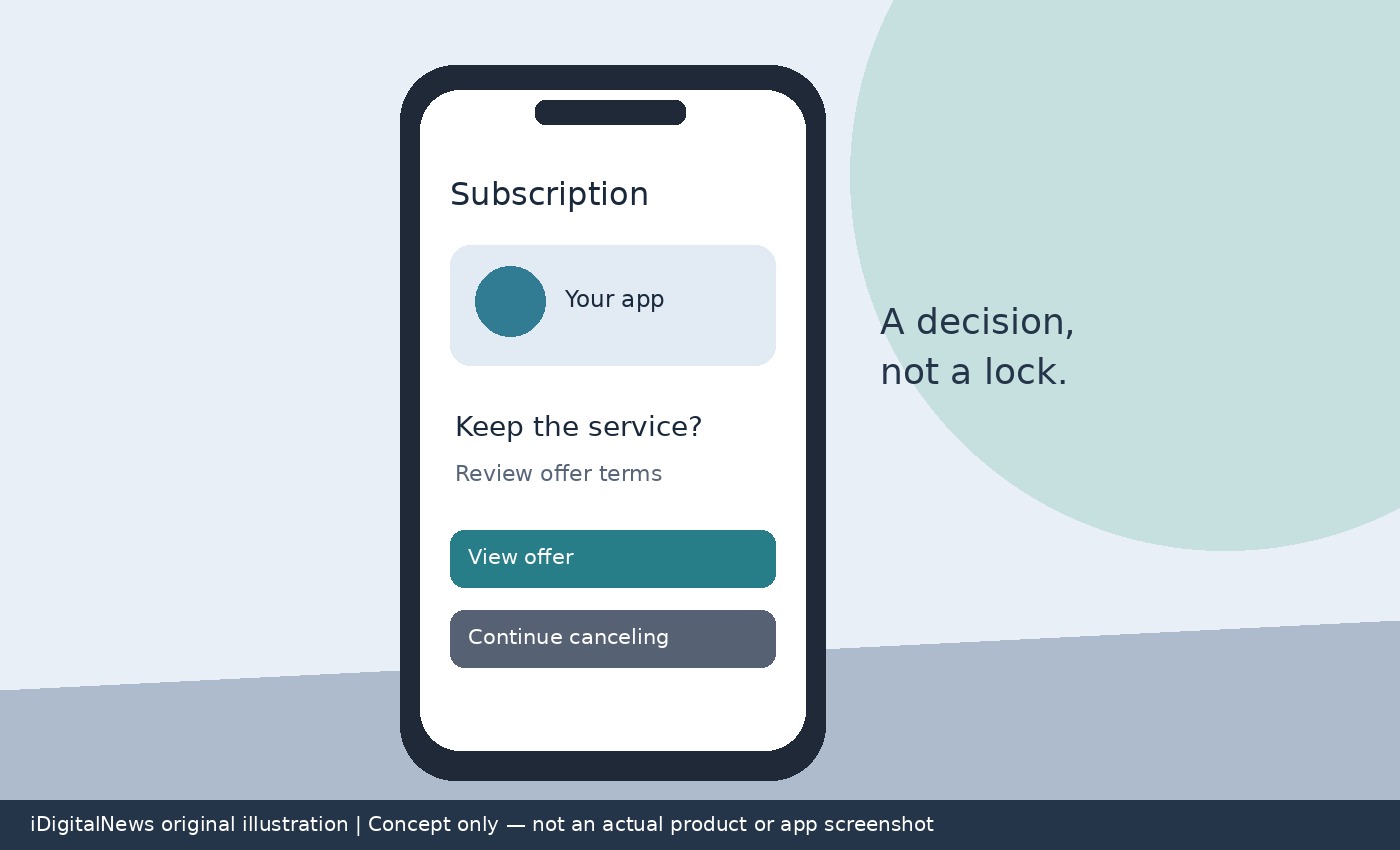
App Store subscription retention messages give developers a new opportunity to persuade customers to stay when they start canceling an auto-renewable subscription. Apple announced the feature on November 4, saying that messages can contain text, images or a special offer. For subscribers, the practical change is straightforward: the cancellation journey may now include an additional pitch before they leave. That is not the same as Apple announcing that customers can no longer cancel. The announcement describes a retention feature within the cancellation flow, not a replacement for subscription management.
What Apple has actually announced
Apple’s developer announcement identifies two ways to use the feature. Developers can configure retention messages in App Store Connect for auto-renewable subscriptions. They can also request access to a separate Retention Messaging API that chooses which message to show using a subscriber’s subscription details. The distinction matters because the basic configuration and the more programmable approach are not presented as identical tools. Apple explicitly says API access is available by request. Its short announcement does not say that every app has already implemented messages, or that every subscriber will see the same screen. MacRumors independently reported the rollout and the same core capabilities. Neither source provides a basis for treating a retention discount as a universal entitlement.
How eligibility and timing affect the experience
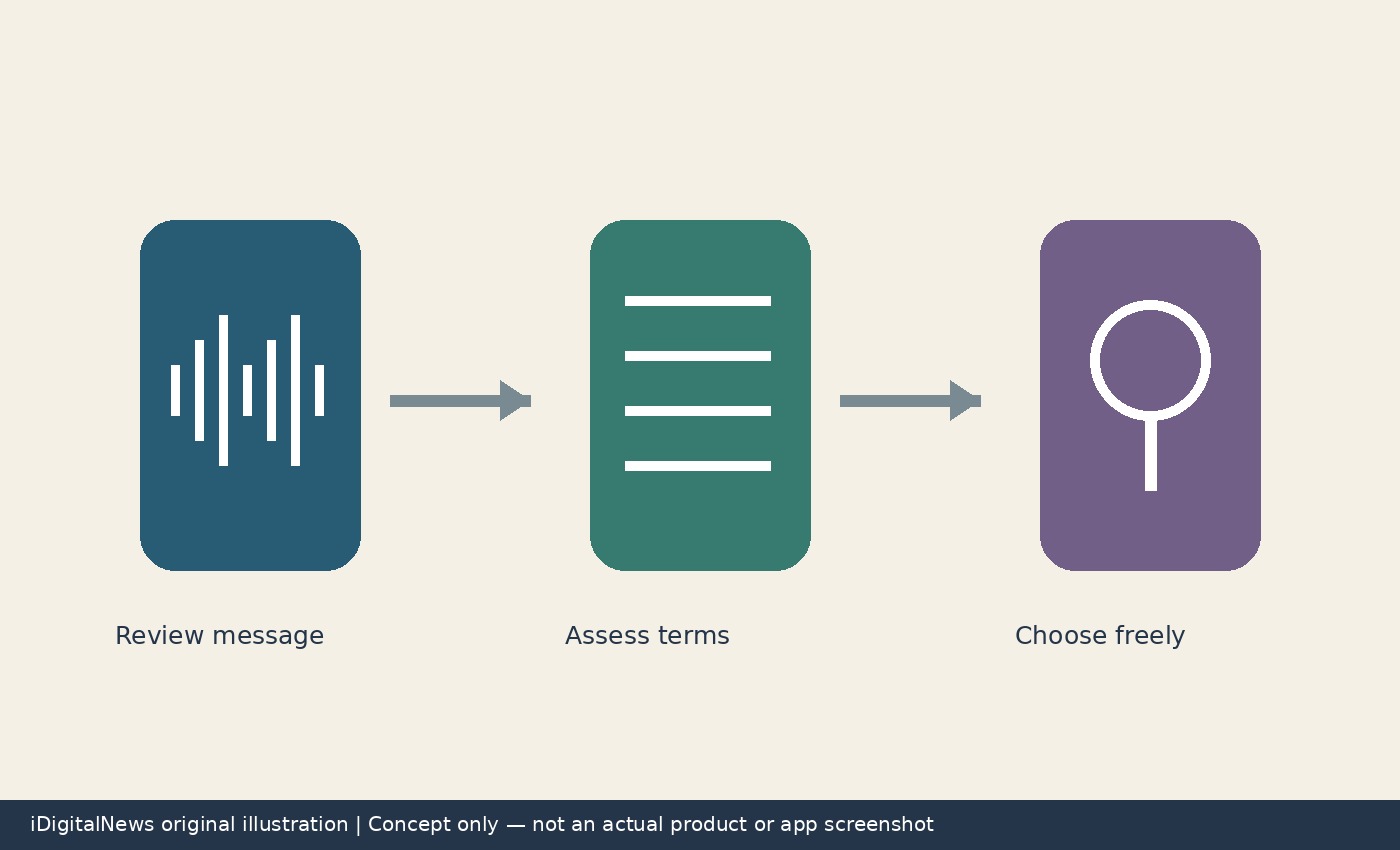
App Store Connect gives developers controls over subscriber eligibility and the wait time between messages. Those controls mean that retention messaging is not simply one permanent promotion shown to everyone. A developer can decide which subscribers qualify and how frequently messages should recur within the supported settings. Apple’s announcement does not enumerate every eligibility rule or timing limit, so precise claims about those limits would go beyond the evidence. The API adds another layer: a developer can select a message based on subscription details. That confirms subscription-aware selection, but it does not establish access to arbitrary personal information. Developers assessing the feature should check the current implementation documentation rather than assuming that the brief announcement is a complete technical specification.
What subscribers should check before accepting an offer
A discount can be useful if someone still wants the service and price is the main reason for leaving. It is less useful if the subscription is no longer needed. Before accepting any retention offer, check its duration, the amount charged during that period and the renewal price afterward. Those are general purchasing checks, not terms Apple has promised for every message. Also distinguish an offer from a message that merely lists features or reminds a customer of the subscription’s value. Apple allows text and images as well as special offers; a retention screen need not contain a lower price. The sensible approach is to evaluate the actual terms shown rather than infer savings from the appearance of a cancellation-time promotion.
What the feature does not establish
The announcement does not identify a new subscription price, a mandatory discount or a new cancellation deadline. It also does not say that all subscription apps now have retention messages enabled. Those omissions matter when interpreting headlines suggesting that apps can stop customers from canceling. Persuasion and prevention are different things. The confirmed change is an opportunity to communicate during cancellation. Any claim about a particular app making cancellation impossible would require evidence from that app’s actual behavior. Likewise, the announcement alone cannot establish whether retention messaging improves customer satisfaction, reduces cancellations by a particular percentage or increases subscription revenue. Those are outcomes that developers would need to measure.
A practical implementation checklist for developers
For developers, the first decision is whether a configured message in App Store Connect meets the use case or whether subscription-aware API selection is necessary. The latter requires requesting access. Next, decide what a departing subscriber genuinely needs to know. A clear explanation of a relevant benefit or a plainly described offer is more useful than a generic plea to stay. Teams should review eligibility, message spacing and the wording of any offer together, because a technically valid message can still confuse customers if price or renewal terms are unclear. They should also test the cancellation journey as a whole, including what happens when a customer declines the message. These are editorial implementation recommendations, not additional features claimed in Apple’s announcement. The central takeaway is that Apple has expanded developers’ retention toolkit while the value of each individual offer remains something the subscriber must assess.
Sources: Apple Developer, MacRumors. Related: technology companies coverage.