


Summary
A Nothing screenless AI product is scheduled to ship in December, according to CEO Carl Pei’s new essay on X. Pei describes it as the company’s first AI-native product and a tool that could not have been an app. That is a meaningful hardware signal, but not a full product announcement: the post does not reveal a product name, price or specification sheet. The clearest way to understand the teaser is to separate Pei’s confirmed statements from the form-factor speculation that follows them.
What the Nothing screenless AI product announcement says
Near the end of his essay, titled Toolmakers, Pei writes that Nothing’s first AI-native product ships next month. His wording is that it has ‘no new screen’ and ‘couldn’t have been an app.’ 9to5Google’s November 4 report places that shipping window in December and characterizes the device as screenless. Pei also describes it as a tool built with Nothing’s design personality. These statements support a planned hardware introduction focused on useful work. They do not establish a display size, sensor list, supported languages or a particular category such as glasses, a pendant or a voice recorder. Shipping plans are also company plans, rather than proof that delivery has already begun.
Why Pei is talking about context rather than another chatbot
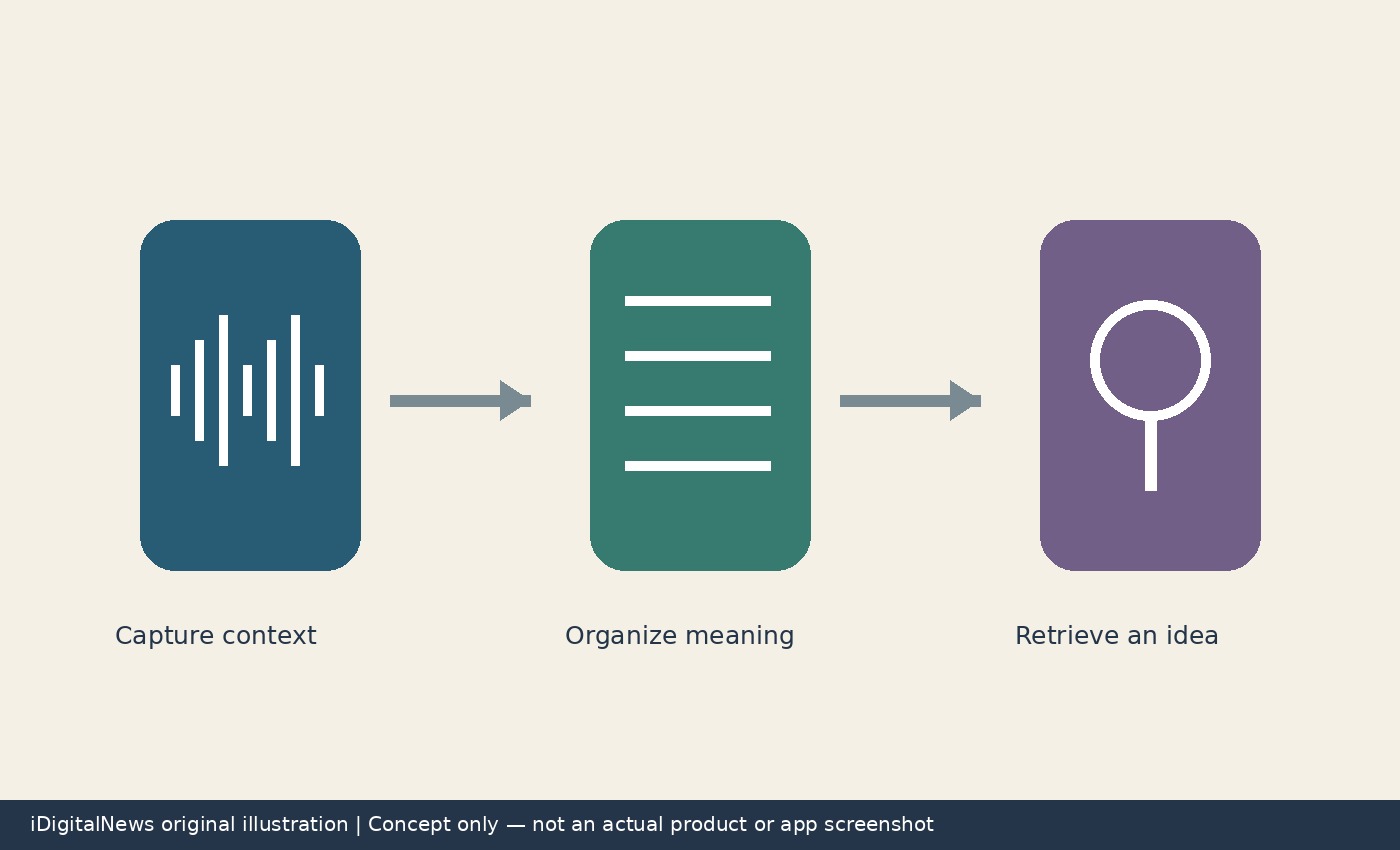
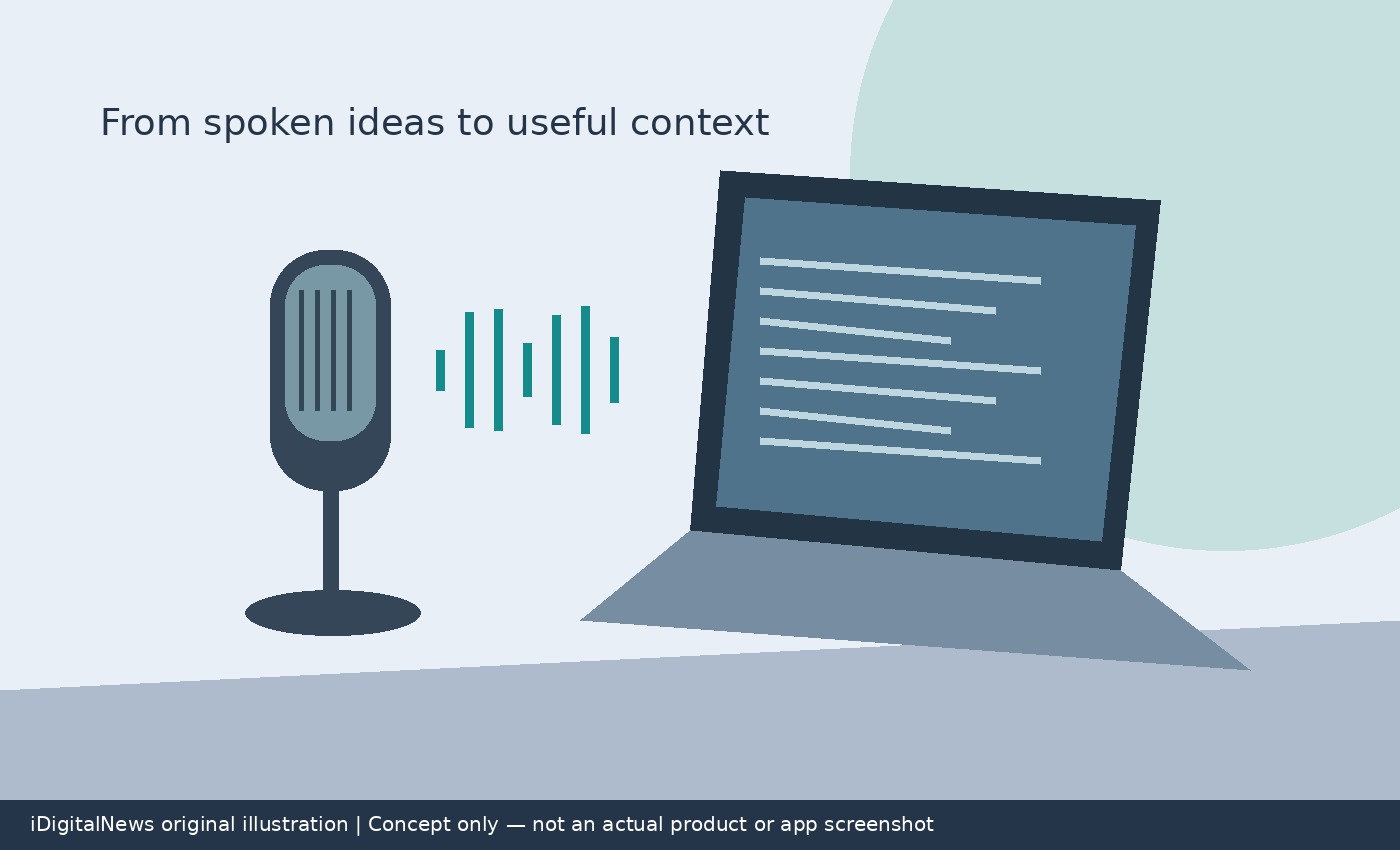
The essay argues that AI’s strongest near-term fit is productivity. Pei’s central complaint is that even capable models know little about the user’s daily working context unless someone supplies it. He gives examples of connecting inboxes and calendars, sharing work conversations and explaining background information. He also points to useful ideas spoken in ordinary conversations that never get captured at all. That framing helps explain why Nothing wants a physical tool rather than simply another chat interface. It is a statement of product direction, however, not technical confirmation of exactly what the device records or how it processes information. Nothing has not disclosed those details in the announcement examined here.
A recorder is a theory, not a confirmed specification
9to5Google suggests the language could point toward an ambient recorder, particularly because Pei discusses spoken ideas and a missing context layer. That interpretation is plausible, but the article itself acknowledges that the product’s identity is unclear. Readers should not turn that inference into a purchase assumption. A tool that helps capture context might take several forms, and Pei has not provided enough information to distinguish them. The same limitation applies to claims about always-on microphones, cloud storage, offline processing or integration with specific AI services. None of those capabilities can be verified from this teaser. The illustrations accompanying this article show the general context-capture concept; they are not leaked designs or depictions of a confirmed Nothing device.
The questions that will determine whether the hardware matters
When Nothing reveals the product, the useful comparison will be with the workflow it replaces. Does a dedicated object capture something a phone app misses? How quickly can users retrieve a useful result? What happens when connectivity is unavailable? If it captures conversations, buyers will also need clear information about consent, retention, deletion and who can access the material. Those are evaluation questions, not allegations about an unreleased product. Price and any recurring service cost will matter as much as industrial design. For now, the defensible conclusion is narrow: Nothing is promising an AI-native work tool for December, and Pei’s essay explains the productivity thesis behind it. The product’s actual usefulness remains to be demonstrated.
Sources: Carl Pei on X, 9to5Google. Related: technology companies coverage.